

Bougainvillea Mites: 100% Pure Neem Oil as Organic Standard
Why Neem? Alters leaf taste → mites leave. Doesnt wash off (absorbs into cuticle). Fungicide + miticide + insecticide. Preserves predatory mites, lady beetles. Critical: Read Labels Many retail neem oils contain clari

Repotting Indoor Meyer Lemon: Soil, Fertilizer, and Drainage Essentials
When to Repot One-gallon nursery pot → dozen lemons = definitely root-bound. Repot now. Soil Mix High-quality potting mix (peat/coir based). Add 20% orchid bark or perlite for aeration. Optional: 10% worm castings for
Potted Magnolia in Bahamas: Transplant Shock, Water, or Seasonal Drop?
Three Scenarios CauseCluesAction Transplant shockRecent repotting; roots disturbedWater consistently; no fertilizer 4–6 weeks UnderwateringDaily watering needed in FL/Bahamas sun; pot dries fastCheck daily; water when t
Meyer Lemon Sticky Leaves: Aphids/Thrips Honeydew, Neem Solution
Diagnosis Sticky leaves + brown hollow structures on leaf undersides = aphids or thrips. They suck sap, excrete honeydew (sticky varnish). Hollow things = shed skins or parasitized mummies. Why Soapy Water Failed Contac
Old Lemon Tree with Borers and Ants: Rough Lemon Rootstock Issues
Rootstock Reality Rootstock grew but not the graft = rough lemon (Citrus jambhiri)—common rootstock 20+ years ago. Its vigorous, thorny, and produces seedy fruit. Lifespan varies; 20 years is mature. Borer + Ant Complex
Winter Lemon Tree Leaf Drop: Underwatering in Bloom
Why Now? Blooming increases water demand dramatically. Indoor winter conditions (low humidity, heated air) accelerate transpiration. If watering hasnt increased, the tree aborts leaves to save flowers/fruit. Immediate A
Braided Money Tree: Overwatering, Poor Drainage, and Fungus Gnats
Root Cause: Water Management Ceramic pots without drainage holes + rocks at bottom = perched water table. Roots sit in saturation → rot → white mold (saprophytic fungi) + black stem lesions + fungus gnats (breed in wet s
Gardenia Winter Leaf Drop: Cold Shock vs. Overwatering
Two Distinct Issues SymptomCauseFix Yellow leaves after cold nightNatural seasonal leaf drop (cold-induced)Normal; makes room for spring growth Black leaves indoorsOverwatering (roots rotting)Water only when dry 1 knuck
Norfolk Island Pine Black Spot: Prune, Fungicide, Fertilize
Diagnosis Drying needles + black spots on affected branches = pine needle blight or brown spot fungus (Mycosphaerella spp.). Common on indoor Norfolk pines in low light, high humidity. Treatment Plan Prune dead branche
Gardenia Branch Dieback: Nematode Suspect and Neem Drench Trial
Progressive Branch Death = Root Problem One branch at a time withering, browning, dying = vascular wilt from root failure. On gardenia, two main causes: CauseCluesTest Root-knot nematodesSwollen root galls; plants from
Beach Sunflower Sudden Decline: Whitefly Outbreak Management
Diagnosis Brown/gray moldy leaves + stems + tiny flying insects = whitefly infestation with sooty mold. Whiteflies suck sap → honeydew → black mold. Populations explode in hot, dry weather. Organic Control: Neem Oil Sp
Mini Roses Indoors: Powdery Mildew Requires Light, Air, and Fungicide
Why They Failed Inside Roses need 6+ hours direct sun, good airflow, and low humidity. Indoors, they get weak light, stagnant air, and high humidity → perfect for powdery mildew. Rescue Plan Fungicide: Spray wettable s
Jasmine Salt-Like Crystals: Underwatering + Pest Complex
Decoding the Symptoms Dry, falling leaves: Underwatering (yellow leaves = dry; black = wet). Salt at leaf junctions: Likely mealybugs (white, waxy) or scale (bumpy), not mineral deposits. Post-move stress: Root disturba
Indoor Jasmine: Spider Mites, Dry Air, and Heat Vent Stress
Three Problems in One Spider mites: Spidery webs on buds/leaves. Suck chlorophyll → stippling, leaf drop. Heat vent: Hot, dry air desiccates foliage. Low humidity: Winter indoors = 20–30% RH; jasmine needs 50%+. Rescu
Scale Insects: Identification, Neem Oil, and Coffee Grounds Strategy
What Scale Looks Like Small, immobile bumps on stems/leaves—no visible legs/antennae. Colors: white, brown, black. Under waxy cover, they suck sap via threadlike mouthparts 6–8× their body length. Damage Yellowing, stu
Grevillea Dieback: Root Rot Management in Affected Beds
Diagnosis: Phytophthora Root Rot Multiple genera dying in proximity = soil-borne root pathogen, likely Phytophthora (cinnamon fungus) in Australian natives. Symptoms: sudden wilt, death, no foliar pathogens visible. Imm
Paperwhite Bulbs: Black Streaks and Flopping—Light or Bacteria?
Two Likely Causes CauseSymptomsFix Etiolation (low light)Leaves 18–22 tall, weak, bend at points, black streaks at bendsMove to brighter location (cool, sunny window); stake if needed Bacterial leaf streakWater-soaked s
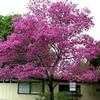
Pink Chitalpa Winter Damage in Nevada: Assessing Survival
Good Sign: Green Cambium Green tissue under scratched bark = living vascular tissue. This is the single best indicator of survival. Why It Struggled Summer pruning:1/3 canopy in heat stresses any tree. Late pruning: St
Pecan Phylloxera: Timing Sprays for Gall Prevention
Pest Biology Pecan phylloxera (Phylloxera devastatrix)—tiny aphid-like insects—overwinter as eggs in dead females on branches. In spring, they hatch and feed on new growth, inducing hollow galls on leaves and stems. Seve
Robellini Palm Cold Damage in Frost-Prone Areas: Consider Hardier Alternatives
Why Its Struggling Phoenix roebelenii (pygmy date/robellini) tolerates ~28°F for 4 hours max. Your description—black mold coating, gray spots, winter browning, recurring annually—confirms chronic cold damage. The mold is
Copyright © www.100flowers.win Botanic Garden All Rights Reserved