
Troubleshooting Leaf Curl and Scorch on Young Crape Myrtles
Assessing the Damage Two-year-old white crape myrtles on the Outer Banks show curling, dry brown leaf margins despite no visible insects or mildew. A dry spring and unusual February cold may have stressed the trees, but

Diagnosing Patchy Dieback in Established Vinca Minor Groundcover
Investigating Root Causes Well-established vinca minor dying in irregular patches across sun and shade suggests root system disruption. Common culprits include root-feeding mammals (voles, moles) and fungal root rots, pa
Resolving White Fungal Growth on Pine Trees Caused by Overwatering
Cause and Effect A small potted pine on a balcony developed a white film on its bark after being watered every other day. Excessive moisture creates ideal conditions for superficial fungal growth, while also leaching nut
Identifying and Treating Sucking Insects on Meyer Lemon Trees
Recognizing the Problem Sticky honeydew on leaves and floors, accompanied by ants, indicates an infestation of sap-feeding insects such as aphids, whiteflies, scale, or mealybugs. Ants often farm these pests for their sw
Diagnosing Brown Spots and Yellowing Leaves on Chitalpa in Alkaline Soil
Symptom Analysis A newly planted chitalpa in New Mexico developed brown spots and chlorosis (yellowing leaves) within a month. The gardens highly alkaline soil is the likely culprit, as high pH locks up essential micronu
Managing Webworm Infestations in Mature Fruitless Mulberry Trees
Understanding the Webworm Outbreak A 45-year-old fruitless mulberry tree in Dallas is experiencing a severe infestation of fall webworms. While the tree has historically tolerated minor yearly outbreaks, this season the
Tea Scale on Burford Holly: Use Permethrin Now, Fertilize for Recovery
Tea scale on Burford holly in June (Virginia) not controlled by March spray. Use permethrin (Ortho Bug B Gon) now for active crawlers, plus 20-10-10 fertilizer to push new growth. Why Permethrin? Contact killer effectiv
Sunset Maple Sudden Death: Termites, Carpenter Ants, Spider Mites
Three-year-old sunset maples suddenly shriveling with reddish leaves were found to have termites, carpenter ants, and spider mites in decaying wood—not a primary disease. What This Means Insects invaded already-stresse
Weeping Cherry Branch Dieback: Check Scale, Planting Depth, and Roots
One of two weeping cherries dying back with sap on trunk: check for scale (white spots on bark/leaves), then planting depth and girdling roots. Diagnosis Steps Inspect trunk and leaf undersides for scale insects. Check
Aspen Tree Sticky Leaves and White Eggs: Cottony Scale Infestation
Tiny white eggs on aspen leaves with sticky honeydew below = cottony scale. The eggs are crawlers; adults are under cottony sacs on stems. Treatment Spray horticultural oil (suffocates insects). Retreat in 4 weeks. Ava
Maple Tree Black Ooze: Slime Flux (Wetwood)—A Mixed Blessing
Bitter, black ooze from a maple in Alabama is slime flux—fermented sap from bacterial wetwood. Bacteria enter a wound, create conditions that inhibit decay fungi, then produce gas that forces liquid out. What It Means
White Spots on Honeysuckle: Likely Leaf Spot Fungus
Dime-sized white spots on honeysuckle leaves that don’t wash off are likely a leaf spot fungus—not spores or bird droppings. Assessment If <30% leaf coverage: cosmetic, no action needed. If spreading: spray Daconil or
Maple Bladder Gall: No Cure Once Formed, But Tree Is Fine
Red blotches and drying under gall-covered maple leaves are part of the gall lifecycle. Once galls form, the mite inside is protected—sprays won’t reach it. Key Facts Galls don’t seriously affect tree health. Some leav
Live Oak Stump Sprouts: Kill with Roundup on New Growth
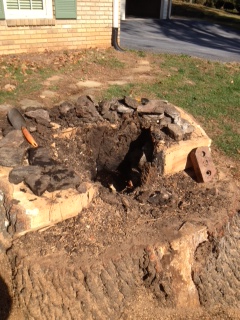
After live oak removal, sprouts from the stump can be stopped by letting them grow 6 inches, then spraying foliage with Roundup (glyphosate). Method Wait for 6 inches of leafy growth. Spray Roundup on calm day—avoid dr
Locust Tree New Growth Wilt: Locust Leafminer Outbreak
Wilted, stripped new growth on a thornless locust (likely black locust) is locust leafminer—adults skeletonize leaves, larvae mine inside them. Lifecycle Adults overwinter in bark, emerge at leaf-out. Eggs on leaf unde
Bagworms on Arborvitae: Identify, Remove, and Spray Early
Cone-shaped bags with moving worms on browning arborvitae are bagworms. They strip foliage and can kill the tree if unchecked. Lifecycle Eggs overwinter in last year’s bags. Hatch mid-late May → tiny larvae build “ice
Red Balls on Maple Leaves: Eriophyid Mite Galls, Not Disease
Tiny raised red balls on Autumn Blaze maple leaves are galls caused by eriophyid mites—microscopic relatives of spiders. They’re unsightly but don’t harm tree health. What They Are Mites inject growth-regulating chemic
Red Spiky Growth on Weeping Willow: Lichen or Decay Fungus?
Red, spiky, quarter-sized patches on a weeping willow are likely lichen “fruiting” (colorful during reproduction) or a decay fungus fruiting body. How to Tell Lichen: Bark underneath is solid. Harmless. Colors intensif
Scale on Weeping Willow: Baking Soda Won’t Work—Use Proper Insecticide
Baking soda and Ironite won’t control scale on a weeping willow. Scale insects require targeted insecticides applied at the right life stage. Effective Treatments Dormant season: Horticultural oil on bare branches. Spr
Japanese Maple Leaf Scorch: Heat, Wind, and Root Moisture
Brown, upward-curling leaf margins on a Japanese maple in full sun in Michigan is classic leaf scorch—roots can’t supply water fast enough during hot, dry, windy periods. Why This Year Is Worse Earlier, more severe scor
Copyright © www.100flowers.win Botanic Garden All Rights Reserved