
Taking Cuttings from a Large Split-Leaf Philodendron
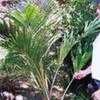
Wait for Spring Growth Cuttings root best from fresh, tender spring growth. Wait until the plant produces new shoots after winter. Cutting Procedure Select a 6+ inch tender shoot; avoid woody stems. Remove lower leaves

Propagating Antique Roses from Cuttings in Central Texas
Timing and Method Rose cuttings can be taken any time, but rooting takes 6+ months. In Central Texas, start cuttings indoors now for spring planting. Step-by-Step Cut a 6+ inch tender shoot (avoid woody stems). Remove
Planting Bare-Root Daylilies in Fall: Soil Prep and Overwintering
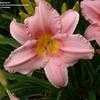
Fall Is Ideal for Transplanting Daylilies are hardy and transplant well in fall, giving roots time to establish before spring bloom. In North Floridas mild climate, theyll settle in easily. Soil Preparation Use organic
Starting Clematis from Seed: Challenges and Best Practices
Hybrid Seeds Wont Come True Most garden clematis are hybrids. Seeds from hybrids produce variable offspring with different colors, forms, and habits. For predictable results, buy seed from a reputable source or propagate
Winter Care for Hibiscus in Cold Climates: Tropical vs. Hardy Types
Identify Your Hibiscus Tropical hibiscus (glossy leaves, flowers in yellow, red, pink, white) are not hardy in Michigan. They must be grown in pots and brought indoors before frost. Keep in a bright window, water sparing
Follow-Up: Treating Aphids or Spider Mites on Trumpet Plants
Choosing Between Dormant Oil and Summer Oil Both dormant spray and summer oil spray can control aphids and spider mites. Summer oil is generally safer for beneficial insects and less toxic overall, though it can irritate
When to Transfer an Avocado Pit from Water to Soil
Timing the Transfer As soon as a root emerges from the bottom of the pit, its ready to be planted in soil. Dont wait for the root to grow long—early transplanting reduces shock. Planting Procedure Use a pot with moist (
Caring for a Young Avocado Seedling: Potting, Light, and Winter Protection
Potting the Sprouted Seed Once the avocado seed has roots and a sprout (about 2 inches tall), plant it gently in a rich, moist (not soggy) potting mix so the sprout is just above the soil line. Keep the soil evenly moist
Harvesting and Germinating Magnolia Seeds from Seed Pods
Seed Identification The bright red structures on a magnolia seed pod are the actual seeds. They detach easily when the pod dries slightly, without damaging the pod. Breaking Dormancy Magnolia seeds require a cold period
Propagating Dogwood Trees from Seed: A Complete Guide
Seed Collection and Preparation Collect bright red dogwood seeds in fall. They require cold stratification to break dormancy. Two methods work: Outdoor: Plant seeds 1 inch deep in pots of moist potting soil. Leave outsi
How Deep to Plant Poppy Seeds for Best Results
Sowing Depth and Timing Most poppy seeds are tiny and should be surface-sown or barely covered—no deeper than twice their diameter. In many climates, fall sowing (broadcast over prepared soil) yields spring blooms. Some
Propagating Elijah Blue Fescue: Division vs. Seed
Seed Is Unreliable Elijah Blue fescue (Festuca glauca Elijah Blue) is a hybrid cultivar. Seeds rarely come true to type, producing plants that differ in color and habit. The most reliable propagation method is division.
Will Trumpet Plants Survive Winter in Zone 8? Care Tips for Perennials
Hardiness and Winter Behavior Trumpet plants (likely Campsis or Brugmansia) are perennials hardy south of Zone 5, so they should survive Northeast Texas winters (Zone 8). Like most perennials, they die back to the ground
Planting Persimmon Seeds: Cold Stratification and Seedling Care
Stratification Is Essential Persimmon seeds require an extended cold period to break dormancy. After cleaning, store seeds in the refrigerator (not freezer) for at least 90 days in a sealed plastic bag with moist potting
What Trees Produce Peat Moss? Understanding Peat Formation
Peat Moss Origins Peat moss is not derived from a single tree species. It is partially decomposed vegetative matter—including coniferous and deciduous trees, leaves, needles, mosses, and other plants—that accumulates in
Gardening in Montana: Improving Sandy, Rocky Soil for a Short Season
Start with Soil Improvement Poor soil is the root cause of most garden failures. In Montanas sandy, rocky terrain with a short growing season, building fertile soil is essential. Amend generously with organic matter: com
Growing Hippeastrum (Amaryllis) from Seed: A Step-by-Step Guide
Seed Freshness and Pollination Hippeastrum seeds must be very fresh to germinate well. Since they often bloom in winter when natural pollinators are absent, hand-pollination using a small paintbrush is common. Be aware t
Storing and Germinating Peach Seeds Successfully
Can You Vacuum-Seal Peach Seeds for Long-Term Storage? Storing a fresh peach seed in a vacuum-sealed container for several months is not recommended. Peach seeds require a period of cold stratification to break dormancy,
How to Plant and Water Avocado Seeds for Successful Growth
Planting Avocado Seeds Directly in Soil Growing an avocado tree from seed is a rewarding project, but it requires patience and the right conditions. When planting the seed directly in soil, orientation matters: place the
Growing Avocado in Pakistan: Grafted Trees vs. Seed Propagation
Saeed in Pakistan wants to introduce avocado cultivation but has struggled with seed-grown trees. The reality: avocados from seed rarely succeed and take 7–10+ years to fruit—if ever. Here are the proven alternatives. B
Copyright © www.100flowers.win Botanic Garden All Rights Reserved