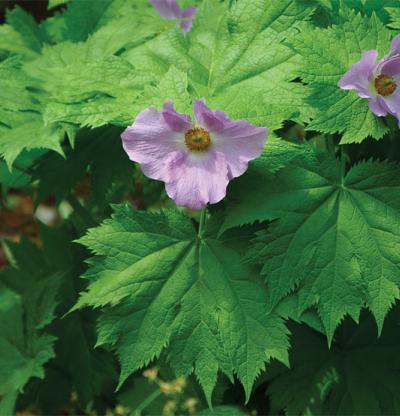

Planting and Caring for Snowball Bush (Viburnum opulus)
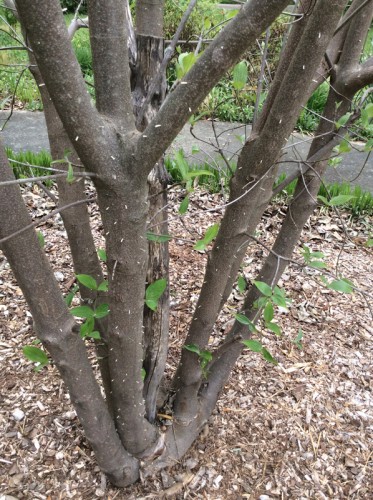
Snowball bush thrives in full sun to part shade with moist, well-drained soil. It can be planted any time the ground is workable, but spring or fall is ideal. Site Selection Choose a spot with room for its large matu

Growing Carnations from Cuttings: Pinching, Feeding, and Hardening Off
Carnations (Dianthus caryophyllus) rooted from cuttings benefit from light pinching to encourage branching, but over-pinching stunts growth. A node is where a leaf meets the stem; pinch just above a node to stimulate lat
Propagating Apple Trees from Cuttings: A Follow-Up Guide
Apple cuttings can be taken from any healthy branch. The key is using tender, semi-hardwood shoots at least 6 inches long, stripping lower leaves, applying rooting hormone, and rooting under humid conditions with 12 hour
Propagating Creeping Juniper from Cuttings
Creeping juniper (Juniperus horizontalis and cultivars) roots readily from semi-hardwood cuttings taken in late summer to early fall. Cutting Protocol Take 8-inch cuttings from healthy, current-season growth. Strip
Growing Plants in Pebbles: What Works and What Doesn’t
Pebbles alone are a poor growing medium for most terrestrial plants because they retain little moisture and provide no nutrients. Radishes, being root crops, will not develop properly in pebbles. Suitable Plants for Peb
Sebastiana pavoniana (Mexican Jumping Bean Shrub): Toxicity and Sourcing
The shrub Sebastiana pavoniana, host of the Mexican jumping bean moth, belongs to the Euphorbia family. Like many euphorbias, it exudes a milky, toxic sap when cut. Toxicity Concerns The sap can cause skin irritation
Growing Lychee from Seed: What to Expect
Lychee (Litchi chinensis) seeds germinate readily if planted fresh, but the resulting trees take many years to fruit and rarely produce quality fruit comparable to the parent. Germination Steps Obtain fresh lychee fr
Rescuing a Damaged Philodendron: Division and Water Rooting
A large, truck-damaged philodendron with multiple stems and a massive root ball can be salvaged by dividing the clump and rooting any stem pieces that lack sufficient roots. Division Steps Gently pull or cut the root
Saving a Heirloom Pear Tree: Grafting and Cuttings
When a beloved old pear tree must be left behind, you can preserve its genetics by grafting scions onto a compatible rootstock or by rooting hardwood cuttings. Grafting is more reliable for fruit trees, but both methods
Propagating Honeysuckle by Layering: A Simple Method
Honeysuckle vines (Lonicera spp.) are easily multiplied by simple layering—a technique that encourages roots to form on a stem while it’s still attached to the parent plant. Step-by-Step Layering Select a long, flexi
Using Grass Clippings as Mulch: Will They Introduce Weeds?
Grass clippings make excellent mulch, but many gardeners worry about seed heads in the clippings sprouting into weeds. The risk is generally low. Why Grass Seeds Rarely Become a Problem Most seed heads in freshly cut
Starting Avocado Seeds in Soil: A Simple Guide
Avocado seeds can be germinated directly in potting soil, bypassing the classic toothpick-and-water method. This approach often yields stronger, more transplant-ready seedlings. Steps for Soil Germination Use a fresh
Growing Pineapple from Seed: Challenges and Methods
Pineapples (Ananas comosus) are almost always propagated vegetatively—by planting the crown, slips, or suckers—because seed germination is slow, unreliable, and produces variable offspring. Commercial growers use seeds o
Venus Flytrap Tissue Culture: Hormone Ratios for Root and Shoot Formation
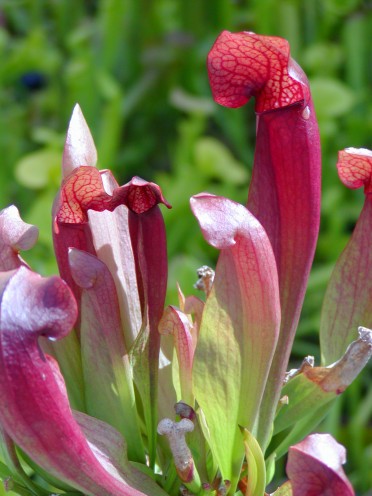
Tissue culture of Venus flytraps (Dionaea muscipula) requires precise concentrations of auxins and cytokinins to direct organogenesis. While general protocols exist, optimal hormone ratios vary by cultivar and laboratory
How to Propagate Redwood Trees from Burls
Redwood burls—those knobby, tumor-like growths on the trunks of coast redwoods—can sprout into dozens of tiny trees when placed in water. If you’ve brought a burl home from a place like Muir Woods and watched it send up
Starting Grape Vines from Roots and Cuttings
Bill wants new vines from an existing plant. Two easy methods: Root Division Dig a section with a golf-ball-sized root clump minimum. Replant immediately at same depth; water well. Hardwood Cuttings (Late Winter) Ta
Ginseng Failure in Israel: Climate Mismatch (Needs Cold Dormancy)
Cohen in Israel loses ginseng seedlings each spring. Cause: insufficient winter chill. Ginseng (Panax spp.) is a deciduous perennial requiring freezing winter dormancy (90+ days below 40°F). It sprouts in spring, grows
Cherry Seed Germination: Fridge Stratification Method
David wants to save and germinate favorite cherry seeds. Protocol: Plant seed as deep as its width in damp potting mix. Seal pot in plastic bag; refrigerate 60+ days (40°F, not below 25°F). Remove; place in sunny windo
Coleus, Portulaca, and Purslane: Seeds, Cuttings, and Self-Sowing
Kristin asks about coleus seeds, portulaca/purslane cuttings. Coleus Wont self-sow in cold climates—seeds die. Cuttings root in days in water. Overwinter as houseplant in sunny window; take cuttings in spring for outdo
Starting a 150-Acre Food Forest from Seed: Reality Check
Ray in Camden, NY (50 years old) wants to plant fruit, nut, and flowering trees from seed on 150 acres. Hard truths: Fruit seeds = hybrids. Offspring wont resemble parents; fruit quality unpredictable. Time to fruit: 7
Copyright © www.100flowers.win Botanic Garden All Rights Reserved