
Propagating Begonias from Stem Cuttings in Water
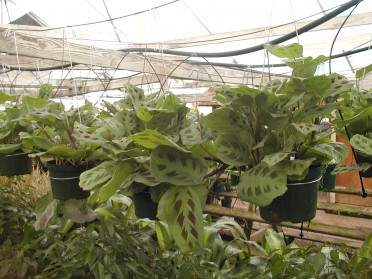
Begonias are among the easiest plants to root in water. Method Take cuttings with 2–3 leaves at the tip. Place stems in a glass of water. Roots appear in a few weeks. When roots are abundant, pot each cutting separately

Troubleshooting Tomato & Pepper Seedling Collapse
Seedlings that sprout then suddenly die after removing a humidity dome likely succumbed to drying out or temperature swing. Key Conditions Germination temp: 70–80°F constant. Post-germination: 60–70°F to prevent leggine
Saving a Broken Crepe Myrtle: Rooting the Severed Stems
When a crepe myrtle stem breaks at ground level, you can root the pieces to replace the plant. Cutting Protocol Cut broken stem into 8-inch sections. Strip all but top 2–3 leaves. Dip ends in rooting hormone (Rootone).
Pruning a Leggy Rubber Tree (Ficus elastica) for Bushier Growth
An 8-foot leggy rubber tree can be reshaped: Cut back by half (to ~4 feet). Feed with 12-12-12 fertilizer per label. Water sparingly—allow top soil to dry between waterings. Provide bright, indirect light (some direct m
Transitioning a Water-Rooted Pothos to Soil and Outdoors
A pothos grown in water for months can adapt to soil if your climate is frost-free. Steps Plant in a deep pot with rich potting soil. Keep soil moist; place in shade outdoors for 10 days. After acclimation, plant near a
Rooting Cherry Tree Branches for Orchard Expansion
To propagate a cherry tree from a branch: Select a green, 8-inch shoot; cut cleanly. Strip all but top 3 leaves. Dip cut end in rooting hormone (Rootone). Stick in warm (70–80°F), wet sand in a pot. Enclose pot in clear
Why Seedlings Die in the Greenhouse: Heat, Light, Water Balance
Sudden seedling collapse (impatiens, petunias, salvias) usually signals one of three deficits: Light: 12+ hours of strong light (sun or 40W fluorescents 3–4 inches above plants). Temperature: Steady 65–70°F. Water: Cons
Propagating Clematis Vines from Softwood Cuttings
Clematis roots well from early-summer cuttings using the standard softwood method. Steps Cut a 6-inch tender shoot; remove lower leaves. Dip in rooting compound. Stick 1 inch into moist potting mix. Cover with clear pla
Rooting Cherry Tree Cuttings from Storm-Downed Branches
Wind-fallen cherry branches with swelling buds can be rooted, though success varies. Protocol Take 6–8 inch cuttings; remove all but top 2–3 leaves. Cut cleanly with a sharp knife. Dip base in rooting hormone (e.g., Roo
Growing Castor Beans (Ricinus) in Southern Ontario
Castor beans love heat and sun. In Ajax (Zone 5b), start seeds indoors under 18-hour lights, but transition outdoors once nights stay above 10°C (50°F). Hardening Off & Planting After May 24 (last frost), place seed
Germinating Kurrajong and Bauhinia Seeds: No Special Treatment Needed
Both Kurrajong (Brachychiton populneus) and Bauhinia seeds germinate readily without stratification or scarification. Sowing Instructions Plant seeds 10 mm deep in warm (25°C/77°F), moist potting mix. Keep consistently
Propagating Snowball Bush (Viburnum) from Softwood Cuttings
Snowball bush roots reliably from early-summer softwood cuttings. Method Cut a 6-inch tender shoot; strip lower leaves. Dip in rooting hormone. Insert 1 inch into moist potting mix. Cover with clear plastic; place in in
Large-Scale Coast Redwood Propagation: Seek Expert Guidance
Propagating 50,000 coast redwoods annually from cuttings is a commercial-scale operation requiring specialized knowledge. With heated mist benches, greenhouses, and 300 mother trees, you have infrastructure—but success h
Choosing Self-Pollinating Fruit Trees for Montreal Gardens
For a sunny Montreal backyard with space for play, compact self-pollinating sour cherries or plums are ideal. A Quebec nursery provides region-specific recommendations: Galetta Nursery Fruit Tree Guide Look for varieties
Rooting Euryops (Yellow Daisy Bush) Cuttings
Broken pieces of your euryops can root easily in water or moist soil. Quick Steps Place cuttings in a clean glass of water or pot of damp potting mix. Change water every few days to prevent rot. Roots appear in 2–3 week
Managing Rootstock Suckers on a Grafted Japanese Maple
Your laceleaf Japanese maple is sprouting different leaves from the base—classic rootstock sucker growth. If allowed to grow, the vigorous rootstock will overtake the grafted cultivar. Action Required Prune off all suck
Transplanting a Rooted Pussy Willow Cutting: Timing and Technique
Your pussy willow cutting has rooted in water since February and shows two leafy branches. Here’s how to move it to a pot and then the yard for long-term success. Pot-Up Now Use a 12-inch pot with rich organic soil. Gro
Can You Grow Lilacs in Alabama? Better Alternatives for Southern Gardens
Traditional lilacs need a pronounced winter chill to bloom well, making them unreliable in Alabama’s heat. However, two excellent substitutes thrive in the South: Purple Vitex (Chaste Tree) – summer blooms resemble lila
Growing a Beech Tree from Seed: A Complete Guide
You have five precious seeds from a 300-year-old beech in Easton, PA. With proper care, they can become the next generation. Seed Starting Basics Use sterile, soilless mix (vermiculite, perlite, sphagnum moss) in cell p
Propagating Wild Azaleas from Cuttings Before Development
Rescuing wild azaleas from a soon-to-be-developed site? Softwood cuttings root readily if taken correctly. Step-by-Step Cut a tender, non-woody shoot at least 6 inches long. Remove lower leaves; keep 2–3 sets at the tip
Copyright © www.100flowers.win Botanic Garden All Rights Reserved