


Japanese Maple Seedling Survival: The Transplant Timing Secret
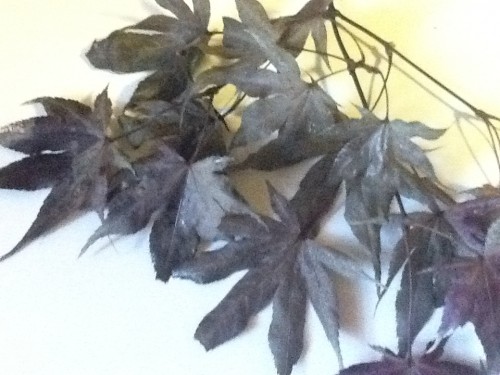
Diagnosing the 80% Loss Rate Losing 80 of 100 Japanese maple seedlings at 1-2 inches indicates a cultural issue, not soil pH. The primary culprit: transplanting too early. Critical Growth Stages Cotyledons (seed leaves

Will Seed-Grown Avocado Trees Produce Fruit? The Truth About Fruiting
Self-Fertility and Pollination Avocados (Persea americana) are generally self-fertile—single trees can set fruit. However, fruit set increases dramatically with a second tree nearby for cross-pollination. Flowers have un
Reclaiming an Overgrown Vegetable Garden: Weed Management Without Chemicals
Immediate Action Plan Mow high weeds: Brush hog or heavy-duty mower cuts 5-foot weeds Remove debris: Rake and compost or burn (check local regulations) Prevent seed set: Mow every 2-3 weeks all season No herbicides need
Daylily Deadheading: Maximizing Next Year's Blooms
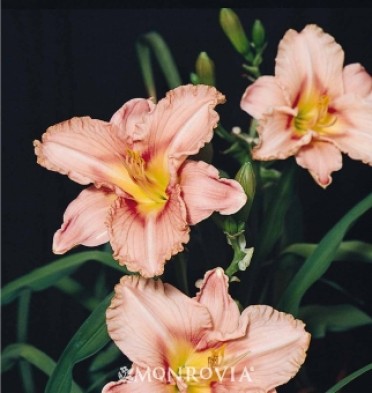
Understanding Daylily Bloom Cycle Daylilies (Hemerocallis) bloom once annually per scape. Each flower lasts one day, but multiple buds extend bloom period 3-4 weeks. Deadheading doesnt create rebloom (except remontant va
Growing Lilacs Indoors: Why It's Not Practical
The Biological Reality Common lilac (Syringa vulgaris) is a large deciduous shrub requiring: Winter chill (1000+ hours below 45°F) Full sun (6+ hours) Extensive root system Seasonal dormancy cycle Mature size: 8-15 feet
Nutrient Schedule for Japanese Maple Seedlings: From Germination to Planting Out
Feeding Timeline for Acer palmatum Seedlings Japanese maples have modest nutrient needs. Over-fertilization causes weak, leggy growth and salt damage. Stage-by-Stage Nutrition Germination to First True Leaves (0-4 weeks
Saving Heritage Crabapple Trees: Suckers vs. Cuttings
Two Propagation Paths for 70-Year-Old Trees When mature crabapples face destruction, you have two options with different timelines and success rates. Option 1: Suckers (Preferred - Higher Success) Crabapples readily pr
Growing Cypress from Seed: Seedling Care and Transplanting
From Cones to Seedlings Cypress seeds extracted from mature cones germinate readily. Your 50 seedlings with 10+ needle sets at 1 inch height are ready for the next phase. Immediate Care Keep evenly moist—never let dry
Deadheading Princess Lilies (Alstroemeria): Technique and Benefits
Why Deadheading Matters Princess lilies (Alstroemeria) expend tremendous energy on seed production. Removing spent blooms redirects this energy to rhizome development—resulting in larger clumps and more flowers next seas
Growing Avocado Trees in North Carolina: Container Culture Required
Climate Reality Check Concord, NC (Zone 7b) experiences sustained freezes that kill avocado trees (Persea americana). Even cold-hardy Mexican varieties succumb below 20°F. Ground planting is not viable long-term. Succes
Propagating Wild Blueberries: Seeds vs. Cuttings for Vaccinium myrsinites
Seed Propagation Challenges Wild blueberry seeds require cold stratification (90+ days at 34-40°F) and have low, erratic germination. Seedlings take 3-5 years to fruit and show high genetic variability. Why Cuttings Are
Why Easter Lilies Change Color: Hybrid Genetics Explained
The Hybrid Reality Modern Easter lilies (Lilium longiflorum cultivars) are complex hybrids. When they reseed in your garden, the offspring express the diverse genetic heritage of their parent lines—resulting in varied co
Transplanting Hardy Hibiscus Seedlings: From Pots to Garden
Hardening Off: The Critical Transition Six-inch hibiscus seedlings in 6-inch pots need gradual acclimation before garden planting. This prevents transplant shock and sun scald. 10-Day Hardening Protocol Place pots outd
Complete Guide to Propagating Cucumbers, Zucchini, and Other Vegetables
Warm-Season Cucurbits: Cucumbers, Zucchini, Cantaloupe Seed Requirements Soil temperature: 70-85°F for germination Germination: 5-7 days at 80°F No frost tolerance—plant after last frost Full sun, consistent moisture
Diagnosing Yellow Leaves on Annual Vinca (Periwinkle)
Common Causes of Vinca Chlorosis Random yellowing on otherwise healthy vinca (Catharanthus roseus) typically indicates cultural issues rather than disease. Primary Suspects Overwatering / Poor Drainage Vinca demands ex
Are Avocado Seeds Toxic? Safety Facts for Humans and Pets
Human Toxicity Avocado seeds (pits) are not considered acutely toxic to humans, but they offer no nutritional value and are not meant for consumption. The hard, bitter pit poses choking hazard and potential intestinal bl
Sprouting Peach Pits: Complete Guide from Store-Bought Fruit
Managing Expectations First Store-bought peaches are hybrid varieties grafted onto rootstock. Seedlings will produce different fruit—often inferior. But growing them is a fun, educational project. Step-by-Step Pit Prepa
Growing Cherry Trees from Seed: Understanding Hybrid Genetics and Cold Stratification
The Grocery Store Fruit Reality Those delicious sour cherries from a public tree are almost certainly from a grafted, hybrid cultivar. Seeds will not produce trees identical to the parent—this is the fundamental misunder
Rowan Tree (Mountain Ash) Propagation and Storm Damage Assessment
Propagating Rowan from Cuttings Rowan (Sorbus aucuparia, called Mountain Ash in North America) propagates well from green wood cuttings taken in spring after last frost. Cutting Protocol Select 6-8 inch (15-20 cm) gree
Propagating Clematis from Cuttings: Green Wood Method
Timing and Material Selection Take 6-8 inch cuttings from current seasons green growth (not woody stems) in late spring through summer. Choose healthy stems with several leaf nodes. Step-by-Step Process Prepare cutting
Copyright © www.100flowers.win Botanic Garden All Rights Reserved