

Growing Loquat from Seed in Indiana: Container Culture Required
Loquats are hardy to Zone 7; Indiana is Zone 5–6. Grow as a potted shrub. Seed Starting Remove seed coat; plant in moist potting soil. Keep 70–80°F; sprouts in 10–14 days. Transplant at first true leaf. After last frost

Propagating Coast Redwood from Cuttings: Standard Softwood Method
Coast redwood (Sequoia sempervirens) roots from softwood cuttings using the universal protocol: Cut 6″+ tender shoot; remove lower leaves. Dip in rooting compound. Stick 1″ into moist potting mix. Cover with clear plast
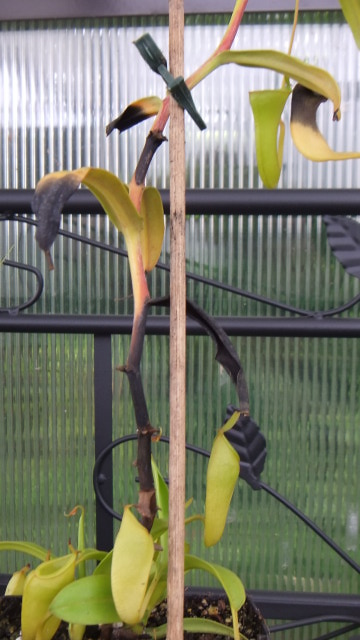
Reviving a Stressed Purple Trumpet Flower and Propagating from Cuttings
Cold damage caused dieback on your potted trumpet flower. One trunk may be dormant; the other alive. Cutting Propagation Cut 6–8″ pieces; strip all but top 2–3 leaves. Dip in rooting hormone (Rootone). Plant 1–2″ deep i
Ground Cover Under Oak Trees: Choosing Shade-Tolerant Species
Oaks do not allelopathically suppress ground covers (unlike walnuts/hickories which release juglone). Asian jasmine struggles due to dense shade and root competition, not chemicals. Better Shade Ground Covers Vinca mino
Black Rot on Dianthus Seedlings: Cause and Cure
Black, crispy leaf tips on 4-day-old dianthus = black spot fungus, triggered by high humidity (saran wrap) + heat mat. Treatment Spray sulfur-based fungicide every 7–10 days. Remove affected leaves promptly. Increase ai
Transplanting Trees and Shrubs: Timing and Technique
Move snowball bush and other woody plants after the last hard frost. Guidelines Dig wide and deep to capture maximum roots. For large trees, hire professionals with hydraulic spades. Snowball bush needs full sun (6+ hou
Soil Preparation for Planting a Snowball Bush in Louisiana
Alexandria, LA (Zone 8b) gardeners: build fertile, well-drained soil for a snowball bush (Viburnum opulus). Steps Till in compost, shredded leaves, aged manure, peat, humus. Test pH; aim for 7.0. Add lime if acidic, sul
Saving Gypsophila and Balsam Seedlings from Damping-Off
Wilting, collapsing gypsophila and balsam seedlings indicate damping-off fungus. Rescue & Prevention Discard infected flats; start fresh—you still have time. Top-dress sowing medium with milled sphagnum moss (powerf
Daffodil Seed Propagation: A 5- to 7-Year Journey
Daffodils produce hard black seeds after flowering. They can be grown, but require patience. Stratification & Germination Sow seeds in pots with good potting mix. Seal in plastic bag; refrigerate 90 days (cold strat
Why Cuttings Rot After Moving from Water to Soil
Cuttings that thrive in water but yellow and die in potting soil usually suffer from overwatering (root rot) or transplant shock. Diagnosis Water-rooted cuttings develop brittle roots unsuited to soil. Constantly wet so
Avocado Tree Placement and Fertilizer for Sandy Soil
An avocado 5 feet from the house is close but manageable. Better: move to 10+ feet if possible. Fertilize with fruit-tree spikes or granular fruit-tree fertilizer per label. Sandy soil drains well—avocados hate wet feet.
Planting Four O'Clock (Mirabilis jalapa) Tubers
Four O’Clock tubers are planted like daffodil bulbs: 6–8 inches deep. Use a bulb auger on a drill for ease. Not hardy below Zone 7; in colder zones, lift and store tubers over winter.
Transplanting Leggy Zinnia Seedlings in Florida
Tall, skinny zinnia seedlings need hardening off before garden planting. Process Place pot in semi-shade, protected from wind/rain/sun, for 10 days. Seedlings will strengthen and grow thicker. Prick out individually; pl
Germinating Pepper Tree (Schinus areira) Seeds in Tasmania
Pepper tree seeds germinate readily, but note: some Australian states classify this species as invasive. Sowing Steps Remove seeds from berries; wash off all pulp. Sow 3–4 mm deep in damp (not soggy) mix. Maintain 24°C
Propagating Impatiens and Trellising Cucumbers
Impatiens from Cuttings Take a young, non-woody stem; remove all but top leaf set. Dip in rooting compound. Plant in moist potting soil; water thoroughly. Cover with clear plastic (mini-greenhouse). Roots in 2–4 weeks;
Damping-Off Disease in Seed Starters: Identification and Control
White fuzz on corn seedlings in a covered tray = damping-off, a fatal fungal disease. Immediate Actions Remove infected cells immediately. Remove cover; aim a low-speed fan at the tray for air circulation. Monitor moist
Why Coral Trees (Erythrina) May Not Set Seed in Cool Climates
Two 15-year-old coral trees in Christchurch, NZ, flower but produce no seed pods. The likely cause: insufficient summer heat. Climate Mismatch Erythrina crista-galli is native to Brazil and needs a long, warm period for
Controlling Invasive Daylilies (Ditch Lilies) in a Mixed Border
Aggressive orange daylilies (Hemerocallis fulva) spread by rhizomes and can choke out neighboring plants. Management Strategy Dig repeatedly—remove every rhizome piece you find. Plant desired perennials/annuals in the c
Planning a 300-Plant Tropical Paradise in Costa Rica: Key Considerations
Establishing a diverse fruit/ornamental collection on 24 acres in Costa Rica requires planning. Seed Storage Keep seeds in a cool, dry, airtight container (not refrigerator unless specified). Infrastructure Build a gree
Starting Wisteria from Seed and Bonsai Basics
Wisteria seeds (Wisteria sinensis) germinate easily without scarification. Seed Sowing Remove flat seeds from pods. Press into moist potting soil; cover lightly. Germination in 2–3 weeks at warm temperatures. Transplant
Copyright © www.100flowers.win Botanic Garden All Rights Reserved