
Stratifying Hard Seeds: Lychee, Avocado, and Others
Hard seeds (lychee, avocado, many trees) benefit from stratification—mechanical or chemical scarification followed by soaking—to break dormancy and speed germination. Simple Stratification Method Nick the seed coat w

Drying and Storing Garden Seeds for Future Planting
All seeds should be fully dry before storage. For podded seeds: Wait until pods begin to split naturally. Enclose pods in a cloth bag and tie off to catch seeds. After a week, check for dryness; separate seeds fro
Hardening Off Carnation Seedlings: What It Means and When to Do It
“Hardening off” means gradually acclimating indoor-grown seedlings to outdoor conditions—sun, wind, temperature swings—over 7–10 days. Process Wait until after the last frost date (late April in Louisville, KY). Pl
Rooting Pussy Willow Cuttings in Water or Soil
Pussy willow (Salix discolor) is one of the easiest plants to root. Both water and soil methods work. Water Method Place 8–12 inch cuttings in a jar of water on a sunny windowsill. Roots appear in 2 weeks; plant ou
Propagating Jasmine Sambac, Miniature Rose, and Rubber Plant from Cuttings
All three species root well from semi-hardwood cuttings taken in warm months. General Cutting Method Cut 6–8 inch stems just below a node; remove all but top 2–3 leaves. Dip cut end in rooting hormone (e.g., Rooton
Watering Seedlings: Bottom-Watering vs. Misting
Misting only wets the surface, encouraging shallow roots and spindly growth. Bottom-watering draws moisture upward, promoting deep, strong roots. Best Practice Set pots in a tray; add water to the tray. Allow soil
Starting Rosemary from Seed and Propagating Lucky Bamboo
Rosemary seeds germinate best in a sterile, soilless mix (perlite, vermiculite, peat) kept moist at 70–75°F. Light is not required for germination but essential afterward. Lucky Bamboo (Dracaena sanderiana) Propagation
Seed Starting Tomatoes and Peppers: Light, Temperature, and Timing
Start tomatoes and peppers indoors 6–8 weeks before last frost. Use 40W fluorescent lights 8 inches above trays, 10–12 hours daily. Keep soil at 75°F for germination, then cool to 60–65°F to prevent legginess. Key Pract
Germinating Tree Seeds for a Science Project: Realistic Timelines
Crepe myrtle seeds germinate in ~30 days, but dogwood and red maple require cold stratification (3–6 months at 40°F or below) followed by a warm period. This dormancy cannot be reliably compressed to a few weeks. Option
Renovating a Weedy Lawn: Steps for a Fresh Start
Killing existing vegetation with glyphosate (Roundup), waiting a week, then amending soil and seeding is a standard renovation method. Renovation Plan Apply glyphosate per label; wait 7 days for complete kill. Spre
Hybrid vs. Heirloom Vegetables: Cross-Pollination and Seed Saving
Hybrids can cross-pollinate with non-hybrids (open-pollinated varieties), but the resulting seeds will not breed true. Saved seed from hybrid plants produces unpredictable offspring—often inferior in yield, flavor, or di
Propagating Gardenias from Cuttings
Gardenia cuttings root well in spring or early summer using semi-hardwood stems. Cutting Procedure Take 6-inch cuttings from healthy, non-flowering shoots. Remove lower leaves; dip base in rooting hormone. Insert
Preventing Damping-Off in Bamboo Seedlings
Bamboo seedlings dying at 7 inches is classic damping-off, caused by contaminated medium, poor air circulation, or overwatering. Prevention Checklist Sterile medium: Use bagged seed-starting mix (perlite, vermiculite
Dividing Daylilies: Rhizomes, Not Bulbs
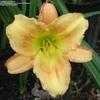
Daylilies (Hemerocallis) grow from fleshy rhizomes, not bulbs. Every 3–4 years, clumps can be divided to rejuvenate plants and create new ones. Division Steps Dig up the clump in early spring or fall. Pull or cut t
Timing Pumpkin Planting for Halloween Harvest
“Days to harvest” on seed packets counts from germination, not sowing or transplant. Pumpkins need 100–115 days from emergence to maturity. When to Start Seeds Start indoors 2–3 weeks before last frost (early April i
Growing Dragon Fruit (Pitahaya) in a Mediterranean Climate
Dragon fruit (Hylocereus spp.) thrives in subtropical/tropical climates like coastal Australia. In a Mediterranean zone (wet winters, dry summers), plant in spring after frost risk passes. Planting Guidelines Choose
Revitalizing a Flower Bed: Soil Prep, Seed Tapes, and pH Balance
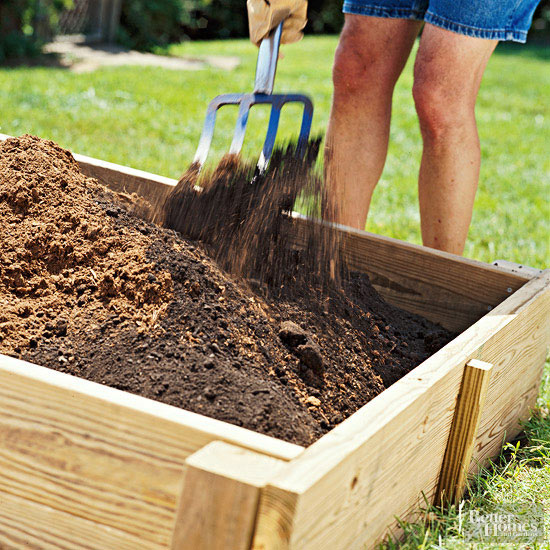
Flower seed tapes simplify spacing and depth but cost more than loose seed. If past plantings failed, the issue is likely soil quality or pH. Soil Improvement Steps Till in 2–3 inches of organic matter (compost, peat
Hardening Off Apple Seedlings: Preventing Leaf Scorch
Apple seedlings moved directly from indoors to outdoor sun often develop brown, scorched leaves due to sudden exposure to UV, wind, and temperature swings. Proper Hardening Off After last frost, place seedlings in a
Collecting and Sourcing Bacopa (Sutera cordata) Seeds
Bacopa (often sold as “Bridal Showers”) produces distinct seed pods after flowering, but seeds are rarely offered commercially. Most gardeners propagate by division or cuttings. Seed Collection Watch for seed pods to
Spider Plant Flower Anatomy: Stigma Location and Fruit Appearance
Spider plant (Chlorophytum comosum) flowers are small and simple. The stigma is minute and not easily visible without magnification. After successful pollination, a fleshy, green, three-lobed capsule develops—about the s
Copyright © www.100flowers.win Botanic Garden All Rights Reserved