


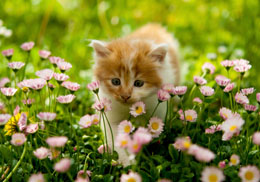
Cats love gardens—soft soil for digging, sunny spots for napping, birds for watching. But their "gifts" and excavation ruin flower beds. Protect your plants humanely with these proven deterrents.
Interplant these cat-repelling herbs/flowers:
Rotate methods—cats adapt. Combine barriers + scents + plants for best results. Persistence pays off.
Cats in Flower Beds and Mole Control: Practical Solutions for Both
Removing Invasive Vinca from Flower Beds: Digging, Herbicide, and Hostas
Keeping Grass and Weeds Out of Flower Beds: Barriers First, Spot Treatment Second
Snake Deterrence for Creek-Side PA Camper Lot
Keeping Gardenia Flowers Fresh After Cutting
How to Keep Birds Out of the Garden: Humane Deterrent Methods
Fantastic Flower Bed Designs: Pro Ideas for Stunning Borders
How to Build Raised Garden Beds from Free Pallets
How to Create a Stunning Flower Bed: Step-by-Step Guide
How to Grow Orchids Successfully: A Complete Guide
Keyhole Garden Beds: Build a Productive, Accessible Raised Bed System
How Often Should You Fertilize Flower Beds?
Deer: Identification, Control & Prevention in the Garden
Create Charming Hollyhock Flower Dolls: A Classic Spring Craft
Copyright © www.100flowers.win Botanic Garden All Rights Reserved