


1. Home
  2. Question and Answer
  3. Houseplants
  4. Garden Articles
  5. Most Popular Plants
  6. Plant Nutrition

Flower Bed Design Ideas: Layouts, Planting Plans, and Creative Combinations

Well-designed flower beds transform yards into living art. Whether formal or cottage-style, the principles of good design—structure, succession, proportion, harmony—create beds that are beautiful, manageable, and rewarding.
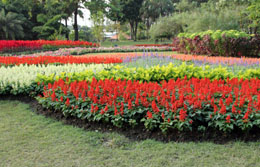
Designed flower bed

Planning Process

  1. Assess commitment: Time, budget, physical ability dictate scale and plant choices.
  2. Sketch to scale: Graph paper or app. Note sun, drainage, views, utilities.
  3. Define shape: Curves (naturalistic) vs. geometric (formal). Outline with hose/rope.
  4. Prepare soil: Dig 10-15 inches; amend with compost; level; address drainage.
  5. Prevent problems: Soil solarization, beneficial nematodes, clean compost.

Planting Design Principles

  • Height gradient: Tall at back (fence/wall) or center (island bed); short in front.
  • Accessibility: High-maintenance plants (roses, delphiniums) where reachable.
  • Hydrozoning: Group by water needs.
  • Watering: Soaker hoses/drip irrigation; mulch 2-3 inches.

Creative Bed Themes

  • Rose-centric: Roses + companion perennials (catmint, salvia, allium) + annuals for continuous color.
  • Color impact: Vibrant combinations (purple/orange, blue/yellow, red/silver). Avoid pastel-only beds—they recede visually.
  • Layered trailing: Raised bed with petunias → calibrachoa → sweet potato vine → border of alyssum.
  • Vertical elements: Trellis with clematis, morning glory, or climbing roses as backdrop.

Color Strategy

  • Mass colors in drifts (3, 5, 7+ plants) for impact.
  • Foliage color (chartreuse, burgundy, silver, variegated) extends seasonal interest.
  • Repeat key colors/forms throughout bed for cohesion.
  • White flowers glow at dusk—place near seating areas.

Multi-Bed Harmony

  • Connect beds with consistent edging, repeated plants, or color echoes.
  • Vary bloom peaks across beds for garden-wide succession.
  • Unify with hardscape materials (stone, brick, gravel paths).

Great flower beds balance art and ecology—beautiful to you, supportive to wildlife, sustainable for years.

Copyright © www.100flowers.win Botanic Garden All Rights Reserved