

Sarracenia minor Growth Rate: Species Trait, Not Dormancy Issue
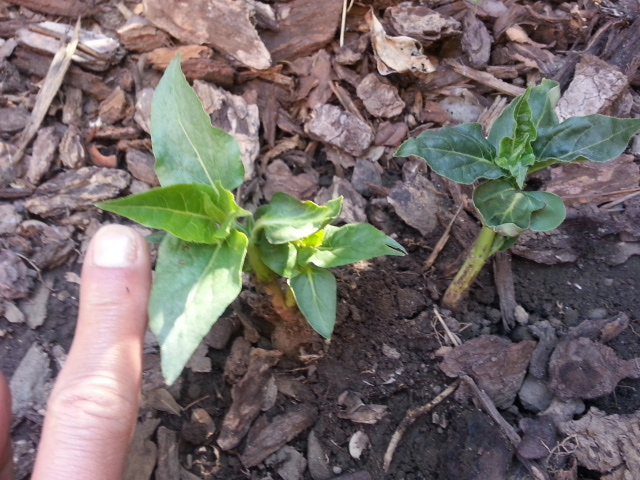
Slow Growth Is Inherent S. minor grows slowly, especially in cooler summers. Not a dormancy issue. Growers in warmer-summer regions (upper Midwest) often achieve larger S. minor despite colder winters. Your Scarlet Belle

Venus Flytrap and Sarracenia Dormancy in Seattle: Outdoor vs. Indoor Myths
Our Protocol: Outdoors in Full Sun Seattle winters similar to ours (Oregon)—sometimes were colder (less ocean moderation). We grow VFTs/Sarracenia outdoors year-round with basic winter protocols. See care sheets. Why Ou
Repotting Nepenthes 'Miranda': Timing, Technique, and Pitcher Fluid
When to Repot Can stay in original pot a few more months—Nepenthes tolerate being root-bound. Repot anytime; no need for frequent repotting (unlike Sarracenia). Recovery takes time. Repotting Method Massage pot to loos
Identifying deRoose's Alata (Nepenthes × ventrata) from Romania
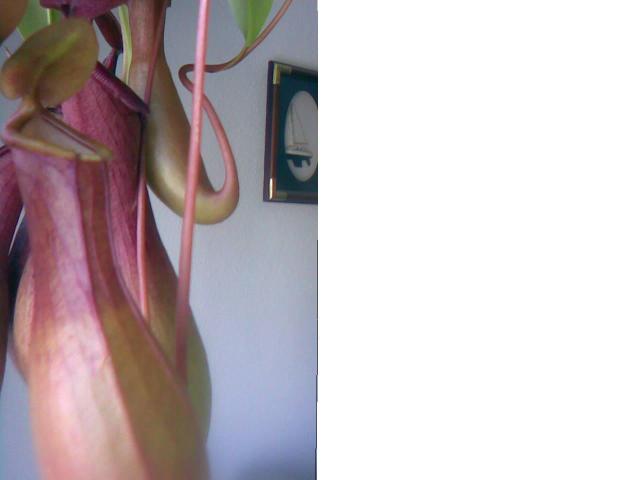
Identification Your plant = Nepenthes × deRooses alata [(alata × ventricosa) × alata]. Common, easy hybrid often mislabeled as N. alata or N. × ventrata. Care Sunny window, moist soil. Intermediate temps—household cond
Winter Survival for Tiny, Newly Propagated Venus Flytraps
Current Outdoor Exposure Is Fine Plants are naturally preparing for dormancy (reducing leaf size, building sugars). Northwest winters = cold rain—no issue for VFTs. Cold Snap Protocol Brief lows ≤20°F: move to unheated
Identifying Nepenthes × ventrata (deRoose's Alata) and Pitcher Maintenance
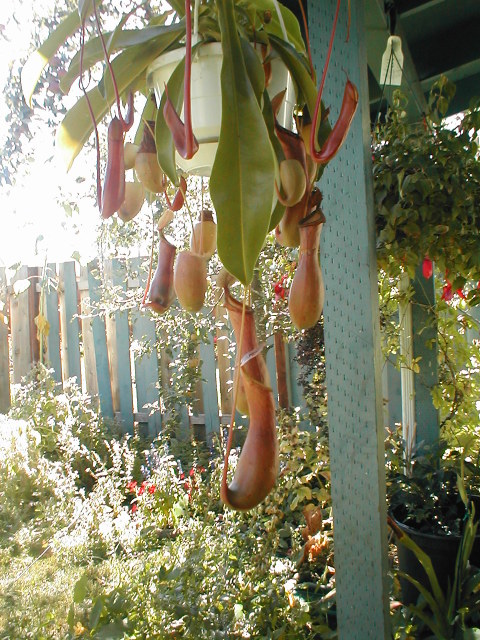
Confirmation Your plant = Nepenthes × ventrata, specifically deRooses alata: (N. alata × N. ventricosa) × N. alata. Vigorous, unfussy grower. Pitcher Cleanup Cut off dead pitchers freely. Leaving bug-filled bases can be
Do Venus Flytraps Need Feeding During Dormancy?
No—And Heres Why Carnivorous plants digest insects for nutrients (fertilizer), not energy. Energy comes from sunlight. During dormancy: minimal photosynthesis → minimal nutrient need. Regular plants dont use fertilizer w
Sexing Nepenthes and Drosera for Seed Production
Nepenthes Gender only discernible at flowering. Search web for male vs. female flower photos—hard to describe without floral morphology knowledge. Drosera aliciae Flowers are perfect (both sexes). Self-pollinating. Tick
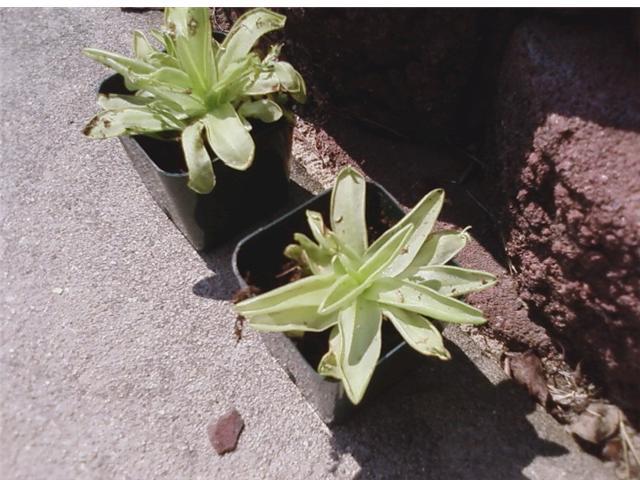
Identifying and Caring for Pinguicula primuliflora
Identification Your plants are Pinguicula primuliflora (Primrose Butterwort). Care Requirements Standard peat/perlite mix. Larger pots (6)—they rot easily in wet, small pots. Soil moist, not waterlogged; shallow water
Light for Drosera aliciae and Water in Nepenthes Pitchers
Natural vs. Artificial Light Natural light always best. Artificial supplements when window light insufficient. Nepenthes Pitcher Fluid Plants secrete own enzymes/digestive fluid. Rain enters naturally. New pitchers cont
Winter Care for Nepenthes alata: Feeding and Light
Feeding During Low-Insect Months Fertilize monthly: ¼ tsp powdered orchid fertilizer per gallon water. Primary Challenge: Light Place in brightest window. Pitcher loss during short winter days is normal; production resu
Overwintering Sarracenia in Western New York (Zone 5–6)
Yes, They Survive Your Winters Customer near Syracuse maintains bog garden year-round. Options: Few plants: Unheated garage/shed (cold but not extreme). Sarracenia tolerate brief teens (°F). Many plants: Group, mulch he
Woody Stem Development in Mature Nepenthes ventricosa
Normal Aging Process Long, leafless, woody stems with growth only at tips = typical for mature N. ventricosa. Many Nepenthes develop this habit with age; just more noticeable in this species.
Best Carnivorous Plants for a Large Frog Terrarium (175 Gal)
Light-Limited Species Selection Most carnivorous plants need full/partial sun—frog tanks usually lower light. Suggested species for low-light tolerance: Drosera adelae (Lance-leaf sundew) Drosera prolifera (Hen-and-chic
Choosing Safe Sand for Carnivorous Plant Bogs
Use Washed Play Sand Only Childrens play sand (hardware/big-box stores) = clean, washed, safe. Avoid construction sand—unknown source, often contaminated (learned the hard way).
Normal Leaf Aging and Water Quality for Young Nepenthes ventricosa
Yellowing Lower Leaves = Normal Older leaves (1) yellow, blacken at edges, die off → woody stem. New growth (3, green, waxy, red-stemmed) indicates health. White Deposits on Soil Not from rainwater (minimal dissolved so
Transplanting Cephalotus into an African Violet Pot
Minimizing Transplant Shock Use fresh soil. Keep root ball intact: invert pot, remove loose soil, leave core. Cephalotus has long roots—handle gently. Pre-fill new pot; place plant; firm soil around roots. Water with Su
Nepenthes Pitcher Morphology, Maintenance, Feeding, and Identification
Tendril Position: Upper vs. Lower Pitchers Upper pitchers: tendrils attach at back—evolutionary adaptation for flying insect capture (tendril out of way). Pitcher Removal Cut at tendril only after fully browned/dried. E
Growing Venus Flytraps in Tucson, Arizona: Light, Water, and Dormancy
Diagnosing Leaf Tip Burn Compact fluorescents run hot—keep plants farther away. Water depth: ¼ pot height (1.5 ok for 5 pot, too much for 4). Repot in 1:1 sphagnum peat:perlite (no fertilizer) if soil history unknown.
Slow Growth and Red Spots in Nepenthes burbidgea: Patience Required
Extremely Slow Juvenile Growth N. burbidgea grows painfully slowly for first few years—perhaps one leaf every two months—then sudden growth spurts. My plants: 2+ years, only a couple pitchers/year. Not for impatient grow
Copyright © www.100flowers.win Botanic Garden All Rights Reserved