

Diagnosing Deformed Sarracenia Pitchers: Aphid/Thrips Damage and Purpurea Maintenance
Wrinkled/Deformed Pitchers (Hammerhead, Rubra) Classic aphid or thrips damage. These pests attack tender new growth, sucking juices and distorting internal leaf structure. As leaves mature, they emerge deformed. By fall,

Venus Flytrap Dormancy in Canada: Recognizing and Managing Winter Rest
Identifying Dormancy Onset Dormancy begins after consistent exposure to frost. When daytime temps stay below 45°F (7°C) or nights consistently hit 32°F (0°C), the plant is dormant. Continuous growth now is normal—its sti
Nepenthes, Seedling, and Darlingtonia Dormancy & Light Requirements
Nepenthes (Sanguinea, Ventrata) – No Dormancy Needed Tropical pitcher plants do not require dormancy. Keep them indoors in a sunny window or under fluorescent lights (14–16 hours daily) through winter. Seedlings: Sarrac
Sarracenia Division Timing and Managing Pitcher Damage
When to Divide and Repot Wait until early spring (March–April). Dividing in October risks fungal infection because rhizomes wont heal before dormancy. At our nursery, all divisions occur in spring. Chewed Pitchers and L
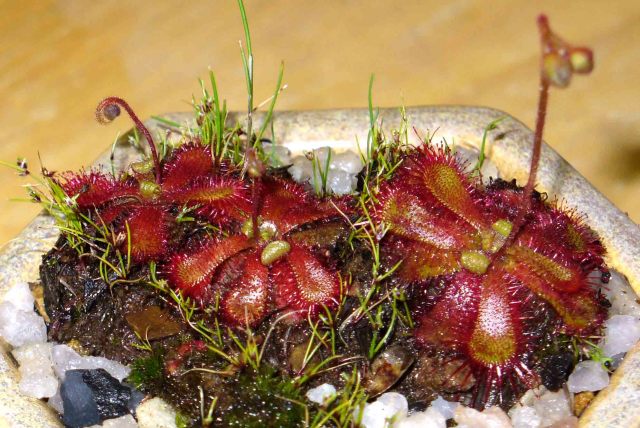
Identifying and Caring for Drosera aliciae from Table Mountain
Confirmation and Basic Care Your plant is Drosera aliciae (Alice Sundew)—healthy and well-identified. Most sundews thrive with a water tray. Use a well-draining pot; keep water at ¼ pot depth. Maintain constant moisture
Using Sulfur Fungicide for Sarracenia Winter Dormancy (Cooler Method)
Bonide Garden Sulfur (90% Sulfur) – Is It Safe? The high sulfur percentage (90% vs. Safer Brands lower concentration) is not a concern. Follow label directions. During winter dormancy—especially with the cooler/packing p
Gibberellic Acid (GA3) for Carnivorous Plant Seeds: When to Use and Risks
Is GA3 Necessary for Tropical Drosera Seeds? For Drosera madagascariensis and D. paradoxa seeds—even older, refrigerated ones—gibberellic acid (GA3) is not necessary. GA3 is primarily useful for temperate species requiri
Complete Guide to Growing Live Sphagnum Moss and Winter Care for Carnivorous Plants
Caring for Live Sphagnum Moss Live sphagnum moss (Sphagnum capillifolium) is remarkably easy to maintain. The key requirement is constant moisture—keep it damp at all times and it will thrive. For detailed care instructi
Broken Nepenthes Miranda Pitcher Bud and Repotting Timing
Damaged Pitcher Bud Damage is permanent, but Miranda grows quickly—new pitchers will appear by spring. Repotting Now Repot anytime; winter or when pitchers are few is easier. Since the pitcher is damaged, repot now to a
Managing a Large, Splitting Nepenthes alata Stem
Woody Stem Cracking and Plant Separation Likely the Deroose Alata hybrid—fast-growing, woody vines. Outer bark cracking when vine bends is normal and may stimulate basal shoots. Separate the two plants now (easier while
Distinguishing Giant Dewthread from Common Dewthread
Key Differences If you have both but lost tags: Florida Giant (D. filiformis Florida Giant) reaches 16 inches, thicker leaves, fewer leaves, less red pigment. Northern dewthread (D. filiformis ssp. filiformis) reaches 8
Nepenthes burkei and N. ramispina: Highland Species That Thrive in Lowland Conditions
Flexible Altitude Tolerance 1000m), both species grow well in intermediate and lowland settings. They tolerate warm nights but dont require them. Miami Success Your success with N. vogelii and N. gymnamphora in Miami he
Fungicide Safety for Cephalotus Seeds
Choosing a Seed-Safe Fungicide No experience with Spectracide Immunox on carnivorous plants. For seeds/seedlings, use mild sulfur-based fungicide. Stronger fungicides (Daconil, Neem oil) are safe on mature plants. Well t
Drosera filiformis ssp. filiformis: Temperate, Not Tropical
Stratification and Growth Habit Seeds require cold stratification. Mature plants must be grown as temperate—theyll attempt dormancy at any temperature/light shift. Only the red form (D. filiformis Florida Giant) can be g
Treating Fungus or Mold on Carnivorous Plants
Safe Fungicide Options Use sulfur-based fungicide or Neem oil (Safer brand products work well). After treatment, prevent recurrence by addressing cultural causes—need to know your species and growing method for specific
Managing Black Traps and Off-Season Flowers on Venus Flytraps
Pruning and Acclimation Trim blackened leaves and flower stalks. Start in a sunny east windowsill (a few hours direct sun) for a week, then move outdoors for 6+ hours direct sun. Some leaf burn is normal; new growth will
Reviving Dehydrated Carnivorous Plants After Neglect
Emergency Rehydration Plants may survive if dehydration wasnt severe. Place pots in saucers with water up to half the pot height—these plants tolerate standing water. Theyll perk up in days. Then trim brown/shriveled lea
Sarracenia Winter Culture: Conflicting Advice and Indoor Overwintering
Resolving Conflicting Planting Instructions If your winter lows reach 0–15°F, youre likely not in Portland. Zone 7 or colder needs winter protection. Goal: prevent repeated freeze-thaw cycles, not prevent freezing entire
Unusual Flower Stalk Growth on Cape Sundew
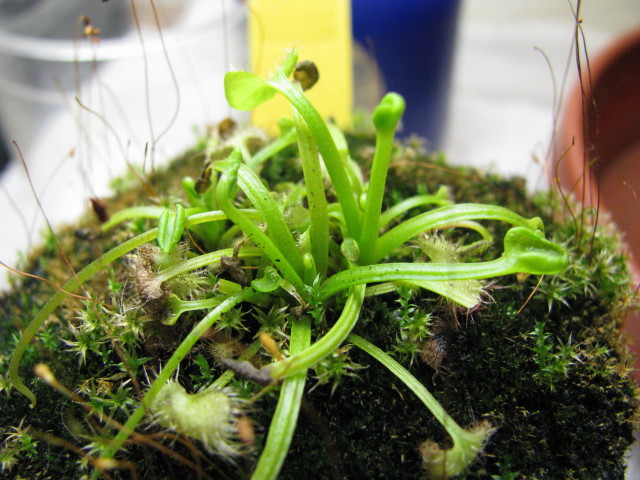
Leaf-Like Structures on Flower Stalk Similar to Venus flytrap plantlets on flower stalks (caused by early dormancy break or warm spring temps). Localized mutations occur in fast-growing plants. Not a concern. Follow-Up:
Is a Venus Flytrap a Fungus or a Plant?
Basic Classification Plants photosynthesize; fungi do not. Venus flytraps are green, photosynthetic plants. Good growing!
Copyright © www.100flowers.win Botanic Garden All Rights Reserved