


Overwintering Container Carnivorous Plants: Mulch Depth, Burlap, and Fungicide
Mulching and Protecting Pots in Zone 5 Apply 6–10 inches of mulch from soil line up the pot sides. Build a wooden frame to hold mulch, removing it in spring. Before mulching, trim leaves taller than 4 inches and spray pl

Nepenthes sanguinea Growth Height and Support Options
How Tall Does N. sanguinea Grow? No published height estimates exist. Our plant reached 4 feet in two years from a 3-inch starter. Naturally, they vine across surfaces or hang down. With support, they grow upright. Provi
Repotting Carnivorous Plants in Autumn: When to Wait for Spring
Autumn Repotting Guidelines Early spring is best for repotting. Autumn repotting is acceptable only if you keep roots undisturbed, or if soil is contaminated/fungal or a new pot is essential. If repotting now, avoid rins
Brown Tips on Sarracenia purpurea: Seasonal Aging vs. Problems
Why Pitcher Tips Turn Brown Without knowing your location and growing setup (indoors/outdoors), specific diagnosis is limited. However, in the northern hemispheres fall, brown tips on older pitchers are normal as plants
Sarracenia rubra Flowering in Fall: Windowsill Light Effects
Why a Sarracenia Flowers in Autumn On a south windowsill, plants receive more direct sun in fall/winter/spring because the suns angle is lower. In summer, the higher sun is blocked by the house. Sarracenia flower initiat
Building a Large Bog Garden for North American Pitcher Plants
Converting an Underground Pond into a Bog Garden Ensure full sun (≥6 hours) and good drainage. A few inches of standing water at the bottom acts as a summer reservoir. Use 1:1 sphagnum peat moss and perlite (or washed sa
Cold Hardiness of North American Carnivorous Plants in Zone 4
Overwintering in Zone 4 (Central Vermont) Most North American carnivorous plants survive zone 4 if well insulated from temperature swings and freezing winds. Success stories exist in Toronto and Maine (both zone 4) with
Dividing Temperate Carnivorous Plants: Timing and SuperThrive Use
When to Divide Sarracenia and Dionaea Do not divide in fall—plants wont recover before dormancy, risking disease and frost damage. Divide in early spring as plants emerge from dormancy. Then soak rhizomes in SuperThrive
Growing Nepenthes rajah: Temperature Challenges and Vacation Watering
Nepenthes rajah Temperature Requirements N. rajah needs cool nights. If your area has warm summer nights, consider intermediate or lowland Nepenthes instead—long-term maintenance (moving a terrarium nightly for years) is
Identifying Nepenthes Miranda vs. Gentle: Pitcher Dimples and Leaf Traits
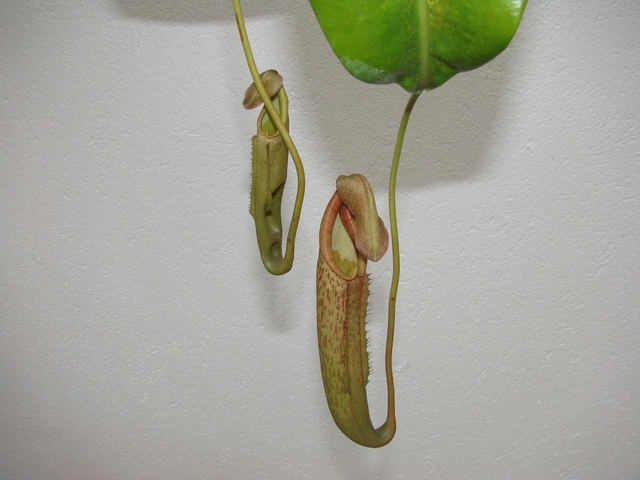
Distinguishing Nepenthes Miranda from Gentle The plant in question is Miranda (N. maxima × (maxima × northiana)), not Gentle (N. maxima × fusca). Color and leaf shape match Miranda. Dimples on developing pitchers result
Propagating and Repotting Venus Flytraps: Leaf Pullings, Divisions, and Soil
Propagation Methods for Venus Flytraps Leaf pullings: gently pull an adult leaf with a strip of white rhizome, place on damp perlite under strong fluorescent light (12,000 lumens, 16 hours/day, 1 inch away), and maintain
When to Mulch Container Carnivorous Plants in the Northeast
Mulching Timing for Zone 5-6 Gardens Apply mulch after a series of overnight frosts when daytime temperatures drop into the lower 40s°F. For your location (90 miles north of NYC), thats typically mid-November. Wait for c
Healthy vs. Unhealthy Roots in Sarracenia and Venus Flytraps
Identifying Root Health and Repotting Timing Healthy roots are white and supple; unhealthy roots are brown and brittle. Root problems usually stem from incorrect soil mix or high-mineral water—not overwatering, as these
Autumn Light Requirements for Carnivorous Plants: Windowsills and Supplemental Lighting
Lighting Temperate and Tropical Carnivorous Plants in Autumn North American species can stay in a north-facing window through autumn and winter. If light seems insufficient, add 40-watt cool white fluorescent tubes for a
Overwintering Carnivorous Plants Indoors: Lighting, Mold Control, and Watering
Indoor Winter Care for Temperate and Tropical Carnivorous Plants After moving plants indoors, keep them in a sunny east or south window. If light is insufficient, use shop lights with two 40-watt cool white tubes, 8 inch
Lighting for Butterworts and Sundews: Windowsills, Fluorescent Lights, and Fungicide Effects
Optimizing Light for Mexican Butterworts and Cape Sundews A south-facing window provides more light than an east window. Kitchen windows are fine if plants are kept away from the stove. Cooking heat and steam wont clog p
Water Testing for Carnivorous Plants and Clamshell Flytrap Seed Sterility
Key Water Parameter and Clamshell Flytrap Propagation When testing tap water, the only critical metric is total hardness (aim for ≤50 ppm). Other parameters (pH, chlorine, etc.) are less relevant for carnivorous plants.
Repotting Venus Flytraps: Timing, Technique, and Wild Collection Concerns
Repotting Flytraps from a Personal Bog Garden If the plants were dug from a personal garden (not the wild), you can repot them. However, early spring is ideal. Repotting in fall may cause a slight setback, but your south
Handling Summer-Dormant Venus Flytraps: Acclimation and Dormancy Timing
Dealing with a Flytrap That Arrived Dormant in August August is peak growing season for Venus flytraps; they dont go dormant until fall. If your plant arrived with a note about dormancy and only autumn leaves, contact Ca
Overwintering Sarracenia Indoors vs. Outdoors: Dealing with Wind
Should You Move Sarracenia Inside for Winter? Sarracenia are temperate North American plants that require winter dormancy, much like roses, maples, or irises. We strongly advocate overwintering them outdoors whenever pos
Copyright © www.100flowers.win Botanic Garden All Rights Reserved