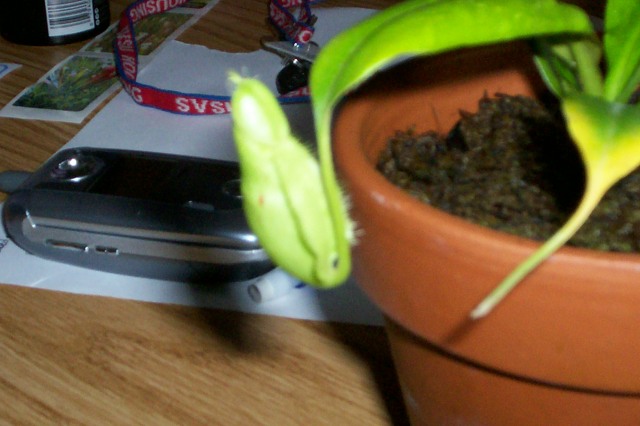
Identifying a Rescue Nepenthes from Lowe's
Likely ID: Nepenthes rafflesiana Despite the distributors list (ventricosa, madagascariensis, sanguinea, Judith Finn), your plants features (white hairs, shiny leaves, small green/red-spotted pitchers) match N. rafflesia


White Dots on Drosera kenneallyi: Insects or Fungus?
Diagnosing Tiny White Spots If spots move: sap-sucking insects (aphids). If immobile and spreading: mold. Treat with Neem oil or sulfur-based fungicide with pyrethrins, following label directions. Good growing!
Lighting Setup for Nepenthes sanguinea: Fluorescent Lumens and Distance
Evaluating a Compact Fluorescent Bulb A single 27W compact fluorescent (~2000 lumens) is insufficient. N. sanguinea needs 12,000+ lumens. Use 4-foot 40W shop lights (4 tubes = ~12,000 lumens) 6–8 inches away, 12–14 hours
Florida Giant Sundew Dormancy and Winter Protection in North Carolina
Dormancy Timing and Protection Expect dormancy by mid-November after repeated frosts. Coastal plains: no protection needed. Appalachian mountains: mulch in early-mid December after dormancy confirmed. Spray sulfur fungic
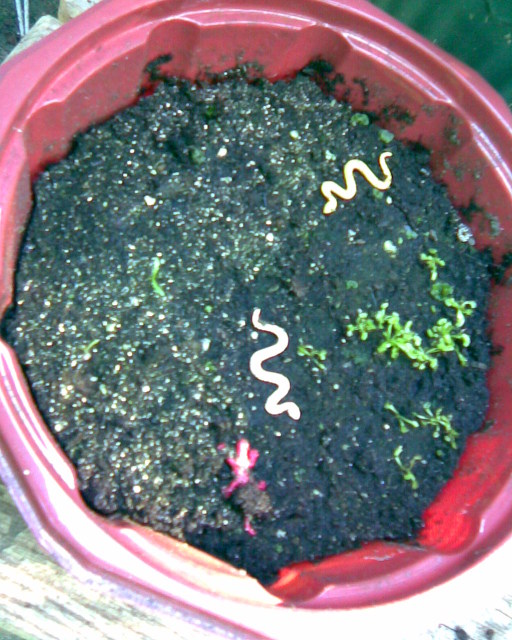
Rescuing DuneCraft Carnivous Creations Kit Seedlings
Caring for Terrarium-Grown Seedlings 50 ppm. Spray sulfur fungicide preventatively. Watch for mold; treat immediately. Spring Transition After frost risk passes, acclimate outdoors. Then separate into individual pots or
Using SuperThrive for Drosophyllum Seeds and Bareroot Plants
SuperThrive for Seeds and Transplants No specific data on soaking Drosophyllum seeds in SuperThrive. We germinate near 100% by nicking seeds to expose endosperm, planting in appropriate soil, keeping very moist until ger
Overwintering Carnivorous Plants Outdoors in Texas
Texas Winter Care by Region North American carnivorous plants can stay outdoors in Texas. Protection varies: near Oklahoma, shield from dry freezing winds; Gulf Coast needs no protection. Customers in Houston, Corpus Chr
Leaf Spots on Nepenthes Miranda: Normal Acclimation Marks
Identifying Harmless Leaf Spots Spots on an older leaf are normal. The plant was grown in high humidity/low light; that leaf shows transition stress. As long as new growth is healthy, the plant is fine. All leaves will a
Keeping Carnivorous Plants in an Office Cubicle
Office Suitability for Carnivorous Plants Carnivorous plants need more light than overhead office fixtures provide. If you can add strong fluorescent light (6,000–12,000 lumens, 4–8 inches away, 12–14 hours/day) and mana
Natural Fungicides, Insecticides, and Fertilizers for Carnivorous Plants
Recommended Treatments Insecticide/fungicide: Neem oil. Insecticide: pyrethrins. Fungicide: sulfur powder. Fertilizer: Insects are the most natural and effective fertilizer for carnivorous plants. Good growing!
Growing Heliamphora and Cephalotus on a Windowsill: Humidity and Light Needs
Windowsill Suitability for Heliamphora and Cephalotus Depends on your climate. Without location, general advice: Cephalotus adapts better as a houseplant but needs 4–6 hours direct sun (reduce in winter). Heliamphora req
Carbon Filter Water Causing Venus Flytrap Decline
Mineral Buildup from Carbon-Filtered Water Carbon filters remove chlorine and organics but not calcium, magnesium, or iron. Hard water minerals burn carnivorous plant roots. Repot in fresh 1:1 peat/perlite (fertilizer-fr
Troubleshooting a Declining Staghorn Sundew (Drosera)
Acclimation vs. Dormancy in Staghorn Sundew Leaf die-off after shipping is common. This species doesnt require dormancy but will go dormant if light/temperature drop. Keep in the sunniest window (south in fall/winter). N
Germinating Carnivorous Plant Seeds: Stratification, GA3, and Nepenthes Care
Seed Germination Guidelines Only Sarracenia and temperate sundews require cold stratification (cold, damp conditions to break dormancy). Tropical sundews and Nepenthes germinate in weeks at 70–80°F without stratification
Repotting Nepenthes and Sarracenia: Timing and Container Choices
Nepenthes Repotting Repot anytime—when soil is diseased, plant is pot-bound, or you want a new container. Roots are small; no strict rules. Hanging baskets with coconut liners work well, providing aeration but increasing
Evaluating and Adjusting Nepenthes Soil Mixes for Your Climate
Assessing Your Current Soil Mix Your mix (peat, perlite, vermiculite, coco chips) works well—your plants look healthy with no signs of waterlogging (blackened growing tips). Watering frequency should match soil retention
Why Your Nepenthes Miranda Isn't Producing Pitchers
Diagnosing Missing Pitchers on Nepenthes Loss of pitchers usually stems from a drastic humidity drop (humidity shock) or low light (starvation). If pitchers dropped quickly and none replaced them, its humidity shock. If
Winter Care for Mixed Carnivorous Plants: Dormancy, Soil, and Disease
Managing a Mixed Collection in New Jersey Separate Mexican butterwort and Cape sundew—they need different soil, water, and light. Cape sundew: 50/50 peat/perlite, tray water up to ¼ pot depth, no dormancy needed, keep in
Hanging Grow Lights and Nepenthes: Weight Concerns and Shelf Alternatives
Ceiling-Mounted Light and Pot Weight Weight capacity depends on ceiling structure, hooks, and chains. Most light kits include chains rated for the fixture plus extra. Anchor hooks into ceiling beams for safety. As the pl
Choosing Small Nepenthes for a Bright Bathroom Window
Compact Nepenthes for Limited Space Most Nepenthes are vines that eventually grow large; pruning (cutting the vine) keeps them manageable. They grow slowly, so vining stage may take years. Suitable species for a south ba
Copyright © www.100flowers.win Botanic Garden All Rights Reserved