

Rescuing an Indoor-Grown Sarracenia 'Judith Hindle': Skip Dormancy This Year
A Portland growers friend had a store-bought S. Judith Hindle indoors for months in a south window. Asked if moving it outside for winter dormancy was safe (current lows ~45°F). Do Not Move Outside Store plants are ofte

Winter Protection for Pitcher Plants in Zone 8: When and How to Mulch
An Augusta, GA (zone 8) grower asked how and when to mulch pitcher plants. Zone 8 = Minimal Protection Same zone as Sarracenia Northwest nursery. No protection needed until temps drop to 20°F or below. When Needed Mulch
Growing Nepenthes hamata on a Windowsill: Temperature Challenges and Solutions
A New York grower wanted N. hamata but lacked a terrarium or refrigeration. Nights are cool in winter, but summer nights stay above 80°F. Feasibility Mature plants adapt to windowsill conditions. Young plants need an en
Photoperiod Management for Nepenthes: Seasonal Light Adjustments and Flowering
A long-time Nepenthes grower asked whether to reduce light timer hours as winter approaches, noting one N. spectabilis was about to bloom. Photoperiod Nepenthes are equatorial; they dont need drastic changes. Recommended
Evaluating Growing Conditions for Venus Flytrap, Sarracenia, and Drosera adelae in Alabama
A Central Alabama grower cut a VFT flower stalk, asked about dormancy, and described a soil mix of 85% long-fiber sphagnum (LFS) + 15% vermiculite for VFT, S. purpurea, S. rubra (7–8h sun) and D. adelae (3–4h sun). Dorma
Three Methods for Overwintering Temperate Carnivorous Plants in Cold Climates
An Iowa (zone 5) grower with pitcher plants and flytraps in outdoor bowls asked for specific overwintering instructions. Method 1: Heavy Outdoor Mulch 4 inches to base. Spray sulfur fungicide generously. Cover pot and p
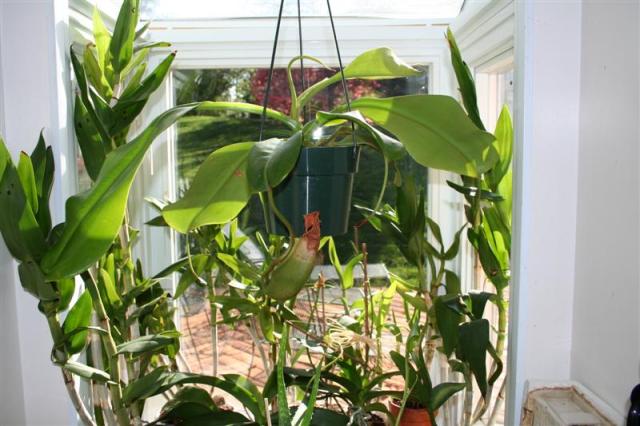
Encouraging Pitcher Formation in Nepenthes 'Caesar': Light and Fertilizer Adjustments
A Nepenthes Caesar in a SE garden window with orchids had pale, wide leaves and no new pitchers; the original pitcher was browning after feeding. Diagnosis Pale, wide leaves = low light. Check actual sun hours; are there
Winter Pruning Guide for Sarracenia: Which Species Retain Leaves?
A San Diego grower (cold, snowy winters) moved plants to an unheated garage and asked which Sarracenia should keep leaves during winter pruning. Leave Leaves On: S. purpurea, S. psittacina, and their hybrids. Some S. pu
Household Fly Spray and Carnivorous Plants: Risk Assessment
A grower asked if spraying household fly spray around the house would kill their VFT, Cephalotus, sundews, Nepenthes, or Sarracenia. Low Risk Most insecticides dont harm carnivorous plants directly. Petroleum-based carr
Mulching and Winter Storage for Temperate Carnivorous Plants in Zone 6
A grower 90 miles north of NYC (zone 6) asked about mulch composition (90% pine needles, 10% oak/maple leaves) and whether to store potted plants in a fluctuating unheated shed or a steady unheated cellar. Mulch Deciduou
When to Cover Venus Flytraps and Pitcher Plants for Winter in Mountainous Virginia
A bog garden owner near Roanoke, VA (mountainous) asked when to cover plants: after first frost for flytraps, after several for pitchers. Forecast: low of 24°F next week. Rule of Thumb Cover when daytime temperatures wil
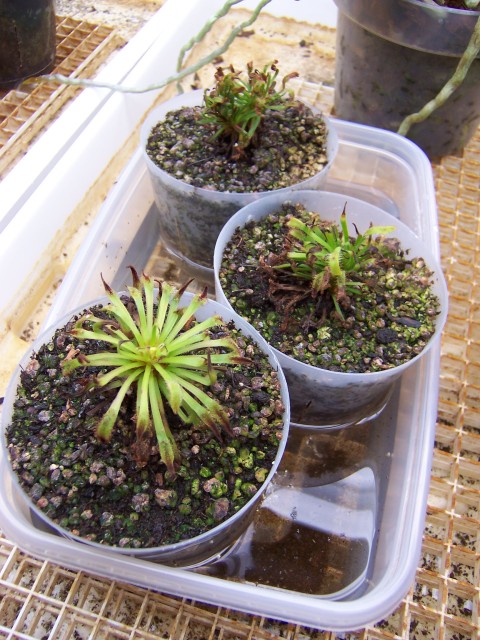
Diagnosing Sundew Decline: Fertilized Soil and Orchid Overspray
Two-year-old sundews under 6×40W Hortilux lamps (20 away) looked sickly. Soil was Whitney Farms 1:1 peat:perlite. A Phalenopsis orchid sat nearby; possible fertilizer overspray. Dual Culprits Small-bag soil amendments o
Refrigerator Dormancy for Sarracenia in Tropical Climates: Stem Pruning Tips
A grower in Yucatan (winters in 60s°F) used a refrigerator for Sarracenia dormancy but had a smaller fridge, requiring stem cutting to fit. Stem Cutting Safe for most Sarracenia; we cut leaves to the ground in January.
Wintering Sarracenia in Chicago: Cold Window Dormancy
A Chicago grower with a Sarracenia in a 4-inch pot asked whether to keep it outside or in a large living room window as temperatures dropped into the 30s°F. Indoor Dormancy Protocol Bring inside to a cold, north-facing
Cephalotus Winter Dormancy: Natural Slowdown in Low Light
A Cephalotus in an African violet pot on a UV-filtered south window stopped growing after 1.5 months; one pitcher opened, then nothing. Explanation With only natural winter light, the plant is likely entering dormancy. C
Nepenthes Flowering Without Pitchers: Light, Season, and Fertilizer Considerations
A large Nepenthes produced a flower spike but no pitchers. The grower feared the plant was dying. Flowering ≠ Dying Mature Nepenthes often bloom. Flower spikes emerge from the stem side. Why No Pitchers? Low light: Need
Winter Care for Tropical Carnivorous Plants: No Dormancy Needed
A Wisconsin novice grew Drosera adelae and an Asian pitcher plant (Nepenthes) in a west window. Growth halted in winter; the sundew lost dew. Key Fact Both are tropical—they have no dormancy. Slowdown is due to short day
Cephalotus Pitcher Development Timeline: What to Expect
A grower asked how long a Cephalotus pitcher takes to form (outside dormancy) to gauge if their plant is growing properly. Typical Rate Under good summer conditions (warm days, cool nights): ~3 weeks per pitcher. Variabl
Overwintering Temperate Carnivorous Plants in an Unheated Garage in Zone 6
A Staten Island, NY (zone 6) grower with four Sarracenia, one VFT, and one hardy sundew (with live sphagnum top dressing) asked about garage overwintering after first frost. Garage Method Good if temperatures dont drop
Controlling Snails in Nepenthes: Transplant and Bait Strategies
A N. maxima in Puerto Rico had snails (seen after heavy watering), suspected of root damage causing systematic leaf/pitcher browning. Action Plan Transplant to physically remove snails and eggs. Bait around pots (not in
Copyright © www.100flowers.win Botanic Garden All Rights Reserved