
Moldy Prey in Nepenthes Pitchers: Natural or Problem?
When Mold Occurs Large prey protruding above digestive fluid can mold. Usually harmless unless infection spreads. Pitcher may develop brown spot and die back over months. Simple Fix Tip pitcher sideways daily to submerg

Nepenthes ventricosa Pitcher Longevity and Leaf Color Changes
Short-Lived Pitchers = Normal N. ventricosa pitchers naturally die back faster than N. sanguinea. Your plant looks healthy: bright red pitchers, good growth. Smaller, Yellowish Leaves in Bright Light Normal response to
Sooty Mold on Sarracenia and Dionaea: Causes and Prevention
Identification Black sooty buildup on nectar-secreting areas = sooty mold. Common on all-green S. purpurea; other species resistant unless grown indoors, in low light, or with poor airflow. Management Not harmful—just
Why Miracle-Gro Peat/Perlite Kills Carnivorous Plants
Fertilizer-Enriched Media Is Fatal Any peat or perlite with added plant food will kill carnivorous plants quickly. They require nutrient-free, acidic media. Sourcing Safe Ingredients Buy from carnivorous plant nurserie
Overwintering Carnivorous Plants in Extreme Cold (Upper Peninsula Michigan)
Root Cause: Insufficient Summer Light Stringy pitchers = low light, not temperature. Plants need full sun (≥6 hrs direct) to build sugar reserves for winter survival. Weak plants die in harsh winters. Winter Strategies
Watering Nepenthes: Aqua Globes vs. African Violet Pots
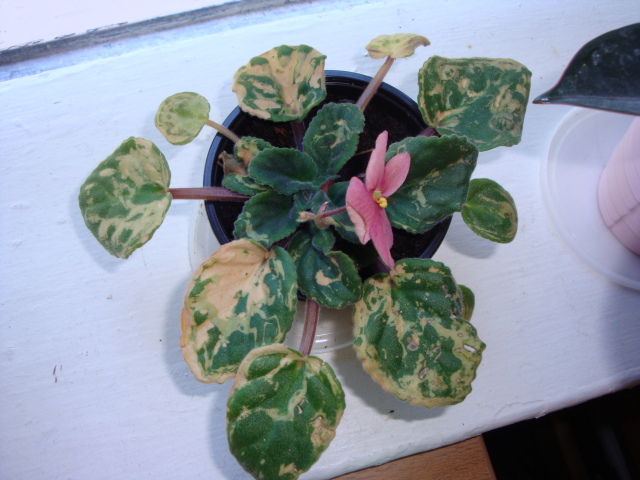
Aqua Globes: Likely Unsuitable Designed for moisture-retentive soils; Nepenthes mixes are highly drainable (orchid-like). Commercial demos often use wrong soil to show function. Better Self-Watering Option: African Viol
Diagnosis Few hours of afternoon sun is insufficient. Sarracenia need 6+ hours of direct sun for sturdy, colorful pitchers. Immediate Action Move to full sun location if possible. If not, overwinter indoors in south wi
Carnivorous Plants Native to Oregon
Native Species List Darlingtonia californica (Cobra Plant) Pinguicula macroceras Drosera rotundifolia Drosera anglica Utricularia intermedia All available from us. Sundews and bladderwort are currently dormant; availab
Artificial Lighting for Temperate Carnivorous Plant Seedlings (Central Alabama)
Indoor Seedling Setup Shop-light fixture with 40W cool-white fluorescent tubes (cost-effective, work as well as grow tubes). Tubes 8 inches above seedlings. Timer set to 14-hour day. Spring Transition Acclimate to out
Companion Plants for Nepenthes ampullaria Terrariums
Compatible Species Lowland Nepenthes: N. bicalcarata, N. gracilis, N. distillatoria, N. mirabilis Woolly sundews (advanced): D. falconeri, D. kenneallyi, D. lanata, D. paradoxa Easier sundews: D. adelae, D. prolifera, D
Growing Nepenthes hamata on a Windowsill: Acclimation Protocol
Is Windowsill Culture Possible? Yes, but only for mature plants (pitchers ≥4 inches). Young plants (<3 years) need higher humidity to establish roots and accelerate growth. Acclimation Steps Start in slightly higher hu
Drosera Flowering Under Artificial Light: To Cut or Not to Cut?
Flower Stalks Do Not Drain Energy—If Light Is Sufficient The myth that flowering weakens plants stems from growers using inadequate light. With strong lighting (your 4-tube setup: two bright white + two plant grow tubes)
Mosquito Control in Carnivorous Plant Water Trays
Safe, Effective Solutions Mosquito dunks (Bti): Break into chunks; one piece per tray. Contains bacteria lethal to larvae only—harmless to plants, pets, wildlife. Sundews as biological control: Intersperse Drosera among
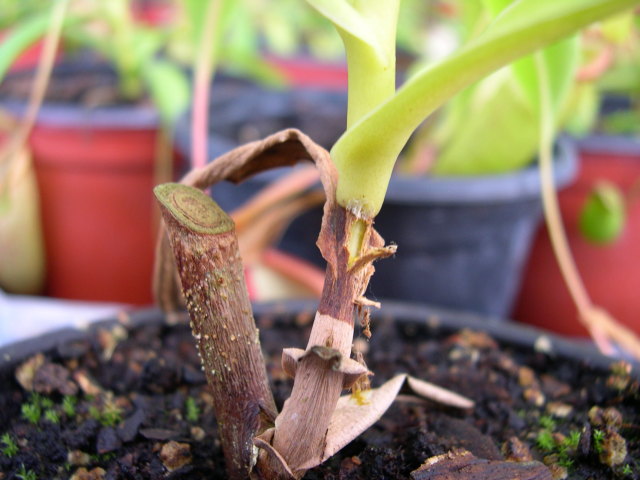
Normal Woody Stem Development in Nepenthes vs. Pest Damage
Brown Basal Stem = Normal Maturation The brown, woody layer on lower stems is typical aging in most Nepenthes. It provides structural support as vines lengthen. My 4-ft N. sanguinea has several inches of woody base. Gree
Overwintering Pinguicula macroceras Hibernacula
Winter Care for Temperate Butterworts Keep soil barely moist—water half as often as growing season. Cool temperatures (~40°F) reduce mold risk. Several hours of UV light daily helps. Key Precautions No standing water
Rescuing Nepenthes ventrata: Artificial Lighting Setup
Lighting Recommendations Supplement any available window light. For artificial light: four 40-watt cool-white fluorescent shop-light tubes (4 ft) in twin fixtures—provides ~12,000 lumens. Position 4–8 inches above plant,
Managing Mold During Sarracenia Seed Stratification
Green Mold Likely Algae or Slime Mold Fungicides dont affect algae/slime mold. Their presence often indicates old or non-viable seeds. Action Steps Replace paper towel. Re-spray with fungicide. Return to refrigerator.
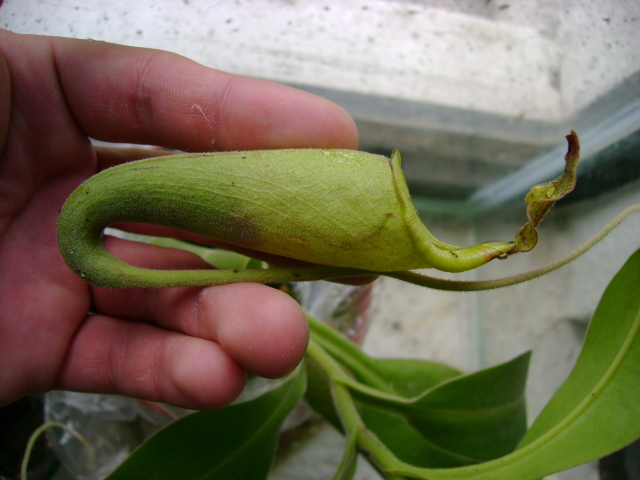
Identifying Nepenthes Hybrids: 'Velvet' and deRoose's Alata
First Plant: Nepenthes × Velvet (N. maxima × fusca) Photos match upper pitchers of N. maxima or the hybrid Velvet. Grow in intermediate conditions: nights ~65°F, partial sun (bright south/west window). Lower pitchers nee
Nepenthes ampullaria Lighting and Companion Plants
Fluorescent Lighting for Terrariums Standard fluorescent tubes work well. See our Nepenthes care sheet for specifics. Growing Heliamphora with N. ampullaria Possible only if you maintain constant 70–80°F days and nights
Buying Sarracenia in Fall for Cold Climates (Northern Michigan)
Fall Purchase Considerations Our Sarracenia are grown outdoors and fully acclimated to freezing temps. Whether to buy now or wait until spring depends on your experience: Beginners: Wait until spring—easier establishmen
Copyright © www.100flowers.win Botanic Garden All Rights Reserved