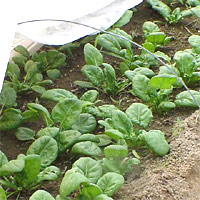


Reviving Drosera Spatulata: Light Deficiency Symptoms
Green, Spindly Growth Signals Insufficient Light A D. spatulata from Sarracenia Northwest thrived for three weeks then became spindly and blackened. It sits in a west window with a shade, in a water tray. Other sundews,

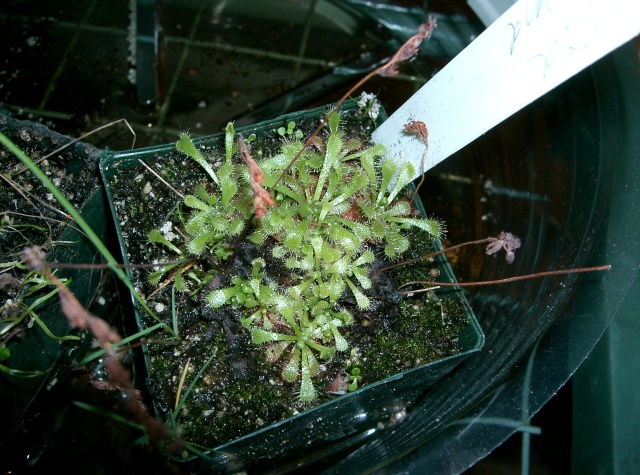
Identifying a Mystery Sundew: Tropical vs. Temperate
Plant Is Definitely Tropical A grower’s sundew, labeled D. dichotoma, doesn’t match that species’ leaf structure. It resembles D. spatulata but was grown in poor light, making ID difficult. Grow in Bright Light for Accu
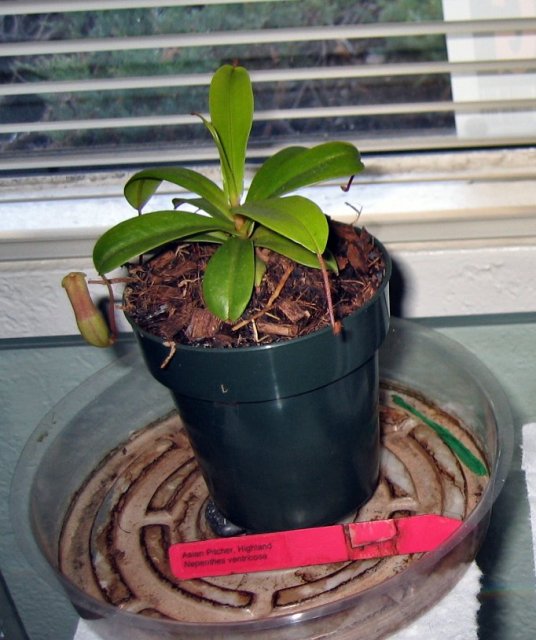
Why Nepenthes Venticosa Pitchers Stay Closed for Weeks
Patience Is Key with Developing Pitchers A N. ventricosa purchased in August 2009 has a new pitcher unopened for two weeks; two previous pitchers died before opening. The plant is in a south-facing Sacramento window with
Assessing Light Adequacy for Lance-Leaf Sundew
Red Tentacles and Dew Indicate Good Light A grower provided a photo of a lance-leaf sundew under 12-hour fluorescent lighting, asking if it’s sufficient. Plant Shows Healthy Coloration The plant displays red tentacles a
Encouraging Basal Shoots on Nepenthes for a Bushier Plant
Pruning Mature Vines Promotes Basal Growth A grower wants to keep a Nepenthes compact without vining by cutting the growing tip. Wait Until the Vine Is at Least a Foot Long Cutting too early encourages side shoots high
Overwintering DeRoose Alata: Temperature Limits and Mini Pitchers
Cool Nights Are Tolerable with Warm Days A Charlotte, NC grower asked if a Nepenthes ‘DeRoose Alata’ can survive several nights in the 40s°F with rain, given daytime highs near 70°F. The plant has one tiny half-inch pitc
Treating Tiny White Bugs on Nepenthes Ventricosa
Early Intervention Prevents Major Infestations A grower spotted 3–4 barely visible white bugs on the newest leaf of a N. ventricosa and asked for the best insecticide. Start with Topical Pyrethrin Treat immediately with
Diagnosing Twisted, Curling Leaves on Cape Sundew After Repotting
Aphids, Not Root Damage, Cause Deformed Growth Two weeks after dividing and repotting a cape sundew, the mother plant’s new leaves curled counterclockwise in a swirling pattern. The grower suspected twisted roots but saw
Building a Year-Round Outdoor Bog Garden in Maine (Zone 4/5)
Winter Protection Is Critical A grower wants to create a small outdoor bog for a friend in Maine (zone 4/5) who isn’t on the property year-round. The bog would be in full sun. Heavy Mulch Enables Overwintering Customers
Caring for Nepenthes Kuchingensis: A Lowland Hybrid
Identifying Your Plant’s Needs A Texas Panhandle grower purchased Nepenthes kuchingensis without knowing its classification or care requirements. The region experiences extreme temperature swings (95°F to 55°F). Lowland
When to Repot Cephalotus for Best Results
Timing Is Everything A grower in New Mexico asked the best time to repot a Cephalotus follicularis. Repot During Winter Dormancy The ideal window is mid to late winter while the plant is dormant. At our nursery, we repo
Choosing the Right Compact Fluorescent Bulb for Carnivorous Plants
Soft White vs. Cool White: What Matters A grower purchased a 40-watt Sylvania SuperSaver soft white CFL (2600 lumens) after finding only 24-watt cool white/daylight bulbs (1500 lumens). They wondered if the higher intens
Troubleshooting Black Traps and White Fuzz on Venus Flytraps
Normal Trap Aging vs. Fungal Issues A Venus flytrap owner noticed one trap turning black with white fuzz. The plant is watered when the tray looks dry, receives daytime sun, and is kept at 69°F indoors. It’s potted in pe
Why Your Nepenthes Ventricosa Pitchers Lack Red Coloration
Understanding Pitcher Color in Nepenthes Ventricosa A grower in Oklahoma purchased a Nepenthes ventricosa that arrived smaller than expected, with its adult pitchers removed for shipping. After trimming damaged growth, t
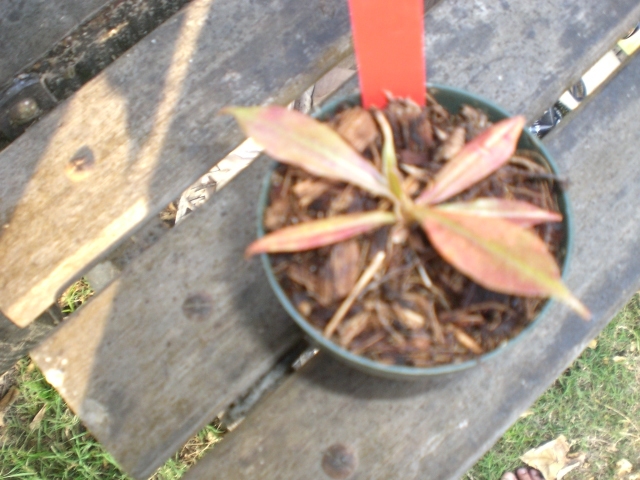
Nepenthes rafflesiana Health Check: Temperature, Light, and Humidity for Young Plants
N. Rafflesiana Youngli Key Factors Temperature:70°F (21°C). Cool nights cause leaf imperfections. Light: South window in fall/winter gives more direct sun than west. Move back to south—red color indicates good light. H
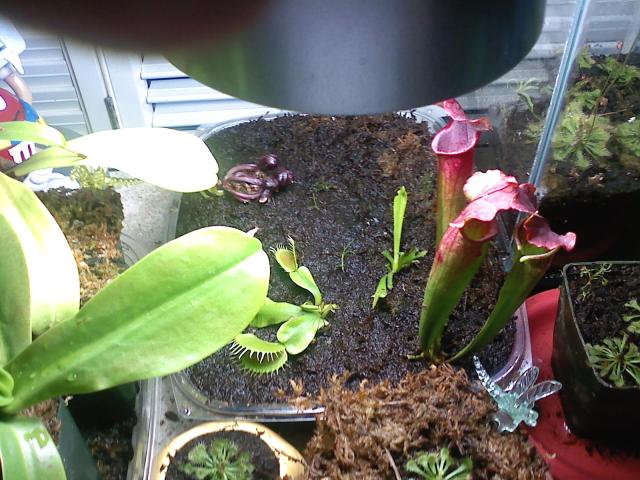
Identifying Sarracenia 'Judith Hindle' and Indoor Lighting/Dormancy Mistakes
North America carnivor Identification Plant is S. Judith Hindle (tissue-cultured hybrid). ~2–3 years from flowering maturity. Critical Errors Indoor artificial light inadequate: North American CPs need full sun outdoo
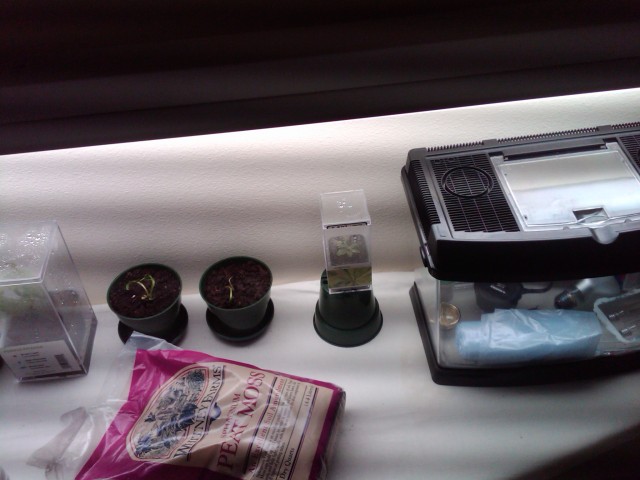
Indoor Carnivorous Plant Setup Critique: Terrariums Unnecessary, Light Insufficient
Maxs Setup Major Issues Terrarium not needed: Flytraps, Sarracenia, and Cape sundews grow well as houseplants or outdoors. Terrariums cause more problems. Miracle-Gro perlite toxic: Fertilizers kill CPs. Use pure perli
Venus Flytrap Winterizing in Chicago (Zone 5): Simple Mulch Method
After several frosts and consistent 40s°F days (late Nov in Chicago): Mulch heavily (8+ inches) with wood chips, pine needles, or aspen straw over pot and plant. Do NOT use leaves (fungal risk). Spray sulfur fungicide
Winter Mulching Questions: Dyed Wood Chips, Depth, Dormancy Color, and Pitcher Variation
Mulch Safety Unknown dye chemistry—use natural, undyed wood chips to be safe. Mulch Depth Yes, bury plant and pot under ~5 inches of chips. Dormancy Color Dull color on Danas Delight vs. dark red purpurea is normal if
Sarracenia minor Decline in Santa Cruz: Mineral Buildup and Light Deficiency
Short, thin, unopening pitchers that die quickly = classic mineral buildup (tap water) or insufficient light. Fixes Switch to distilled/RO/rain water immediately. Repot with fresh peat/perlite. Move to sunniest window
Copyright © www.100flowers.win Botanic Garden All Rights Reserved