

Managing Long Roots on King Sundew (Drosera regia): Pot Depth Solutions
Drosera regia (king sundew) develops very long roots. Wrapping roots upward in a taller pot is perfectly fine. Roots exiting drainage holes are also normal. Alternative Deep Pot Ideas Tall plastic containers (drill dra

Protecting a Venus Flytrap from Wind in Winter (Zone Unknown)
Wind that blows over pots is a physical hazard. Find a sheltered spot (against a wall, fence, or hedge) and stabilize the pot with rocks or by sinking it into the ground. Additional Resources Our e-book Secrets to Growi
Nepenthes talangensis Leaf Spots and Pitcher Failure: Temperature Mismatch
N. talangensis is a true highlander requiring cool nights. Your conditions (80s°F days, 60s°F nights) are too warm for optimal growth. Ideal Conditions Days: low 70s°F (21–23°C) Nights: upper 50s to low 60s°F (14–17°C)
Determining Dormancy Timing for Temperate Carnivorous Plants in Variable Weather
Plants use both temperature and photoperiod to trigger dormancy. By late fall, short days have already induced dormancy even if temperatures fluctuate. Recommendation Leave plants uncovered a bit longer to build cold t
Sarracenia Seed Stratification in Plastic Bags: Simple Fridge Method
Stratifying Sarracenia seeds in their original packets with distilled water works well. Method Add a small amount of distilled water to the seed packet (sterile, no nutrients for mold). Seal and place in refrigerator (
Pruning Sarracenia 'Judith Hindle' Before Winter Mulching
You can safely cut back pitchers on S. Judith Hindle before winter mulching, even with purpurea parentage. Why Its Fine Complex hybrids respond differently than parent species. Removing foliage reduces mold risk under
Heliamphora Repotting: When and How to Upgrade Pot Size
Heliamphora tolerates being somewhat root-bound (in nature, they grow in rocky crevices). Repot only if visibly crowded. Guidelines Depth: Similar to current pot; they dont need exceptionally deep soil. Width: Increase
Repotting Cephalotus with Minimal Root Disturbance
Cephalotus dislikes root disturbance. Heres the lowest-stress method: Procedure Prepare new pot with recommended mix (peat/perlite/sand). Gently remove plant, shaking off only loose soil—keep root ball intact. Soak pla
Sarracenia Water Levels in Pots: Summer Heat Management in New Zealand
For your S. purpurea, S. flava, S. oreophila, and S. Oke Giant in 10cm and 20cm pots in a conservatory: Water Level Guidelines Ideal long-term: Water ~1/4 up the pot height. Hot weather: Halfway up is fine temporarily.
Repotting and Wintering a Sarracenia purpurea from a Death Cube in New Jersey
Your S. purpurea from a death cube needs acclimation and proper winter care in Central NJ (Zone 6-7). Immediate Steps (Winter) Dont move to garage yet. Cold front moving in—plant isnt acclimated. Windowsill method: Kee
Using Frost Blankets for Sarracenia Winter Protection in Zone 5
Frost blankets add extra protection but are not sufficient alone in Zone 5. You must still mulch heavily. Layered Approach Primary insulation: 8+ inches of mulch (bark, pine needles, straw) over pots and plants. Second
Growing North American Carnivorous Plants in Hot Australian Summers: Heat vs. Light
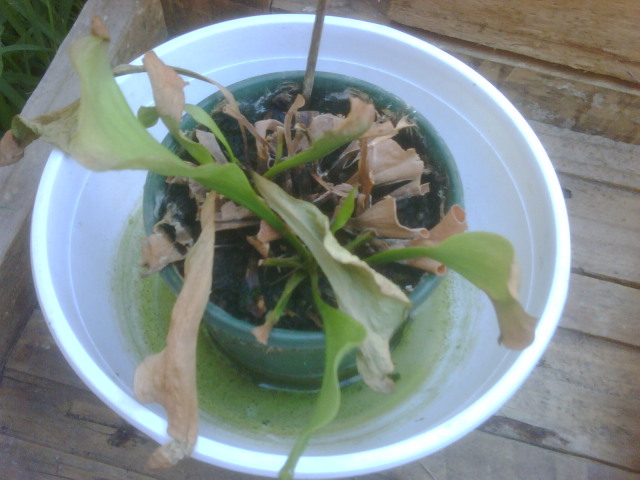
Unknown Sarracenia The issue in Australia isnt sunlight intensity—its heat combined with sun. Many North American species (especially flytraps) struggle when days consistently exceed 38°C (100°F). Diagnosis from Your P
Overwintering Sarracenia in Toronto (Zone 5): Mulch, Don't Drain
For your S. oreophila, S. leucophylla, and S. minor in 10-inch pots in Toronto: Recommended Method Keep pots in water trays. Do not remove water. Apply heavy mulch (bark, wood chips, pine needles, straw) over plants an
Reviving a Pitcherless Nepenthes miranda: Light Is the Key
Your large N. miranda lost all pitchers after purchase, and tendrils brown instead of forming pitchers. The soil change youre planning will help, but light is the primary factor. Immediate Actions Move to a sunny south
Nepenthes truncata 'Queen of Hearts x King of Spades' Care in South Florida
Nepenthes truncata is one of the easiest highland/intermediate species. In South Florida, it can thrive with basic attention. Core Requirements Light: Partial sun, east/south window, or ≥12,000 lumens fluorescent. Temp
Why Your Nepenthes Pitchers Are Blackening: Light Deficiency, Not Humidity
Black, soggy tendrils and failed pitchers on N. sanguinea and N. ventricosa under a 23W (1600 lumen) bulb indicate severe light deficiency—not a humidity issue. The Core Problem 23W actual output is far too low. Minimu
Cephalotus Lighting and Photoperiod for Indoor Cultivation
A 42W compact fluorescent (2700 lumens, 150W incandescent equivalent) is sufficient for a small Cephalotus. Adjust hanging distance to avoid excessive leaf heat. Photoperiod for Seasonal Growth Winter: 10-hour day. Sum
Drosera capensis Flowering: Normal Behavior, Not a Distress Signal
Your store-bought Drosera capensis (cape sundew) is sending up a flower stalk after two months. This is completely normal—not a sign of death cube syndrome or stress. Cape Sundew Flowering Habits Bloom prolifically, es
Mulching Bog Gardens in Winter: Timing, Materials, and Covering Techniques
Youre in Zone 5 (90 miles north of NYC) with snow on the ground and plants already cut back. Heres how to handle mulching now. Timing Decision If cold weather continues: Spray fungicide on what you can, then mulch and
Identifying and Caring for a Young Nepenthes ventricosa
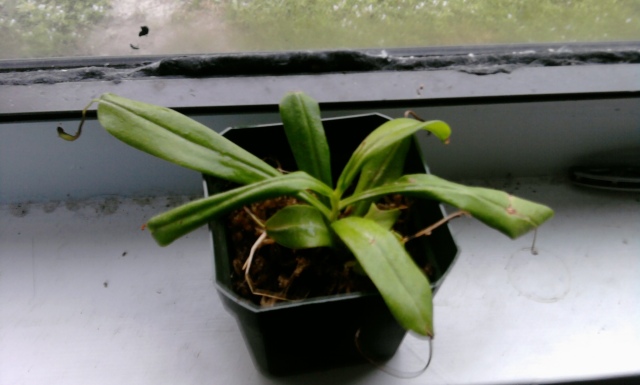
Nepenthes Based on the leaf shape (no pitchers visible), your plant is likely Nepenthes ventricosa—a hardy, beginner-friendly highland/intermediate species. Watering Guidelines Do not sit in standing water like bog pl
Copyright © www.100flowers.win Botanic Garden All Rights Reserved