
Finding a Double-Flowered Sarracenia for Zone 7: Look to Tarnok and Hybrids
An Oklahoma (zone 7) grower wanted a double-petaled pitcher plant like S. leucophylla Tarnok. Clarification: **petals are flower parts** – Tarnok has mutated, frilly flowers, not double petals per se. Zone 7 Options Al

Winter Dormancy for Sarracenia in a Basement: Light, Temp, and Timing
A Long Island, NY grower (zone 7) asked about basement dormancy for Sarracenia. The verdict: **Yes, it works – with caveats**. Dormancy Physiology Plants become **photoreceptive before/after winter** – need sun to time
Extreme Hard Water (2770 ppm) Kills Carnivorous Plants – Even RO May Not Save Them
A West Texas grower using RO-filtered water (source: 2770 ppm!) still saw blackening traps on VFTs and pitchers on Sarracenia. The math: **90-98% removal still leaves 55-277 ppm** – far above the 50 ppm safe limit. Imme
Venus Flytrap Traps Turning Black at Soil Contact: It's a Light Problem
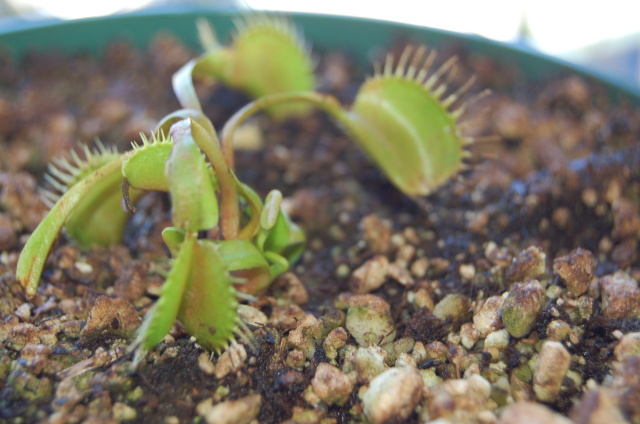
A Dionaea Big Mouth grown outdoors in Northern California had traps die wherever they touched the soil. The real issue: **only 4 hours of late-afternoon sun** – far too little. What Healthy Flytraps Look Like Short, wi
Is My Cape Sundew Dead? The Danger of Constant Condition Changes
A Cape sundew went from terrarium to open air to full sun to covered again – and turned black overnight. The cause: **shock from rapid, repeated environmental swings**. Why It Happened Plants need **2+ weeks** to accli
Germinating Drosophyllum (Dewy Pine) Seeds and Identifying Mystery Nepenthes
Drosophyllum lusitanicum seeds require specific germination protocols. The best resource: **BestCarnivorousPlants.com** – detailed guides on sowing, stratification, and cultivation. Mystery Nepenthes ID A TLC plant (unl
Nepenthes Yellowing Leaves: It's Not Always the Soil – Check Light, Water, and Temp
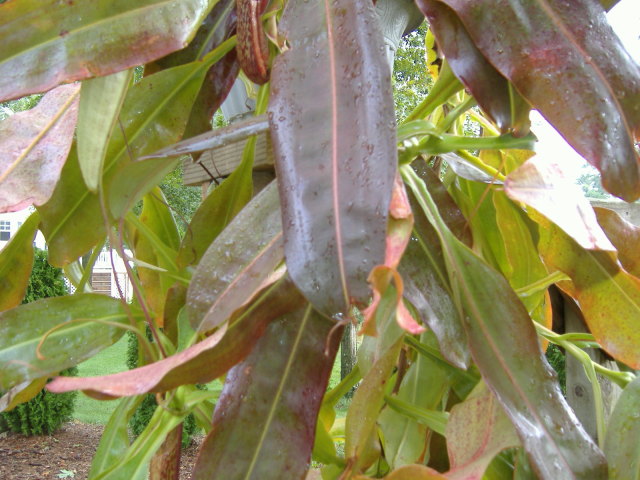
A Nepenthes repotted into fresh sphagnum/perlite developed yellow new leaves and dead patches on mature ones. The owner suspected soil, but the real culprits were likely **environmental**. Common Causes of Yellowing Ir
Reusing Soil from a Dead Cape Sundew? No – Start Fresh for Hygiene
If your Cape sundew died (even after just a week), **do not reuse the soil**. Pathogens, fertilizer residues, or chemical imbalances from the dead plant can kill the next one. Fresh Mix Recipe 1 part sphagnum peat moss
Exceptional Venus Flytrap Growth on a Windowsill: Luck or Skill?
Rare Microclimate Allows Windowsill Success A grower’s April supermarket VFT (5–6 traps) now has 150+ traps on a west windowsill with afternoon sun, fed weekly. No traps died yet; heavily fed ones blacken at edges. Most
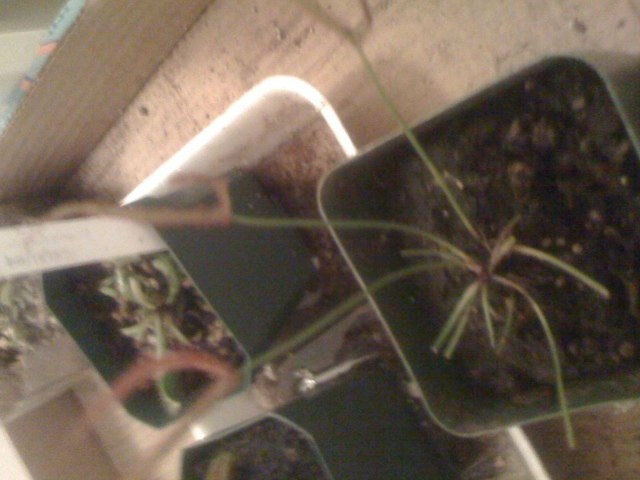
Reviving a Heat-Damaged Drosera Binata from Humidity Dome Baking
Humidity Dome in Full Sun Cooks the Plant A D. binata from California Carnivores lost dew and browned after 6 hours direct sun in 90–95°F, kept in a half 2-liter bottle with 1-inch water. Over 2 weeks, all but 1–2 leaves
Desk Lamp Lighting Insufficient for Tropical Carnivorous Plants
18W Fluorescent Desk Lamp Is Too Dim A grower asks if an 18W high-output fluorescent desk lamp (75W incandescent equivalent) can light beginner Nepenthes (sanguinea or ventrata) and D. adelae or capensis at a workplace.
Burying Bare Nepenthes Stems During Repotting
Burying Woody Stem Is Cosmetic, Not Harmful A grower wants to bury a 3-inch bare stem section when repotting a Nepenthes with a long woody stem. Stem Burial Is Fine but Temporary Nepenthes are woody vines; bark on lower
Fixing Droopy Leaves on Drosera Regia: Light and Temperature Issues
Insufficient Light and Warm Nights Cause Weak Growth A D. regia in a south window gets 1 hour direct sun, indirect rest of day, nights 70–75°F, in 50/50 peat/perlite with 1-inch water tray. Leaves are limp, dew dries by
Managing Algae and Fungus in Seedling Terrariums and Bog Gardens
Terrariums Favor Fungus Over Seedlings A beginner growing Drosera and Dionaea seeds in a terrarium and bog garden sees green algae/fungal growth. Asks if it harms seedlings, indicates overwatering, or if live sphagnum sp
Water Quality for Nepenthes Ventricosa: Distilled, Rain, RO, or Tap?
Low-Mineral Water Is Essential A new N. ventricosa owner asks what water to use and how to make it. Acceptable Water Sources Distilled, rainwater, and RO water are low in minerals. Tap water may work if naturally low-mi
Propagating Temperate Drosera by Dividing Hibernacula
Division Requires Multiple Resting Buds A grower asks if an American Drosera can be propagated by separating its hibernaculum. Separate Multiple Buds in Early Spring A hibernaculum is a single resting bud—cannot be divi
Caring for Newly Acquired Pinguicula Hybrids and Drosera Burmannii
Refer to Care Sheets for Detailed Requirements A Virginia grower received P. Aphrodite, P. Weser, and D. burmannii from a New Jersey grower. P. Aphrodite struggled in shipping. Time and SuperThrive Aid Recovery Place in
Growing Nepenthes Rafflesiana Giant in Florida: Indoor vs. Outdoor
Warm Climate Suits This Lowland Species An Orlando/Tampa area grower asks about growing N. rafflesiana Giant indoors on a windowsill or outdoors on a covered porch with 4–6 hours sun. Protect from Cool Nights and Frost
Recovering Australian Sundews from Terrarium Shock and Mold
Hardening Off Is Essential After Terrarium Life A grower has two Australian sundews (likely D. adelae and D. spatulata) that dry up within hours when removed from a terrarium. The large one now has mold/fungus despite Sa
Winter Mulching Strategy for Sarracenia Flava in Zone 7 North Carolina
Phyllodia Can Be Mulched or Exposed Based on Wind Exposure A Walnut Cove, NC (zone 7) grower asks if S. flava winter leaves (phyllodia) handle frost better, considering leaving them exposed for light while mulching the b
Copyright © www.100flowers.win Botanic Garden All Rights Reserved