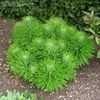

Nepenthes miranda Flowering Again: Remove Spikes to Avoid Odor and Encourage Vining
N. Miranda the tranny Nepenthes flowers smell like dirty socks. Remove spikes to avoid indoor odor. Consider cutting back the vine to force basal shoots—you can root the cutting for a new plant. Good Growing! Jacob Far

Rescuing a Death Cube Pinguicula primuliflora: Acclimation, Soil, and Species ID
Pinguicula Immediate Issues Acclimation shock: Sudden humidity drop shrivels leaves. Gradual 2-week transition needed. Wrong soil: Peat/sphagnum too wet. Use peat + perlite (1:1) or 1 peat:1 vermiculite:1–4 perlite for
Acclimating a Hardware Store Venus Flytrap to Outdoors in Zone 9: Timing Matters
Zone 9 varies: Desert Southwest may be okay now; Bay Area too cold. Safest: keep in sunny south window until spring, then acclimate outdoors after frost risk passes. Resource Care sheets at cobraplant.com/caresheets. G
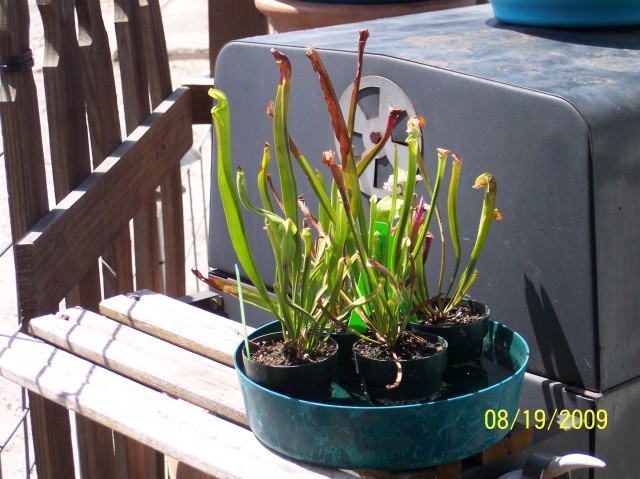
Sarracenia Pitcher Pruning: Aesthetic Preference, Not Physiological Necessity
Pitcher plants Pruning Rule Cut pitchers off when you cant stand looking at them anymore. No hard rule—some trim at first browning, others wait until fully brown. Digestion status irrelevant. Photo Assessment (Aug 20)
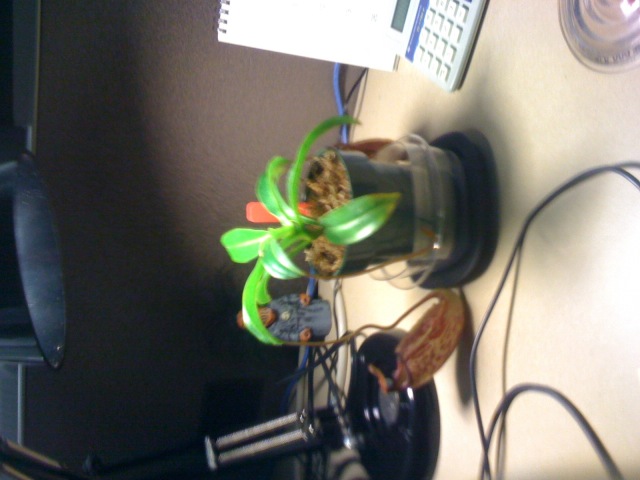
Office Nepenthes Lighting: 42W Compact Fluorescent Setup Evaluation
N. Hybrid Initial Assessment 42W (2600 lumens) at 6–7 inches is adequate for a small plant short-term. However: Increase photoperiod to 14+ hours/day. As plant grows (vines to 4+ feet), single bulb becomes insufficien
Venus Flytrap Dormancy in San Antonio (Zone 9): No Fridge Needed, Natural Pollination
Zone 9 winters provide natural dormancy—no refrigerator required. Mild winters need zero protection. Pollination Flytraps self-pollinate easily; insects also assist. Flowers bloom late spring; seeds ready late summer. C
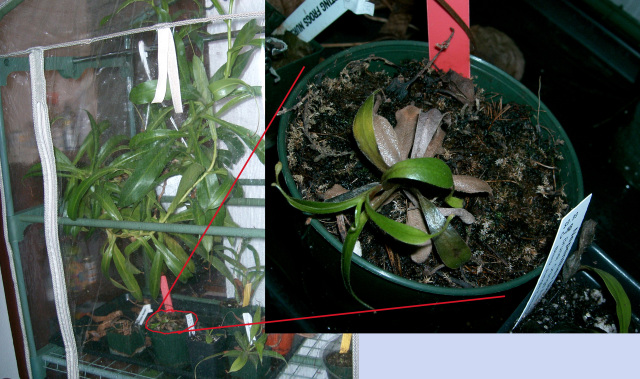
Rescuing a Declining Nepenthes lowii: Light, Soil, and Humidity Dome Therapy
N. lowii and greenhouse Immediate Issues Insufficient light: Lanky, pale growth needs more sun (bronze tints = healthy). Stop fertilizing: Sick plants cant utilize nutrients—causes burn. Repot & check base: Firm base =
Nepenthes rajah Planting Depth: Burying Woody Stem for Stability
Plant with the medium covering as much of the older stem as possible, especially if still green. This adds stability and may encourage adventitious roots (if stem isnt fully barked). Good Growing! Jacob Farin
Darlingtonia (Cobra Lily) Seed Germination: Outdoor Winter Stratification in New Mexico
Simple outdoor method: sow seeds in appropriate mix, leave pots outside all winter. Natural cold/moisture cycles provide stratification. No fridge needed. Resource DVD Volume 1 demonstrates this process. cobraplant.com/
Sarracenia purpurea ssp. purpurea in Zone 9: Dormancy Adequacy and Large Pot Soil Mix
Dormancy in Southern California S. purpurea ssp. purpurea prefers sub-20°F nights but grows fine in Zone 9 (high 20s°F nights, low 50s°F days). Northern growers get larger plants, but yours will thrive. Species Comparis
Feeding Ladybugs to Carnivorous Plants and Mulch Choices
Ladybugs are fine prey—their defensive chemicals dont harm CPs. Just avoid overfeeding (rotting prey browns pitchers). Mulch Recommendation Pine needles (store-bought or yard-collected) work well for winter mulch. Good
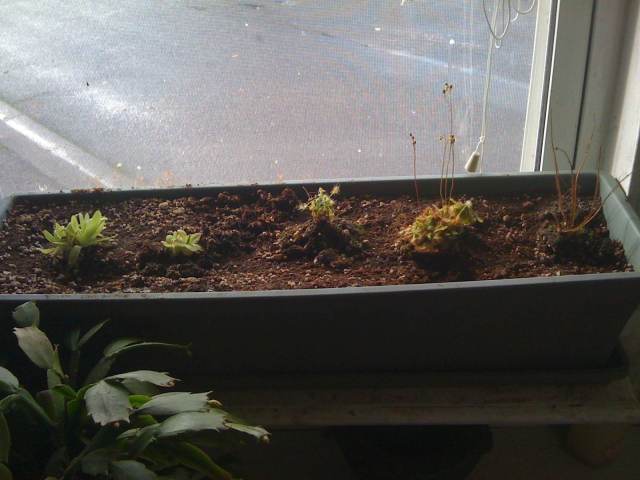
Coconut Fiber Soil Disaster: Why It Kills Sundews and Butterworts
Bug eater problems The Problem Coconut fiber is toxic to 90% of carnivorous plants (all except Nepenthes). Your sundews and Pinguicula are dying because of this medium. Immediate Fix Repot NOW into sphagnum peat + per
Nepenthes ampullaria: Terrarium Necessity Depends on Your Climate
N. ampullaria is a strict lowlander. Terrarium need varies by location: Tropical zones (S. FL, HI, PR): Terrarium unnecessary—grow outdoors. Temperate zones:65°F/18°C). Without Ideal Conditions Expect fewer pitchers
Venus Flytrap Trap Reopening Quickly: Dead Prey or Cold Trigger?
Two likely causes for traps reopening in <2 days: Dead prey: Traps need live insect struggle to seal fully and trigger digestion. Dead spiders dont stimulate. Recent cold exposure: Cool temperatures shut down digestion
Nepenthes Vine Cuttings: Upper vs. Lower Pitcher Production
Pitcher type on a rooted cutting depends on: Timing: Cut during upper pitcher phase → upper pitchers. Cut during lower phase → likely lower pitchers. Growth rate: Fast growers switch to upper pitchers quickly on new sh
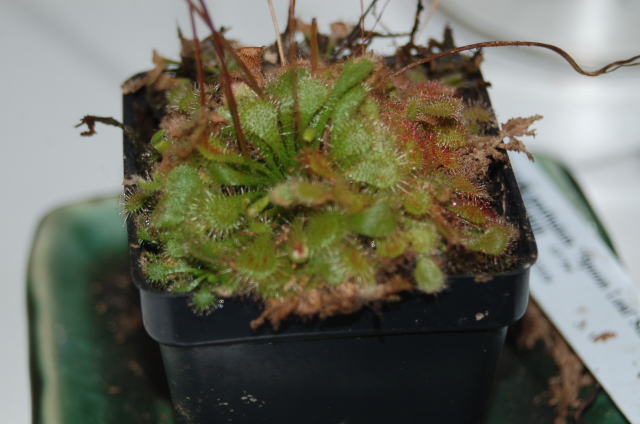
Repotting and Dividing Drosera spatulata: Soil Mix and Pot Size
Drosera spatulata Division Easy to separate clump into individual plants—work slowly to preserve roots. Soil Mix Peat moss + perlite (or pumice/washed sand). Do NOT use cocoa husks, potting soil, or buckwheat hulls.
Can Carnivorous Plants Catch Too Many Insects? Drosera adelae Case Study
D. adelae No—catching ~2 gnats/day is trivial. In summer, our sundews are speckled with hundreds of insects. No upper limit exists; plants simply stop producing dew if overwhelmed (rare). Resource DVD Volume 2 (releasi
Understanding Plant Clones: Sarracenia Northwest's Nepenthes rafflesiana
Yes, our N. rafflesiana is a clone—genetically identical plants produced via sterile laboratory tissue culture. What Clone Means All plants from the batch share identical DNA. Cloning (micropropagation) produces hundre
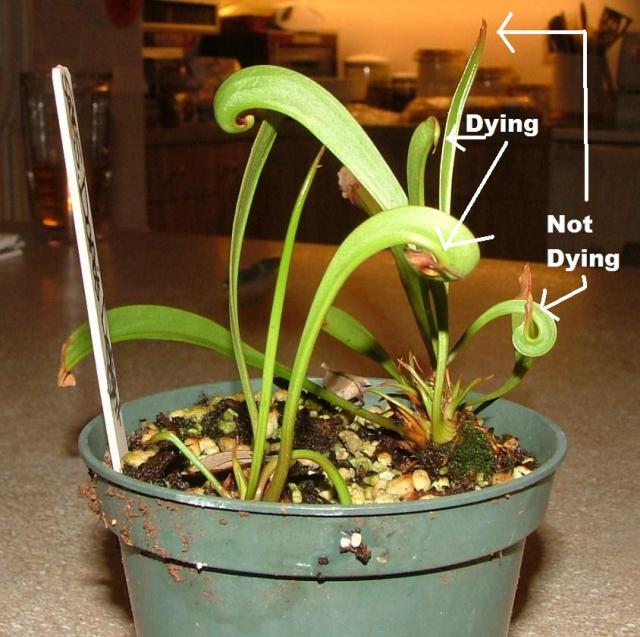
Sarracenia 'Dana's Delight' Abnormal Growth: Virus, Mislabeling, or Cultural Issues?
Danas Delight Example Initial Assessment Plant shows sickle-shaped non-carnivorous leaves, poor color, and dying pitchers—suggesting prior low light, dry soil, or excess fertilizer at the Ohio nursery. Your Growing Con
Overwintering North American Carnivorous Plants in Zone 5 Without a Garage: Mulch Method
Winter protection isnt about preventing soil freeze—its about preventing moisture loss from frozen leaves and insulating against rapid temperature swings. Effective Mulch Method Use bark, wood chips, pine needles, or s
Copyright © www.100flowers.win Botanic Garden All Rights Reserved