

Acclimating a New Nepenthes: Humidity Shock Recovery
Sudden browning after arrival = humidity shock. The nursery likely grew it in very high humidity. Immediate Care Contact original nursery for their acclimation protocol. Bright window with indirect light (no strong dir

Carnivorous Plants for Mosquito Control in Hot Climates: Reality Check
Carnivorous plants are fascinating but ineffective for mosquito control. Why They Dont Work Mosquitoes arent attracted to nectar (the lure used by CPs). CPs capture incidental insects, not targeted pests. Better Alte
Short Vacation Care for Nepenthes: Watering and Light Management
For a 3-day trip (Wed–Fri): Before leaving, soak pot in water for 10 minutes to fully saturate soil. Drain briefly, return to window. No light needed for a few days—plants tolerate darkness during shipping. Blinds/curt
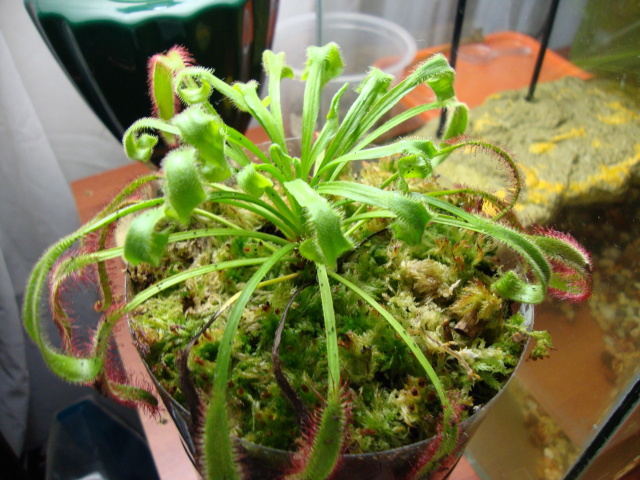
Reviving a Light-Starved Drosera capensis: Symptoms and Recovery
Drosera capensis Diagnosis No dew, white/curling leaves, dark spots = classic insufficient light. South window in summer may get less direct sun due to high sun angle. Recovery Plan Verify actual direct sun hours (nee
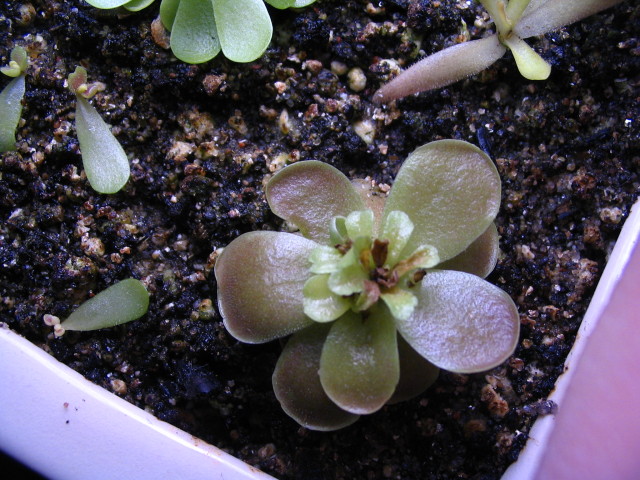
Pinguicula 'Florian' and 'Esseriana': Light, Dormancy, and Propagation Speed
Pinguicula Florian Issues Low light: Elongated, pale leaves need more sun (compact, colorful = happy). Winter dormancy: Naturally forms smaller, succulent-like rosette. Fixes Brightest possible location (south windo
Removing Dead Venus Flytrap Leaves During Dormancy
Clip off dead leaves and trap sections as they die during dormancy. This reduces mold risk spreading to the living rhizome. Christopher
Venus Flytrap Winter Dormancy in California: Algae, Leaf Browning, and Repotting Timing
Green growth on soil is likely algae or moss—harmless. Browning leaf edges in fall/winter are normal dormancy onset. Repotting Schedule Best time: early spring as dormancy breaks. Current medium: if its peat/perlite (n
Feeding Mealworms to Sarracenia and Nepenthes: Guidelines and Dormancy Caution
Both genera digest mealworms well, but follow these rules: One mealworm per plant per month maximum. Ensure worm fits easily in pitcher—oversized prey rots, causing pitcher browning. Never feed dormant plants (Sarracen
Ants in Carnivorous Plant Pots: Soil pH Damage and Water Barrier Solution
Ants nesting in pots alter soil pH with waste, weakening plants (especially flytraps). Combined with insufficient light (common indoors), plants decline rapidly. Solution Repot all affected plants in fresh peat/perlite
Separating Nepenthes Offshoots: When and How to Divide Basal Shoots
Nepenthes are woody vines; basal shoots often share the main stems vascular tissue. Only separate if the shoot has its own root system. Criteria for Division Visible independent roots on the offshoot. Can be done any t
Overwintering Mixed Carnivorous Plants in Brooklyn, NY (Zone 6-7)
Your trough contains all North American natives (D. filiformis, S. purpurea, flytraps, Scarlet Belle, Red Dragon). Theyre fully cold-hardy but need container protection. Winter Plan All will go dormant—leaves brown/die
Sarracenia in Portland, OR: Rhizome Tilt, Toilet Bowl Planters, and Cephalotus Availability
Rhizome Tilt Fix Heavy rains softened soil, causing rhizome to lean. Straighten it and add soil to anchor firmly. Toilet Bowl as Planter S-trap drainage maintains constant water level—actually a good system for Sarracen
Identifying Peat Moss in a Venus Flytrap Pot: No Surface Moss Needed
Peat moss is partially decomposed sphagnum—it looks like dark soil, not green moss. Our flytraps are grown in peat/perlite with no surface sphagnum. How to Verify Test soil pH: < 7 (typically 5–6) indicates peat. 7, i
Winterizing a Large In-Ground Bog Garden in Chicago (Zone 5)
For a 4×6 ft bog garden in Zone 5: Covering Strategy Layer 1 (on plants): New horticultural burlap (not used sacks—fungal risk). Spray burlap and plants heavily with sulfur fungicide. Layer 2 (insulation): Pine bark mu
Pinguicula 'Florian' and 'Esseriana': Dormancy, Light, and Propagation Timeline
Pinguicula Two Issues Affecting Florian Low light: Elongated, greenish leaves indicate insufficient light. Compact, colorful growth needs more sun. Winter dormancy: Mexican Pinguicula naturally produce smaller, succule
Cat Damage to Nepenthes Growth Point: Recovery and Prevention
If cats chew off the apical growth point (tip of the vine), that specific growing tip is lost. However, Nepenthes are resilient: What Happens Next Dormant buds lower on the vine will activate, producing new growth poin
Achieving Vibrant Color in Heliamphora minor x heterodoxa
Brilliant pistachio-green pitchers with bright red nectar spoons come from one thing: strong light. Lighting Recommendation Two-tube fluorescent shop light (2 × 40W cool-white tubes) works excellently. Keep close (few
Nepenthes rafflesiana Care: Lowland Requirements and Terrarium Limits
Your N. rafflesiana behavior (pitcher succession, browning after feeding) is normal. Key care points: Lowland Needs Temperature:65°F (18°C) nights. Humidity: High constant humidity preferred; tolerates moderate househo
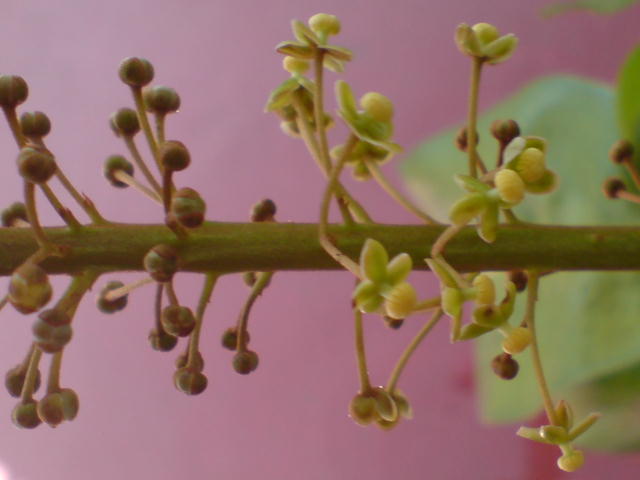
Nepenthes miranda Flowering and Leaf Loss: Normal Vine Maturation
Flowering Old leaves dying and reduced pitcher production during flowering are normal for mature Nepenthes. Whats Happening Vining species develop woody stems; lower leaves naturally die. Flowering diverts energy from
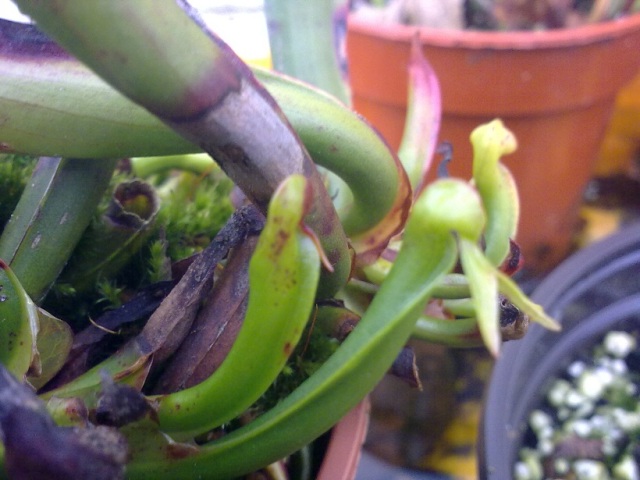
Diagnosing Purple Spots on Darlingtonia: Pot, Soil, and Companions Matter
Darlingtonia Purple spots on new pitchers, followed by die-back, suggest cultural issues. Key fixes: Repot This Winter Wide, shallow pot (cat litter pan with holes) – mimics natural seep habitats. Mix: Equal parts pea
Copyright © www.100flowers.win Botanic Garden All Rights Reserved