


Anthurium ‘Cleopatra’ Leaf Tip Burn: Salt Buildup or Overwatering
New leaves browning at tips, then yellowing and dying on a recently potted Anthurium usually indicates chemical burn from fertilizer salts or overwatering—not a pathogen. Immediate Fixes Stop fertilizing for 3–4 weeks

Pine and Spruce Needle Yellowing: Drought Stress, Not Just Fungus
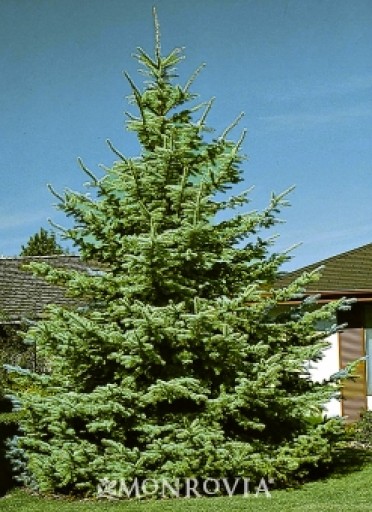
Widespread yellowing on multiple conifers (pine, blue spruce, shrubs) after a drought summer points primarily to environmental stress, not a single spreading disease. Diagnosis Steps Scrape bark on yellowed branches. G
Gardenia Pruning, Fertilizing, and Pest Recovery
Overgrown gardenias blocking a walkway can be pruned in early spring. They also need monthly feeding with an acid-loving plant fertilizer (azalea/gardenia formula). Pruning Time: Early spring, before new growth flushes
White Cottony Balls on Banana Plant: Mealybugs or Cottony Aphids
Cotton-like white balls on indoor banana plant leaves are almost certainly mealybugs or cottony aphids—sap-sucking insects that hide under white wax. Confirm It’s Insects Pierce a cotton ball with a toothpick. If liquid
Madagascar Jasmine Leaf Spots: Fungal or Bacterial Infection
Recessed tan spots with black edges on lower leaves of Madagascar jasmine (Stephanotis), plus yellowing and warping, indicate a fungal or bacterial leaf spot—not insects. Treatment Buy copper fungicide (e.g., Fertilome
Fungus Gnats in Fig Tree Soil: Dry the Surface to Eliminate Them
Tiny gnats hovering at the soil line of a potted fig tree are fungus gnats. They breed in the top inch of moist, organic-rich potting mix and are harmless to the plant unless larvae populations explode and chew roots. S
Ficus Tree Dripping Milky Sap: Likely Scale Infestation
An older ficus dropping milky, water-soluble sap (latex) onto floors and furniture, with 2/3 of the tree dead, almost certainly has a scale insect infestation. The “sap” is honeydew from feeding scales. Confirming Scale
Weeping Cherry Oozing Black Tar: Slime Flux or Borers?
Black, tar-like ooze from a weeping cherry trunk suggests either slime flux (bacterial wetwood) or borer damage. Slime flux is foul-smelling, frothy, and not usually fatal. Borer sap is thicker, and indicates tree stress
Shiny Hard Residue on Jasmine and Palm: Scale Insect Honeydew
A clear, hardened, shiny residue on leaves and surrounding surfaces—scratchable with a fingernail—is dried honeydew from scale insects. The insects themselves are small, oval, tan-to-brown discs attached to stems and lea
Sesame-Seed-Like Objects on Peace Lily: Scale Insects or Fertilizer Residue?
Small, sesame-seed-shaped objects on peace lily stalks and leaves are likely scale insects—not fertilizer spikes. Scale appear as immobile, oval bumps (tan to brown) that suck sap and excrete honeydew. How to Confirm T
Yellow-Brown Fungus on Aloe Vera After Heavy Rain: Slime Mold or Pathogen?
After heavy rain, aloe vera plants may develop a yellow-brown coating. If it rubs off easily and started slimy, it’s likely a slime mold—a harmless organism feeding on decaying organic matter in fresh mulch. How to Iden
White Foam at Pine Tree Base After Storm: Likely Ambrosia Beetle Dust
A sudden pile of white foam at the base of a large pine after heavy rain is likely sawdust from ambrosia beetles, washed down the trunk by rain. These beetles bore into stressed trees, pushing out fine, white frass. Wha
Meyer Lemon Leaf Curl and Webbing: Mites, Leafrollers, or Thrips?
Leaves that web, curl, and drop on a ground-planted Meyer lemon in Houston suggest either Texas citrus mite (winter pest) or leafroller caterpillars. Mites cause bronzing and fine webbing; leafrollers physically roll lea
Growing Citrus from Seed: What to Expect from Dwarf Lemon and Lime
Seeds from 20-year-old dwarf citrus may germinate and grow, but fruit quality is unpredictable. Most commercial citrus are grafted hybrids; seedlings revert to variable, often inferior traits. Key Considerations Geneti
Controlling Apple Powdery Mildew: Cultural and Chemical Strategies
Apple powdery mildew thrives in humid, shaded conditions. Management combines resistant varieties, cultural practices, and timely fungicide sprays. Resistant Varieties Avoid highly susceptible cultivars: Jonathan, Grann
Mystery White Balls in Palm Pot: Fertilizer Pellets or Pests?
Tiny white balls covering the soil of a potted palm are often slow-release fertilizer pellets—not pests. They’re off-white, smooth, and uniform, and persist for months. How to Tell the Difference Fertilizer pellets: Ha
Spider Mites on Indoor Rose: Systemic Treatment for Long-Term Control
Webbing and tiny white creatures on rose leaves indicate spider mites—a common indoor pest that explodes in dry, heated environments. Immediate Steps Move plant outdoors (if weather permits) and spray with insecticidal
Dahlia Leaf Curl: Overwatering, Not Disease
Mature dahlia leaves curling downward and browning while new growth stays upright is a classic sign of overwatering. The crown begins to rot, cutting off water to older leaves. Correct Watering Practice Water thoroughl
Citrus Fruit Splitting and Papery Skin After Drought-Breaking Rains
After years of drought, sudden heavy rain causes citrus trees to rapidly absorb water, splitting fruit and turning skins pale, then papery. The tree pulls water from fruit to survive drought; when water returns, fruit sw
Kwanzan Cherry Oozing Sap: Bacterial Canker or Mechanical Injury?
Clear, spongy, whiskey-smelling ooze at the base of a Kwanzan cherry suggests bacterial canker (Pseudomonas syringae). If it smells fermented, bacteria are fermenting sap inside the trunk. Diagnosis Steps Smell the ooz
Copyright © www.100flowers.win Botanic Garden All Rights Reserved