


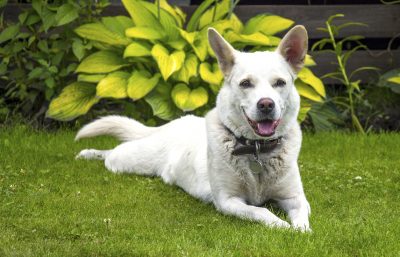
Dogs and gardens can coexist beautifully. Dogscaping means designing a landscape that accommodates your dog’s natural behaviors—running, digging, patrolling, lounging—while keeping the yard attractive and functional for humans.
Watch your dog for a few days. Note: Where does she run? Dig? Urinate? Nap? Do patterns change with time of day or season? This map guides every design decision.
Dogs dig and roll in cool soil to lower body temperature. Provide a designated cool zone: a shady patch of tough groundcover (thyme, moss, clover), a shallow water feature, or a kiddie pool. Place the water bowl in shade.
Increase exercise and mental stimulation. Remove grubs from lawn. Build a sandbox, bury toys/bones, and train the dog to dig there.
Embrace it. Build a formal 18–24 inch wide path along the fence line using compacted soil, decomposed granite, or stepping stones. Screen it with 2-foot evergreen shrubs (boxwood, dwarf yaupon) so it’s hidden but accessible.
Eliminate breeding grounds: rake leaf litter, remove weeds, fix boggy drainage. Beneficial nematodes can treat soil organically.
Remove toxic plants (check ASPCA list). Offer safe chew alternatives. Supervise puppies.
Tackle one issue at a time. The result: a resilient, beautiful yard where both species thrive.
Bonsai Design Principles: Shaping, Wiring, and the Long Journey to Mastery
Swimming Pool Leak Repair: Detection Tips & Professional Solutions
Practical Lawn Care: Simple Strategies for a Beautiful Yard
Uplighting Trees and Gardens: Fixtures, Placement, and Plant-Safe Lamps
Full Sun Gardening: What It Really Means and How to Plan for It
Thriller Filler Spiller: The Pro Formula for Container Garden Design
Colonial Garden Design: Create a Historical Kitchen Garden with Heirloom Plants
Landscape Software for Arthritis-Limited Gardener
Selecting a UK Landscape Gardening Company: Bristol-Focused Due Diligence
Essential Tips for a Stunning Landscape Design
Garden Gnomes: History, Folklore, and Creative Placement Ideas
Attract Dragonflies: Mosquito-Eating Aerialists for Your Garden
Choosing the Right Conifer: Size Classes and Container Strategies
Reclaiming an Overgrown Historic Landscape: Step-by-Step with Kids
Copyright © www.100flowers.win Botanic Garden All Rights Reserved