


Dove Tree, also called Handkerchief Tree or Ghost Tree, is one of the world's most enchanting flowering trees. Native to central and western China, Davidia involucrata (family Davidiaceae) is the sole species in its genus, famed for its pairs of large, white, petal-like bracts that flutter like handkerchiefs or doves in the breeze.
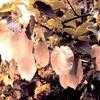
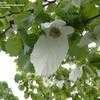
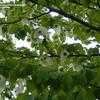
In mid to late spring, the tree produces small, reddish-purple flower heads (each about ¾ inch) subtended by two large, unequal, white bracts—one 3-4 inches, the other 6-7 inches long. These bracts are not petals but modified leaves; they flutter in the slightest breeze, creating a ghostly, ethereal effect. The leaves are broad, heart-shaped, 4-6 inches, toothed, bright green. The fruit is a hard, ridged drupe on a long stalk.
| Family: | Davidiaceae |
| Genus: | Davidia (duh-VID-ee-uh) |
| Species: | involucrata (in-vol-yoo-KRAY-tuh) |
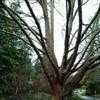
Dove Tree grows 20-40 feet tall with a broad, pyramidal crown. It prefers full sun to part shade, moist, well-drained, fertile soil, and protection from strong winds (which damage the bracts). It's hardy to zone 6. It's slow to flower from seed (10-20 years); grafted plants flower in 5-8 years.
Discovered by French missionary Père Armand David in 1869, it was introduced to cultivation by Ernest Wilson in 1904. It's a "living fossil" with no close relatives. In the landscape, it's a supreme specimen tree for arboreta, large gardens, and collectors. The cultivar 'Sonoma' flowers younger. A tree of mythic beauty that justifies the wait.
Joshua Tree (Yucca brevifolia): Mojave Desert Icon
Grass Tree (Xanthorrhoea nana): Dwarf Australian Grasstree
Tulip Poplar (Liriodendron tulipifera)
Camphor Tree (Cinnamomum camphora)
Brazilian Pepper Tree (Schinus terebinthifolius)
Neem Tree (Azadirachta indica): Miracle Tree of the Tropics
Orchid Tree (Bauhinia monandra): Butterfly Leaves and Pink Flowers
Sapphire Dragon Tree (Paulownia kawakamii): A Rare Taiwanese Tree with Violet Flowers
The Cocoa Tree (Theobroma cacao): From Tropical Forest to Chocolate Bar
Chaya (Cnidoscolus chayamansa): Nutritious Tree Spinach of the Maya
Tropical Almond (Terminalia catappa): Coastal Shade Tree with Edible Nuts
Gold Medallion Tree (Cassia leptophylla): Spectacular Summer Blooms
Quiver Tree (Kokerboom): Namibia's Iconic Desert Aloe
Japanese Tree Lilac: Fragrant Ivory Plumes on a Tough Urban Tree
Copyright © www.100flowers.win Botanic Garden All Rights Reserved