


Japanese Maples in Zone 5: Winter Survival Tips
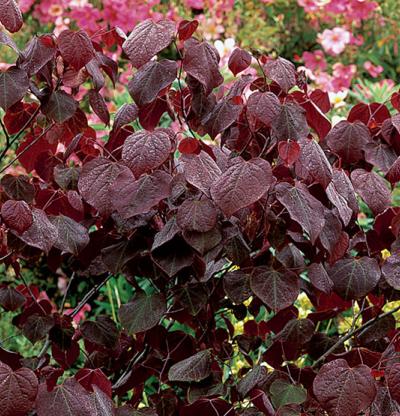
Yes, Japanese maples (Acer palmatum) are hardy to USDA Zone 5 (-20 °F to -10 °F). In northeastern Ohio (Zone 5), established trees routinely survive -10 °F snaps with minimal protection. Critical Winter Care Mulch the

Starting Bell Peppers from Seed: Prep, Timing & Seed Saving
Bell peppers germinate slowly (14–21 days) and need warmth. Skip the nicking and soaking—just sow indoors 6 weeks before your last frost. Seed Preparation: Keep It Simple Unlike large seeds (sunflowers, beans), pepper s
Where Do Seedless Tomato Seeds Come From?
Seedless tomatoes aren’t magic—they’re the product of decades of traditional hybridization. Breeders cross two distinct tomato lines, selecting for a genetic trait called parthenocarpy (fruit set without fertilization).
Growing Okra in Cool Climates: A Seattle Gardener’s Guide
Okra loves heat. Seattle’s cool, short summers make it a stretch, but with the right microclimate and variety you can still harvest pods. Choose a Cold-Tolerant Variety Look for cultivars bred for shorter seasons: ‘Clem
Accidental Miracle-Gro Use: Are My Tomatoes Still Organic?
You started tomato seeds in organic potting mix, then transplanted two seedlings into Miracle-Gro Moisture Control soil. The short answer: those two plants are no longer certifiably organic because the mix contains synth
Potato Yield: Comparing True Seeds, Sprouts, Cuttings, and Tubers
Starting potatoes from different propagules—true seeds, sprouts, cuttings, or whole tubers—affects the timeline more than the final yield. The harvest size ultimately depends on soil quality, potato variety, and growing
Growing Rhubarb from Seed in Tropical Belize
Rhubarb prefers cool climates but can be tried in Belize with care. Tropical Adaptation Start seeds in shade, cool location (AC room if possible). Transplant at 4–5 to pots with rich, moist, well-drained mix. Provide af
Pruning a Large Tangerine Tree in Jacksonville, FL
Prune now (late winter/early spring) during semi-dormancy. Reduce height by cutting to lateral branches; thin interior for light penetration. Pruning Steps Remove dead, crossing, rubbing branches. Cut back tall leaders
Indoor Apartment Vegetable Gardening: Best Crops and Cat-Proofing
Low-light apartments suit leafy greens and herbs, not fruiting crops. Best Choices Lettuce, spinach, chard, kale (baby leaf). Herbs: basil, parsley, cilantro, mint, chives. Microgreens (7–14 day harvest). Setup Essenti
Coffee Grounds in the Garden: Fast Compost, Free Fertilizer
Used coffee grounds (including espresso) decompose quickly, add nitrogen, and improve soil structure. Many cafés give them away free. Uses Direct mulch: thin layer (½) around plants. Compost accelerator: mix into pile (
Saving Heirloom Pumpkin Seeds: Cross-Pollination Safety
Cross-pollination with poisonous gourds is extremely unlikely. Requires:1. Gourds within 50 feet.2. Simultaneous flowering.3. Shared pollinators.Even if crossed, only seeds carry mixed genetics—fruit flesh remains safe.
Watering Heirloom Paste Tomatoes for Thicker Sauce
Excess water dilutes tomato solids. For concentrated flavor and less juice: Water 1 per week until fruit sets. Then reduce gradually; stop 2–3 weeks before harvest. Mulch heavily to stabilize moisture. If Still Too Jui
Overcrowded Chili Pot: Start Fresh with Proper Spacing
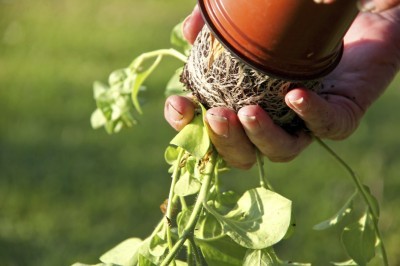
35 stems in one pot = severe competition. No flowers/fruit due to root binding and lack of pollination. Restart Plan Sow fresh seeds in individual cells. Transplant at 5 to 1-gallon pots (one plant each). Hand-pollinate
Propagating Potatoes from Tubers: Cut, Cure, Plant
Grocery potatoes are treated to inhibit sprouting and may carry disease. Certified seed potatoes are best, but store-bought can work. Steps Cut into pieces with 2–3 eyes each. Air-dry 1–2 days (or dust with sulfur) to p
Buying Seeds for a 5,000 Sq Ft Organic Garden: Sources and Value
Trusted online sources: Park Seed, Burpee, Johnnys Selected Seeds. All offer organic lines, free catalogs, and detailed growing info. Organic vs. Conventional Seed Organic seed comes from organically grown parents, untre
Black Stem on Jalapeno: Likely Fungus, Not Fatal
Blackened stem sections at branch points often indicate a minor fungal issue. Leaves stay green; plant continues growing. Management Spray with copper-based fungicide or neem oil. Avoid overhead watering. Improve air ci
Vegetable Soil pH Chart and Adjustment Basics
Most vegetables prefer pH 6.0–7.0. Use this chart for specifics: [link]. Adjusting pH Too acidic (<6.0): add garden lime. 7.5): add elemental sulfur. Test annually; amend in fall for spring planting. Proper pH unlocks
Growing Tomatoes in Texas Heat: Containers, Shade, and Water
Insulating roots helps, but consistent moisture and shade are more practical in extreme heat. Hot Weather Protocol 50% shade cloth during 100°F+ spells. Daily deep watering (early morning). Fertilize every 10 days with
Third-Grader's Lima Bean: Keep It in a Pot Indoors
Lima beans need warm weather. If your yard isnt ready, keep it in a sunny window in a 6–8 pot with a stake. Indoor Care South-facing window, 8+ hours light. Water when top inch dry. Fertilize monthly with half-strength
DIY Potting Mix and Seed Starting for Bell Peppers in Oregon
For 5-gallon containers: equal parts loam, compost, coarse sand + bone meal. Same mix works for seed starting. Seed Starting Steps Fill 2 pots with damp mix; sow 2 seeds ½ deep. Cover with plastic; remove at first sprou
Copyright © www.100flowers.win Botanic Garden All Rights Reserved