

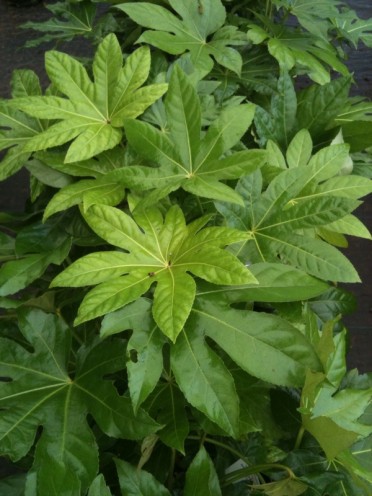


Identifying Kaffir Lime (Makrut) for Thai Cooking
The plant your father enjoyed in Thailand is Kaffir Lime (Citrus hystrix), called Ma-krut in Thai. The aromatic leaves and zest are used; the juice is less common in cooking. Growing Tips Container-grow in zones 9+; bri

Growing Tomatoes in Pots in Arizona: Pot Size, Soil, Water, and Sun
10x12 pots are marginal for tomatoes; 5+ gallons (14+ diameter) is better. One plant per pot. Key Practices Organic potting mix or 1:1:1 topsoil/compost/sand. Water deeply only when needed; force roots down. Monthly hig
Fencing and Netting Strategies for a Wildlife-Heavy Garden in Connecticut
With deer, burrowers, and birds on 2 wooded acres, layered defenses are essential. Deer Fencing 8-foot woven wire or 6-foot slanted outward fence. Double 4-foot fences 4 feet apart (deer wont jump both). Burrower Prote
Protecting Tomatoes from Rodents and Iguanas in Florida
Half-eaten tomatoes with no debris suggest rats, squirrels, or iguanas. A physical barrier is most reliable. Effective Barriers 1/2 hardware cloth cage around each plant or bed. Bird netting draped over supports, secure
Container Tomato Care in Oklahoma: Fertilizer, Water, and Heat Management
For container tomatoes in Oklahomas heat: Monthly high-phosphorus fertilizer (e.g., 5-10-5). Water deeply when top 2 inches dry; avoid daily light sprinkling. Full sun, but move to afternoon shade when temps exceed 90°F
Troubleshooting Tomato Seedlings: Pale Leaves, White Spots, and Fertilizer Schedule
Pale leaves with gray-white spots suggest either overwatering, insufficient light, or early powdery mildew/spider mites. Diagnosis Steps Check leaf undersides for tiny red mites or fine webbing. If no mites, treat as po
Roto-Tilling Around Volunteer Tomatoes: Weed Control Without Losing Plants
Tilling will kill volunteer tomato roots. Instead, work around them and use straw mulch to suppress weeds. Better Approach Till the open areas of the bed. Leave volunteer tomatoes undisturbed. Lay straw flakes 4–6 inche
What Are Cole Crops? The Brassica Family Guide
Cole crops are cool-season vegetables in the mustard family (Brassicaceae), all derived from wild cabbage. They share similar growing needs and pests. Common Cole Crops Broccoli, cauliflower, cabbage, Brussels sprouts K
The Ideal Soil for Established Vegetable Gardens: Loam and Organic Matter
Loam—40% sand, 40% silt, 20% clay—offers optimal drainage, moisture retention, and aeration. Few gardens start with perfect loam, but all improve with organic matter. Annual Improvement Add 2–4 inches of compost, leaf m
Choosing Truly Organic Potting Soil and Pot Size for Peppers
Bagged organic mixes vary in quality. The simplest guarantee: blend your own from plain topsoil and composted manure or chicken litter. DIY Organic Mix 1 part screened topsoil 1 part compost or aged manure 1 part coarse
Growing Spaghetti Squash in a Kiddie Pool and Using a Sunroom
A sunroom protects crops from pests and extends the season, but monitor temperatures—over 90°F can sterilize pollen and stress plants. Kiddie Pool Container Drill ½ drainage holes every 6 inches around the bottom edge.
Maintaining Soil Fertility After a Successful First Year
Sheep manure gave you a great harvest. To sustain it, replenish organic matter annually—nutrients are consumed and leached each season. Annual Amendment Routine Add 2–3 inches of compost, aged manure, leaf mold, or peat
Interplanting for Maximum Yield per Square Foot
Efficient space use combines crops with complementary root zones, nutrient needs, and harvest times. Winning Combinations Deep + shallow roots: Carrots or beets with lettuce, spinach, or radishes. Heavy + light feeders:
Growing Sweet Potatoes in Northern Minnesota: Slips, Timing, and Deer Resistance
Sweet potatoes are grown from slips (rooted sprouts), not seed tubers. Start slips indoors 6–8 weeks before last frost, or purchase certified slips. Northern Growing Tips Choose 90–100 day varieties (Beauregard, Georgia
Raised Bed Near Pine Trees: Managing Acidity and Shade
Pine needles lower soil pH, but vegetables prefer neutral pH (6.5–7.0). A bed 5–10 feet from pines can work with monitoring and amendments. Soil pH Management Test soil each spring with a kit or meter. If pH drops below
Diagnosing Sudden Tomato Decline in Zone 5a: Disease vs. Frost
Healthy 30–45 day old tomato plants in Denver suddenly develop drooping lower leaves, thinning stems, and leaf loss. Two primary causes fit this timeline. Possibility 1: Tomato-Specific Diseases Verticillium wilt, early
Habanero Pepper Germination: Timeline, Depth, and Temperature
Habanero seeds typically sprout in 10–14 days at 75–85°F soil temperature. Planting 1 inch deep slows emergence; ½ inch is ideal. Optimizing Germination Use a heat mat set to 80°F. Cover trays with a humidity dome until
Indoor Tomato Seedlings Wilting: Troubleshooting Fertilizer, Temperature, and Disease
When 250+ indoor tomato seedlings suddenly droop, thin, and weaken—without discoloration—several indoor-specific factors could be at play. Likely Culprits Over-fertilization: Miracle-Gro, Epsom salt, and seaweed compoun
Extending the Tomato Season in the Northeast by Planting Early
Planting tomatoes before Mothers Day in the Northeast can lengthen your harvest, but cold nights are the main risk. Safe Early Planting Strategies Wait until night temperatures consistently stay above 40°F. Use wall-o-w
Growing Pumpkins in Containers: Vine Management Tips
A pumpkin vine will happily sprawl from a pot onto concrete or grass. The plant doesnt mind the surface, but you should guide it to avoid tripping hazards and ensure good air circulation. Directing Growth Place the pot
Copyright © www.100flowers.win Botanic Garden All Rights Reserved