
Zucchini Blossom-End Rot: Soil Fungus Management and Crop Rotation
Why Your Zucchini Rot at the Blossom End Yellowing, stunted zucchini fruit that rot before reaching harvest size typically indicate blossom-end rot driven by soil-borne fungi—common in beds where cucurbits repeat annuall

Tomato Ripening Timeline: From Flower to Edible Fruit
How Long Until Your Tomatoes Turn Red? Tomato ripening varies by variety and weather, but understanding the stages helps set realistic expectations. Variety-Dependent Development Early varieties (e.g., Early Girl, Stup
White Growth on Tomato Stems: Identifying and Treating Powdery Mildew
Those White Bumps Are Likely Powdery Mildew Tiny white structures with dark tips on lower tomato stems indicate early powdery mildew—a common fungal disease in humid, crowded container gardens. While rarely fatal, it red
Greenhouse Pepper Problems: Heat Stress, Yellowing, and Pest Management
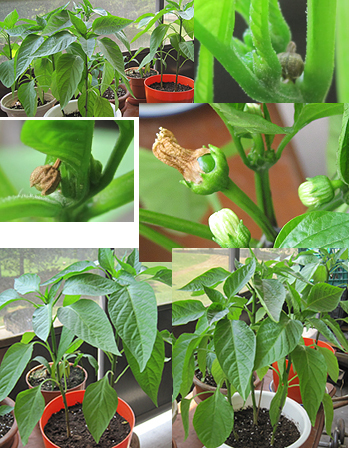
Diagnosing Yellow, Droopy Greenhouse Peppers Six to eight-inch pepper seedlings turning yellow and drooping in a greenhouse typically signal environmental stress—most commonly excessive heat and/or nutrient deficiency.
Blossom-End Rot on Tomatoes: Causes, Prevention, and Calcium Management
Black Bottoms on Tomatoes? Its Blossom-End Rot Those dark, sunken lesions on tomato bottoms arent a disease—theyre a physiological disorder caused by calcium deficiency during fruit development. In EarthBox containers an
Growing Healthy Eggplants and Tomatoes: Seasonal Timing and Fertilizer Strategies
Fall Planting for Better Warm-Season Crops Attempting to start eggplants and tomatoes in summer heat often leads to poor germination and stressed seedlings. In most regions, the optimal window for these crops has passed—
Slow-Growing Jalapeños in Pots: Diagnosing Stunted Pepper Seedlings
Why Your Potted Jalapeños Are Lagging Behind Seven-week-old jalapeño seedlings stuck at 3-4 inches while other plants flourish signal a container-specific problem. In hot, humid conditions (90s°F), potted peppers face un
Why Your Bell Peppers Aren't Blooming: Troubleshooting Guide for Northern Alabama Gardeners
Bell Pepper Bloom Failure: Common Causes and Solutions If your bell pepper plants are growing vigorously but refusing to bloom—while other varieties like cowhorn, banana, and Tabasco peppers thrive nearby—youre likely de
Spaghetti Squash Ripeness: Orange or Pale, Firm Is Key
Most turn orange; some varieties stay pale yellow. Harvest when rind is hard (resists nail) and stem dries. Harvest 4–6 lbs typical. Cut with 2 stem. Cure 10 days warm/dry. Color varies; firmness is universal signal.
Single Pepper Plant Not Fruiting: Shake for Pollination
Peppers self-pollinate but need vibration. One plant is fine. Triggers Shake plant daily during bloom. Reduce nitrogen fertilizer. Water weekly (deep). Buds will swell after pollen release.
Mushrooms in Desert Garden: Harmless, Indicates Moisture
Mushrooms/toadstools in veggie beds = fungal decomposers, not plant pathogens. They signal wet soil. Management Remove visible mushrooms (dont eat). Reduce watering frequency. Improve drainage. They wont poison carrots.
Jacksonville FL Peppers Dropping Leaves: Fungus or Hunger
Leaf drop + no fruit = fungal issue or underfeeding. Fix Organic fertilizer worked in lightly, watered in. Copper fungicide if spots present. Butternut squash: let it run; dont prune vines. Squash vines need length for
Shady Garden (4 hrs sun): Afternoon Sun Crops
4 hours afternoon sun supports: eggplant, beans, peppers, herbs, leafy greens. Fall Start Cool-season crops in shade: spinach, lettuce, kale, radishes. Plan full-sun beds for tomatoes, squash next year. Match crop to l
Square Foot Tomatoes No Fruit: Fertilize for Flowers
No flowers = no tomatoes. Plants need bloom-triggering nutrients. Action Apply high-phosphorus fertilizer at root zone. Water in thoroughly. Watch for flowers in 1–2 weeks. Square foot beds drain fast; fertilize more o
Container Cucumber & Tomato: Skip Eggshells/Coffee, Use Real Fertilizer
Eggshells, coffee, Epsom salt are supplements, not complete fertilizer. Use balanced organic feed. Container Fixes Dont prune tomato leaves (except dead). New soil each year prevents disease. Heavy rain delays ripening—
First Garden in Hawaii: Tropical Advantages
Hawaiis moderate climate allows year-round growing. Full sun is intense; some crops appreciate afternoon shade. Tips Build soil with compost, cinder, manure. Drip irrigation + timer. Easy starts: lettuce, kale, herbs, t
White Cucumbers: Shade, Rain, or Variety?
Pale/white cukes = leaf shading, excess rain leaching nutrients, or white variety (e.g., Cucumber Pearl). Diagnosis If leaves cover fruit → thin foliage. If rainy → high-P fertilizer. If variety → enjoy; flavor same. S
Sweet Pepper Problems: Aphids and Blossom Drop
Thick, bubbled, curling leaves = aphids. Blossom drop = fungus or heat. Two-Pronged Fix Aphids: spray insecticidal soap or neem on undersides. Blossoms: copper fungicide + bloom-set hormone spray. Water deeply, mulch, h
Blossom-End Rot on Tomatoes: Classic Calcium/Water Fix
Brown bottoms = blossom-end rot from uneven water or low calcium. Standard Remedy Deep water 1–2x/week (1.5 total). Crushed eggshells in soil. Epsom salt spray (1 tbsp/gal) weekly. Heavy mulch. Planting hole: 1–2 tbsp E
Zucchini Fruit Rot and Beet Leaf Yellowing: Fungus and pH
Zucchini rot + beet interveinal yellowing = likely fungal issue + nutrient lockout from pH imbalance. Treatment Copper fungicide on both crops. Test soil pH; target 6.0–6.5. Calcium amendment if low. Fertilize every 15
Copyright © www.100flowers.win Botanic Garden All Rights Reserved