
Brown Spots on Potted Peppers: Disease from Overwatering
Diagnosing and Fixing Pepper Problems in Containers Brown spots on peppers after transplanting to pots usually indicate disease exacerbated by overwatering. Immediate Corrections Water only when top soil is dry—max twi

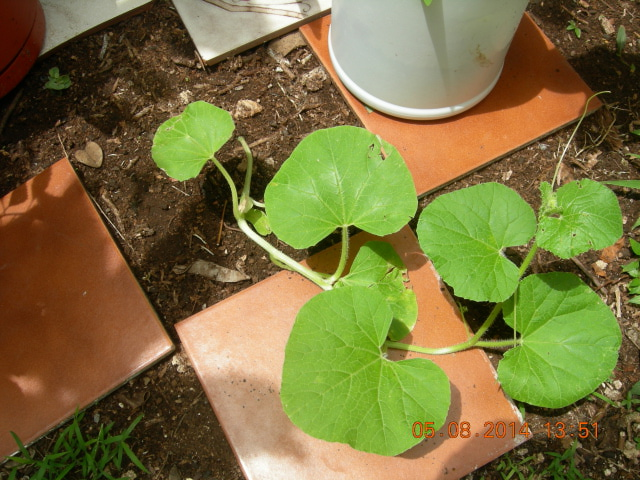
Protecting Cantaloupe from Leaf-Cutting Ants in Tropical Climates
Integrated Pest Management for Tropical Vegetable Gardens Leaf-cutting ants can defoliate plants overnight in tropical regions. Physical Barriers Raised beds with fine mesh screening. Greenhouse or screened enclosures.
Using Pine Needles as Pathway Mulch in Vegetable Gardens
Acidity Management When Mulching with Pine Straw Pine needles make excellent pathway mulch but slowly acidify soil as they decompose. Mitigation Strategies Apply garden lime on bed edges adjacent to paths. Test soil pH
Low Pumpkin Yield: Pollination and Fertilizer Fixes
Why Healthy Vines Produce Few Pumpkins Lush vines with abundant blossoms but only 4 pumpkins from 3 plants indicate pollination or nutrition issues. Pollination Solutions Attract bees with sunflowers, marigolds, cosmos
Potato Plants Producing Tomato-Like Fruit: Solanaceae Surprise
When Potatoes Form Green Cherry Tomatoes Potatoes and tomatoes are both Solanum species. Potato plants occasionally produce small, green, tomato-like fruits (true botanical fruits) after flowering. What They Are These a
Preventing Tomato Blight with Crop Rotation and Solarization
Breaking the Blight Cycle in Upstate New York Gardens Tomato blight persists in soil for up to 3 years. Black plastic burning in cool climates is ineffective. Proven Strategies Rotation: Move tomatoes to a new area for
Identifying and Treating Tiny White Worms in Butternut Squash
Organic Control for Squash Vine Borers or Mealybugs Tiny white worms in young butternut plants are likely squash bug larvae or mealybugs. Best Organic Treatment Bacillus thuringiensis (BT) powder is highly effective aga
Untreated Cedar for Raised Beds: Safe and Durable
Why Cedar is an Excellent Choice for Organic Growing Boxes Untreated cedar is ideal for raised beds and growing boxes. Benefits Naturally rot-resistant—lasts 10+ years without treatment. No chemical leaching into soil.
Growing Broccoli and Cauliflower in Kansas
Cool-Season Brassicas for the Kansas Climate Broccoli and cauliflower thrive in Kansas with proper timing and soil preparation. Soil and Planting Cool, well-drained, loamy soil, pH 6.0-6.8. Amend with compost, aged man
Planting Two Pumpkin Varieties Together: Cross-Pollination Risks
Why Separating Pumpkin Varieties Matters for Seed Saving Planting saved seeds (unknown variety) alongside Connecticut Field in limited space risks unpredictable results. Cross-Pollination Effects Squash family members c
Why Your Asparagus Bed Declined After 30 Years
An asparagus bed that thrived for decades then dwindled to pencil-thin spears likely reached its natural lifespan of 15–20 years. Your 1992 planting had a remarkable run. The sawdust mulch (yellow pine) applied two years
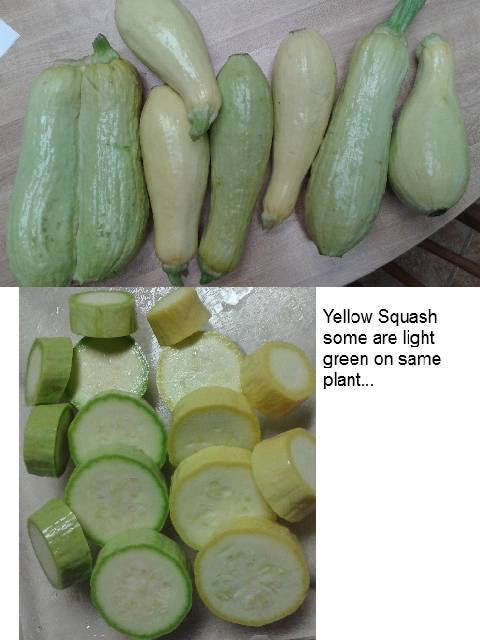
Green Stripes on Yellow Squash: Cross-Pollination or Maturity?
Understanding Color Changes in Summer Squash Yellow squash developing green stripes or patches often raises cross-pollination concerns. Normal Maturation Many yellow squash varieties naturally show green tinting or stri
Curing and Storing Sweet Potatoes from Container Harvests
Small-Scale Curing for Apartment-Grown Sweet Potatoes Without a heated curing room, home growers can still sweeten and store sweet potatoes. Simple Curing Method After harvest, dry tubers in warm (not scorching) sun for
Using Moisture Meters for Container Vegetable Gardening
Simplifying Watering Decisions with a Probe For beginners, a moisture meter removes guesswork, but the finger test works equally well. When to Water Water only when the top 3 inches of soil are dry. Water deeply until i
Treating Blossom End Rot in Container Tomatoes and Peppers
Rescuing Fruiting Plants from Calcium Deficiency Blossom end rot (black, sunken bottoms on tomatoes/peppers) indicates calcium uptake issues, often from irregular watering. Immediate Actions Apply liquid calcium (pharm
Container Tomato Yields: Understanding Celebrity Variety Size and Production
Realistic Expectations for Determinate Tomatoes in Pots Celebrity tomatoes in containers typically produce tennis-ball-sized fruit on the first flush, smaller on the second. They do not grow larger after turning red. Yi
Growing Giant Parsnips: Deep Soil and Fertility Secrets
Pursuing Record-Length Parsnips Growing 20-foot parsnips requires exceptional soil depth, fertility, and patience. Critical Factors Deep, Stone-Free Soil: Roots need unobstructed vertical space—at least 6 feet of loose
Organic Weed Control in Vegetable Gardens
Managing Weeds Without Chemical Sprays For vegetable gardens, organic methods are safest and often most effective long-term. Mechanical Control Pull weeds before they seed. For large areas, mow or weed-whack, then till
Commercial Greenhouse Tomato Production in Tropical Climates
Starting a Year-Round Tomato Operation in Africa Establishing a 5-hectare commercial tomato greenhouse in a tropical African country requires careful planning. Key Considerations Climate & Seasons: Determine if greenho
Protecting Gardens from Bird Damage
Humane Strategies to Deter Birds from Eating Seeds and Seedlings Birds can devastate newly planted seeds and tender shoots. While scarecrows have limited effectiveness, several practical methods help. Physical Barriers
Copyright © www.100flowers.win Botanic Garden All Rights Reserved