


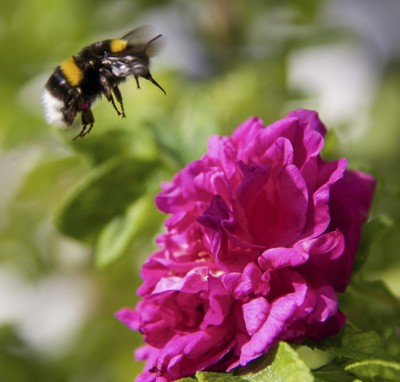
Bumble bees—large, fuzzy, and distinctively striped—are among the most effective pollinators for both wild and cultivated plants. Unlike honey bees, they produce only enough honey to sustain their colony, but their pollination services are invaluable for tomatoes, peppers, berries, fruit trees, and countless native species. Every gardener can take simple steps to support these essential insects.
The single most important factor is a succession of nectar- and pollen-rich blooms from early spring through fall. Prioritize native wildflowers and heirloom varieties; many modern ornamentals offer little nutritional value. Bumble bees cannot see red (it appears green to them), but they are strongly attracted to purple, blue, and yellow flowers. Choose single, open-faced blossoms over double-flowered cultivars, which often hide nectar deep inside.
A shallow, muddy area or a birdbath with stones for perching provides drinking water. For nesting, bumble bees favor abandoned rodent burrows, dense grass tussocks, or cavities under boards and brush piles. You can also build or buy a bumble bee nest box: a weatherproof chamber 15–25 inches in diameter with an entrance tunnel, ventilation holes (screened to exclude ants), and a dry interior.
A perfectly manicured garden is less inviting than one with untidy corners. Leave some areas unmowed, allow leaf litter to accumulate, and tolerate a few weeds—many are excellent bee forage. Avoid all insecticides, especially systemic neonicotinoids, which are highly toxic to bees. Even organic sprays like pyrethrin can harm them if applied during foraging hours.
By planting a diverse, pesticide-free flower buffet and providing shelter, you’ll not only enjoy more bumble bees but also better yields in your vegetable and fruit crops.
Proven Tips for the Perfect Organic Garden
Cheesecloth in the Garden: Versatile Fabric for Frost, Heat, and Pest Protection
Watering the Garden Right: When, How Much, and Best Methods
Attract Dragonflies: Mosquito-Eating Aerialists for Your Garden
Feeding Backyard Birds: Create a Bird-Friendly Garden Habitat
Bat House Placement and Design: Attract Mosquito-Eating Colonies
Butterfly Garden Design: Flowers, Water, Shelter, and Wind Protection
Property Value Landscaping: Smart Gardening for Home Investment
Gardening Fundamentals: Watering, Pest Control, Soil, and Weed Prevention
Gardening Tips for a Bountiful Harvest: Sod, Seeds, Soil, and Sun
How to Build a Butterfly Paradise in Your Backyard
Floating Row Covers: Extend Your Season and Protect Crops Naturally
Copyright © www.100flowers.win Botanic Garden All Rights Reserved