

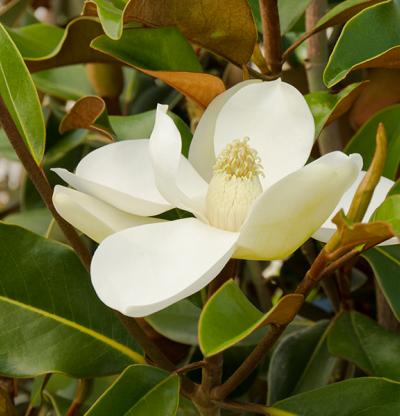


Persimmon Seed Stratification: Fridge Method or Outdoor Pot
Stratify seeds in damp sphagnum moss in a plastic bag in the fridge crisper for 2 months. Or sow outdoors in a pot buried in gravel and sand, covered with pine straw—sprouts appear in May. Note: seedlings take ~10 years

Stomping to Deter Snakes: Vibrations Work
Snakes sense vibrations and interpret them as potential predators. Stomping or tapping the ground before entering brushy areas causes them to hide. Danger only arises if you directly disturb a concealed snake.
Yard Hole from Rotted Stump: Fill with Bricks and Soil
A grass-covered hole with tunnels at the bottom usually marks a decomposed stump. Fill with broken bricks, cover with soil, and replant grass. This stabilizes the area and prevents injury.
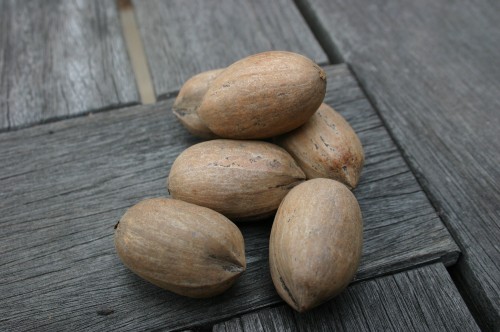
Shipping Georgia Pecans: Growers Association Lists Shippers
Georgia leads U.S. pecan production. The Georgia Pecan Growers Association and Georgia Pecan Commission websites list farms and packing houses that ship nationwide. pecans
Blueberry Watering During Drought: Check Local Exemptions
Most water providers exempt food gardens from bans. Established blueberries (6+ months in ground) need little supplemental water. Verify your providers rules at georgiawaterrules.com before hauling shower water.
Ripening Green Tomatoes Indoors: Color Stage Determines Method
Tomatoes showing any red/orange at the blossom end will ripen indoors—warmer speeds it up, cooler slows it. Fully green tomatoes wont ripen well; use them for fried green tomatoes instead.
Dehumidifier Water: Condensate, Not Graywater—Safe for Gardens
Dehumidifier and AC condensate are pure distilled water, exempt from watering restrictions, and safe for any landscape use. Not classified as graywater.
Pruning Confederate Rose: Cut to 4 Inches After Hard Freeze
Wait for a hard freeze (28°F) to kill foliage, then cut stems to 4 inches. In mild winters, no mulch needed; if temps may drop below 15°F, mound pine straw over the crown for insulation.
Graywater pH for Acid-Loving Plants: GAIN Detergent Test Results
UGA soil lab tested graywater from a GAIN detergent load: pH 6.4, alkalinity 40—comparable to well water (pH 7.06, alkalinity 56). Sodium and most elements were low; only boron in the first wash might harm sensitive plan
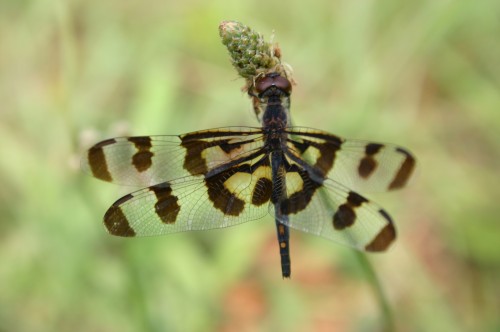
Dragonfly Watching: Field Guide and Habitat Tips
Become an odonatist! Dragonflies (order Odonata) devour mosquitoes—nymphs eat larvae, adults eat hundreds daily. Create habitat with a water feature, mucky edges, and tall perches like Japanese iris or papyrus. Reference
Rainwater Container Safety: Smell Test and Source Verification
Avoid containers that smell of solvents. Ask sellers about previous contents—food-grade drums are generally safe; industrial containers need thorough cleaning. Use common sense: if in doubt, dont use it for edible garden
Pruning a Large Schefflera: Ribbon-Marking Method
Tie red yarn on each limb you plan to remove at the cut point (where two limbs meet, keep the smaller). Step back, assess the shape, then prune. This visual guide prevents over-cutting and maintains an attractive form.
Fall Shrub Planting Deadline: Soil Temperature Is the Guide
Root growth stops at 40°F soil temperature. Historical data shows this occurs around December 1 in North Georgia. Aim to plant by November 1 for some root establishment, but planting later still beats waiting until sprin
Late Planting of Daffodil and Grape Hyacinth Bulbs: Firm Bulbs Are Fine
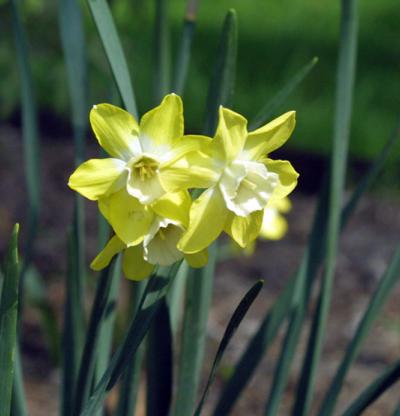
If bulbs are firm when squeezed, plant them even in mid-January. Daffodils planted as late as March can still bloom in May. Dont discard them—get them in the ground whenever possible.
Propagating Muscadine Vines: Simple Layering Method
Bend a long vine to the ground, bury a 12-inch section, leave 6 inches exposed. Roots form over winter; sever and transplant next fall. For superior varieties, consider UGA releases Cowart, Triumph, or Noble—the latter h
Filling a Wire Topiary: Sphagnum Moss and Creeping Fig
Pack the frame tightly with soaked long-fiber sphagnum moss—no air pockets. Use a dibble to poke planting holes, then insert rooted cuttings of creeping fig or small-leaf ivy. Keep moss moist, not soggy. Best planting ti
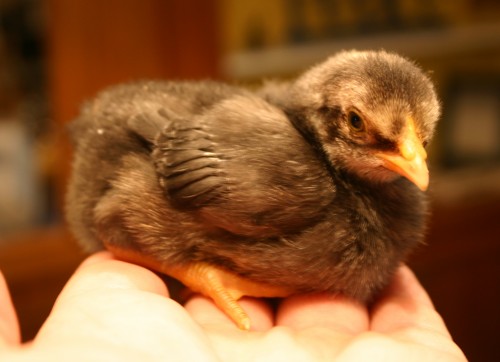
Finding the Right Thermostat for a DIY Styrofoam Egg Incubator
Building a styrofoam incubator is a rewarding project, but a standard furnace thermostat wont cut it—you need a proportional 110-volt thermostat designed for tight temperature control. These are available from poultry su
Peppermint Oil Sprays: Organic Insecticides with Caveats
Plant-oil insecticides (clove, peppermint, lemon, corn oil) can work but arent risk-free—overexposure causes headaches, skin irritation. Follow label directions precisely; never improvise with drugstore oils. Commercial
Systemic Fungicides for Home Use: Effective but Resistance-Prone
Systemic fungicides (myclobutanil, tebuconazole, propiconazole, thiophanate-methyl, triadimefon) move inside plants but fungi develop resistance faster than to contact fungicides (chlorothalonil, copper). Some are foliar
Corn Harvest Over: Plant Fall Vegetables Instead
Corn stalks produce only one crop. After harvest, cut them down and plant quick-maturing fall crops: snap beans, Irish potatoes, cucumbers, squash. Corn needs 80–100 days—too long for a fall harvest. Consult UGA vegetabl
Copyright © www.100flowers.win Botanic Garden All Rights Reserved