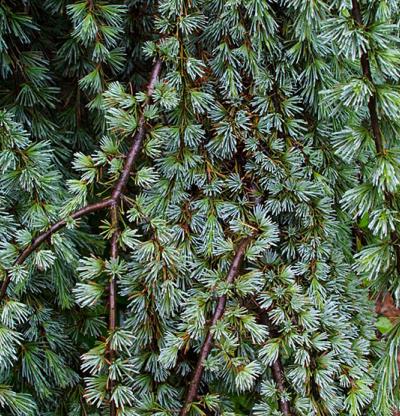


Pruning Blue Junipers: Mid-Late April, Leave Green Foliage
Prune after new growth starts (mid-late April). Always leave green foliage below cuts—junipers lack dormant buds on bare wood.

Centipedegrass Seed Heads: Low Viability, Buy Seed Instead
Centipedegrass seed yield is low; seeds have waxy coating inhibiting germination. High heat and consistent rain needed. Buy seed and plant in late May.
Compost Tumbler in Winter: Cover with Clear Plastic to Heat Up
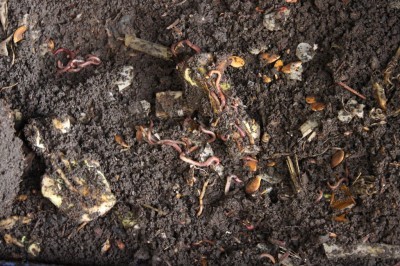
Cold slows microbial activity. Cover tumbler with clear plastic to the ground to trap solar heat and restart decomposition.
'Yoshino' Cryptomeria in Apple Orchard: Safe, Unlike Juniper
Cryptomeria doesnt host cedar-apple rust (juniper does) or cedar-quince rust (quince does). No need to remove it from orchard.
Buying Male and Female Inkberry: Georgia Native Plant Society Lists Sources
Inkberry (Ilex glabra) tolerates wet/dry, sun/shade. Berries feed wildlife. Pretty Boy is a male cultivar. Georgia Native Plant Society website lists native plant vendors.
Privet Hedge Risks: Berries Spread Aggressively
Chinese privet seeds have near-100% germination. Berries will invade gardens for years. Choose non-invasive evergreens: Emerald Green arborvitae, Foster holly, Little Gem magnolia, dwarf Burford holly.
Pre-Emergent for Annual Bluegrass in Bermuda: Too Late Now, Plan for Next Year
Annual bluegrass already germinated—pre-emergent wont work. Apply pre-emergent late Feb and late Apr for summer weeds. Water in before rain. Drought stress last year means more weeds this year.
Stagnant Rainwater: Bleach Drops Prevent Odor, Plants Don't Mind
Water stagnates when organic matter decomposes. Frequent use prevents it. Plants tolerate stagnant water; add 8 drops bleach per gallon to disinfect if desired.
Moving a Japanese Maple Near a House: Fork-Lift Method
Use a spading fork to loosen roots, lever the tree up with a helper, keep roots wet in damp newspaper. Replant at same depth in prepared hole, spread roots, mulch with pine mini-nuggets, water with 5 gallons.
Rejuvenating Leggy Nandina: Stair-Step Pruning in March
Cut canes at varying heights (12, 18, 24, etc.) in March. New foliage sprouts at each level, creating a fuller, balanced plant.
Fall Fertilizing Shrubs During Drought: Skip Until Spring Rains
Fall fertilizer benefits are questionable in drought. Hold off until spring rains are forecast. Your instincts are correct.
Transplanting Shrubs in November: Do It Now, Water with Bath Water
Transplant now—winter root growth beats March planting. Bare-root is fine if you get plenty of roots. Water each plant with 1 gallon per inch of trunk diameter, mulch with pine bark mini-nuggets.
Edible vs. Inedible Figs: Hardy Georgia Figs Are Edible
Most fig species are inedible, but hardy outdoor figs in Georgia (Celeste, Brown Turkey) are edible. Unripe fruit may stay hard but isnt poisonous. Explore Ray Givans fig resources for more varieties.
Pool Water for Irrigation: Safe but Conserve for Summer
Pool water is safe for plants, but dont overuse. If restrictions continue, you cant refill the pool next summer—rainfall will be your only source.
Overseeding Bermudagrass Sod with Seed: Don't Do It
Seeded bermudagrass differs in color/texture from hybrid sod. Sod spreads aggressively if managed well—fertilize when 50% green in spring. Overseeding creates a patchy lawn.
Forsythia Blooming in November: Stress-Induced Early Flowers
Fall blooms on forsythia are a stress response to summer heat/drought, not normal. A few buds open early; the rest wait for March. No action needed—the plant self-corrects.
Fatshedera Hardiness in Savannah: Yes, With Minor Cold Damage
Fatshedera (fatsia × ivy hybrid) thrives in Savannah. A 40-year specimen in Decatur survives prolonged cold with only new growth damage. Its glossy, coarse leaves make a striking landscape plant.
Deep Root Fertilization in Fall: Wrong Depth, Wrong Time
Tree/shrub roots are in top 12 inches; injecting deeper wastes fertilizer. Fertilize based on soil test, not calendar. Late fall applications stress drought-hit plants. Spring/early summer is optimal. Request the soil te
Manure and Wood Chips: Mix Thoroughly Before Planting Grass
Manure and chips improve soil but must be tilled 6 inches deep with native soil. Add 1 lb 10-10-10 per 100 sq ft to help break down chips. A thin layer on top of hard soil creates poor rooting.
Winter Tree Watering: Deciduous Need None, New Evergreens Need Little
Deciduous trees need no winter water (no leaves). Established evergreens survive on rainfall. Only newly planted evergreens (magnolia, hemlock) need ~5 gallons every two weeks if dry.
Copyright © www.100flowers.win Botanic Garden All Rights Reserved