
Rescuing an Apple Seedling That Skipped Cold Stratification
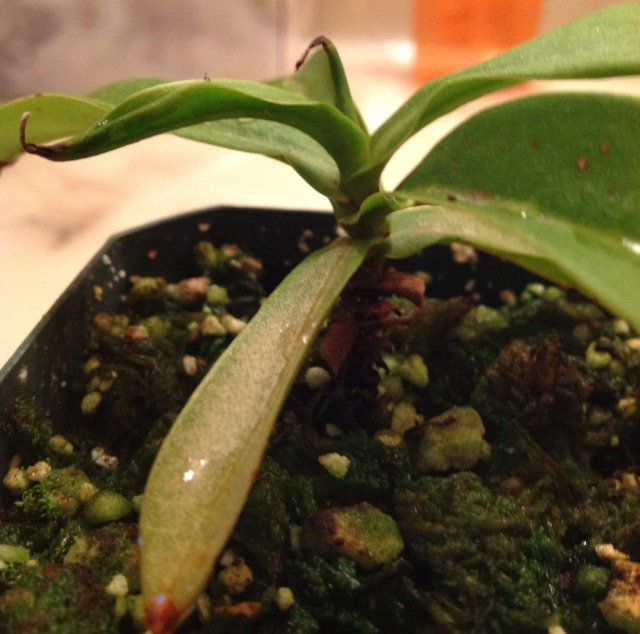
An apple seed that germinated without cold treatment (in Louisiana’s mild winter) can still be grown on. Immediate Steps Pot in good soil; lay seedling on its side, barely cover. Keep moist, well-drained, in bright

Cloning a Sterile Japanese Maple via Cuttings
A 25-year-old Japanese maple that never sets seed is likely a sterile hybrid. Cloning via softwood cuttings is the only way to replicate it. Cutting Protocol Take 4–6 inch cuttings from leaf axils in early summer.
Growing Southern Magnolia from Seed in Florida
Southern magnolia (Magnolia grandiflora) seeds germinate readily with proper handling. Seed Sowing Plant 20–30 seeds in an 8-inch pot, 1 inch deep. Keep moist, warm; prick out strongest seedlings after true leaves.
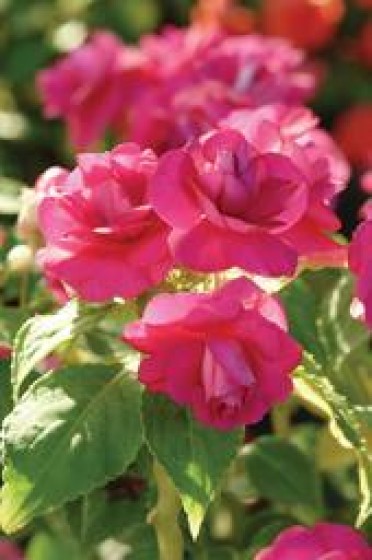
Propagating Patio Rose 'Cristal Palace' by Cuttings and Layering
For the rose ‘POULrek’ (Cristal Palace), two methods work well in southern Ontario. Softwood Cuttings (Early Summer) Take 6–8 inch cuttings; dip in rooting hormone. Stick in warm, wet sand or soilless mix. Keep m
Propagating Dracaena Spike from Cuttings
Dracaena (spike plant) roots easily from stem sections or offshoots. Methods Offshoots: Cut away from mother plant with sharp knife; pot in moist soil. Stem sections: Cut cane into 3–4 inch pieces; stick horizontal
Redbud, Rose of Sharon, and Emerald Green Arborvitae Care
Redbud: Plant now in ground; mulch 12 inches out from trunk with cypress mulch. Rose of Sharon: Prune now to control width and encourage upright form. Emerald Green Arborvitae: “Sparse” suggests interior shading. Light s
Saving and Starting Hibiscus and Cherry Tomato Seeds
Seeds from hybrid hibiscus and tomatoes may not breed true, but saving them is still worthwhile for experimentation. Hibiscus Seeds Start 6 weeks before last frost. Germinate at 70°F in 10–14 days. Provide strong
Troubleshooting Mango Seedling Leaf Browning
Mango seedlings develop long taproots and need deep pots. Browning lower leaves often indicate root restriction or waterlogging. Fixes Transplant to deeper containers (12+ inches) with excellent drainage. Water tho
Preventing Damping Off in Conifer Seedlings
Damping off—a fungal disease caused by excess humidity and poor air circulation—is killing your spruce, fir, and concolor seedlings. Prevention & Correction Top-dress soil with milled sphagnum moss (natural fungicide
Caring for a Young Japanese Maple Seedling
A foot-tall Japanese maple seedling in a 6-inch pot can be planted outdoors now in the DC area. It’s hardy and will establish better in the ground. Planting Steps Dig hole slightly deeper than pot. Gently remove tr
Growing Magnolias in Alkaline, Shallow Soil
Magnolias can adapt to limestone-based soils if drainage is adequate. Roots exploit cracks in rock layers. Choose species tolerant of higher pH. Strategies Amend planting hole with organic matter (peat, compost) to i
Harvesting and Storing Althea (Rose of Sharon) Seeds
Althea (Hibiscus syriacus), also called Rose of Sharon, produces seed pods that turn brown when ripe. Collect just before they split. Seed Processing Harvest brown, unopened pods. Dry indoors a few days. Store in
Propagating Desert Willow from Seeds and Cuttings
Desert willow (Chilopsis linearis) can be grown from fresh seed or dormant hardwood cuttings. Both methods require specific conditions. Seed Method Sow fresh seeds immediately—they lose viability quickly. No cold s
Propagating Crepe Myrtle: Seeds vs. Cuttings
Crepe myrtle (Lagerstroemia) seeds from landscape plants are usually hybrid and won’t grow true. Cuttings are faster and preserve the exact cultivar. Seed Method (If Species Type) Collect dry seed pods in fall. Sto
Why an Apple Tree Blooms in Fall
An apple tree blooming in autumn after a late spring freeze and dry summer is responding to environmental stress. Hormonal signals triggered by the unusual weather pattern caused a second flowering flush. This is rare b
Growing Pumpkins Indoors for Early Harvest
Producing pumpkins in February/March indoors is extremely difficult without a heated greenhouse. Pumpkins need intense light, heat, space, and hand-pollination. Requirements Large container (tub) for extensive root s
Date palm (Phoenix dactylifera) seeds germinate slowly—1 to 6 months or longer. Consistent warmth and moisture are critical. Procedure Remove all fruit pulp (inhibits germination). Plant 1 inch deep in well-drainin
Stratifying and Planting Sycamore Seeds
Sycamore seeds need cold stratification to break dormancy. Both fridge and outdoor methods work. Seed Preparation Allow green pods to ripen brown on the tree. Collect seeds; they can be planted immediately or store
Do Sycamore Seed Balls Repel Spiders?
Sycamore seed balls (buttonballs) have no proven spider-repellent properties. The folklore likely confuses them with hedge apples (Osage orange), which also lack scientific support for pest control. Sycamore balls serve
Starting Celosia (Cockscomb) from Seed
Celosia seeds are best started indoors 8 weeks before the last frost, not sown in fall. Fall-sown seeds have low survival rates. Indoor Seed Starting Sow seeds in late winter, barely covering. Keep at 70–75°F; germ
Copyright © www.100flowers.win Botanic Garden All Rights Reserved