
Endless Summer Hydrangea Stem Dieback: Armillaria Root Rot?
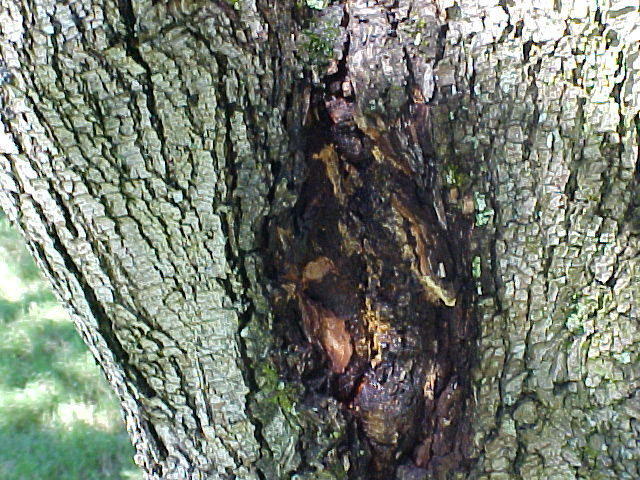
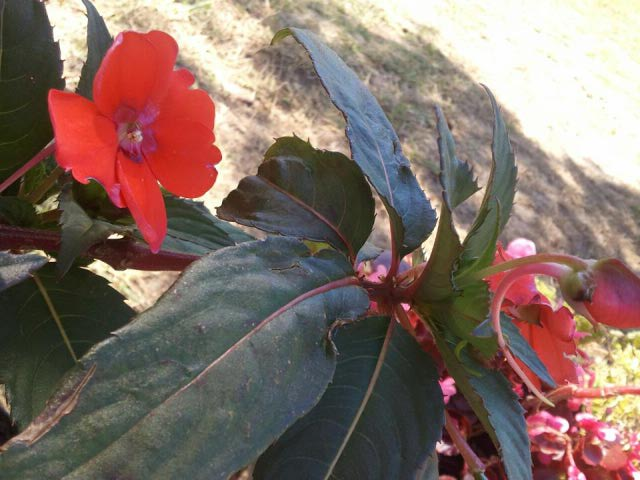
Sudden wilting of individual stems on an otherwise healthy hydrangea suggests Armillaria root rot. Expose root crown, remove diseased soil, replace with clean soil. Confirm with Alabama Extension (ACES) or Illinois IPM (

Will Rugosa Roses Survive Southeast Texas Heat and Humidity?
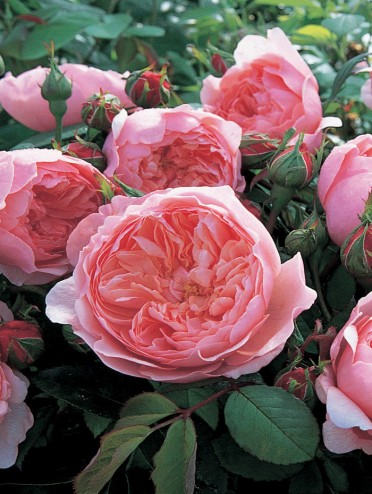
Rugosa roses struggle in hot, humid Southeast Texas summers. Consult a rose specialist (Allexperts Roses category) for cultivar recommendations and care strategies.
Stella d'Oro Daylily Foliage Decline in St. Louis Heat
Stella dOro dislikes high humidity and temperatures above 90°F. Overwatering in St. Louis summer worsens it. Cut off yellow/brown leaves, reduce watering, and wait for cooler fall weather. Theyll return next spring.
Wilting Oriental Tiger Lilies: Basal Rot or Botrytis?
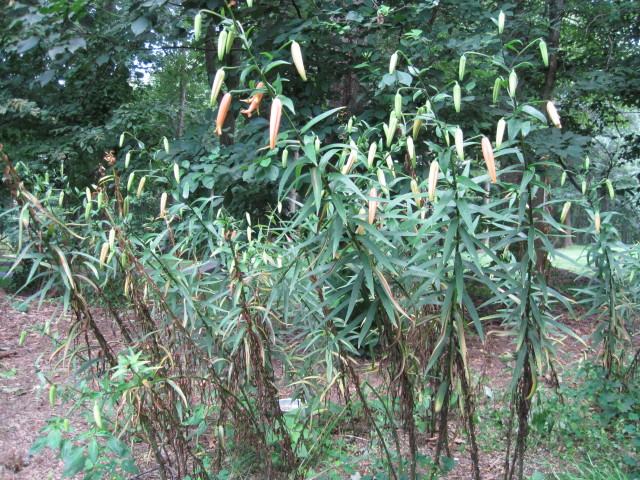
Wilting despite good start suggests basal rot (from excess rain) or botrytis. Ensure excellent drainage. For botrytis, spray copper fungicide or baking soda solution (1 Tbsp/gal). For basal rot, destroy affected bulbs—ti
Can a 25‑Year‑Old Indoor Yucca Survive Outdoors?
If its the common houseplant yucca (Yucca elephantipes) with shiny, strap‑like leaves and no flowers, its not cold‑hardy—keep it indoors. If its a hardy, clump‑forming species (Yucca filamentosa etc.) with long, narrow l
Starting a Perennial Plant Business from Your Meadow
To sell plants next spring: Start perennial seeds indoors late January (most wont bloom first year). Dig and pot baby volunteers in early spring; theyll be sale‑ready in weeks. Divide large clumps (except taprooted lupi
Growing Plumeria in Pots for Easy Moving in Austin
Plumeria (frangipani) thrives in a 10‑inch pot with rich, well‑drained mix. Bury roots so only 2 inches of stem is below soil. Full sun, regular water, good drainage. In Austin winters, keep in a freeze‑free spot with ea
Fragrant, Low‑Maintenance Perennials for Northern Virginia (Zone 7)
For a sunny morning/mid‑morning border that blooms May–August and masks odors: Spring: Hyacinths, lilac shrubs. Early summer: Asiatic/Oriental lilies, purple coneflower, butterfly bush, coreopsis, hollyhock, butterfly w
Controlling Aphids on Hibiscus with Soap Spray
Aphids cause yellowing leaves by sucking sap. Spray with insecticidal soap or homemade solution (1 tsp mild dish soap per quart water) every 3–4 days until gone. Cover undersides of leaves. For heavy infestations, consid
Calla Lily "Seed Pods" Are Actually the Flowers
The white, leaf‑like structure is the spathe (modified leaf); the central pod is the spadix bearing tiny true flowers. After pollination, the spadix develops into a seed head. This is normal anatomy—not a problem.
Hydrangea Tree Yellow Leaves: Usually Not Serious
A few yellow leaves on a blooming hydrangea tree are normal—often just seasonal shedding or minor stress from sun/heat. Hydrangeas hate hot afternoon sun and dry roots. Ensure consistent moisture, mulch, and afternoon sh
Propagating Calla Lilies from Seed: Step‑by‑Step
Calla lily seeds can be germinated easily: Separate seeds from pod. Place on damp paper towel in a sealed container; check for sprouts in 2–3 days. Sow sprouted seeds ½ inch deep in pots; keep moist. Transplant to large
Growing Oriental Poppies in Lubbock, Texas (Zone 7)
Oriental poppies (Papaver orientale) thrive in Lubbocks heat and cold. Sow seed in fall on a prepared, weed‑free bed with compost. They wont bloom the first year. Alternatively, transplant root divisions from a friends p
Overwintering Mandevilla (Dipladenia) in Zone 5b Ontario
Mandevilla (formerly Dipladenia) is not hardy in zone 5b. Grow in a pot; bring indoors before frost. Place in bright east/south window, water sparingly (every 10–14 days), no fertilizer. It will drop leaves and look spar
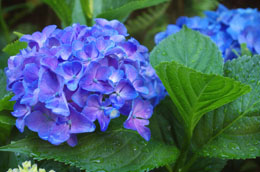
Turning Pink Hydrangea Blooms Blue Again
Bigleaf hydrangea (H. macrophylla) flower color depends on soil pH: acid = blue, alkaline = pink. Your clay soil is likely alkaline. Test pH; if above 6.0, apply soil acidifier (aluminum sulfate or garden sulfur) or blue
Coral Bells Not Flowering: They Need More Sun
Heuchera (coral bells) thrives in part shade but flowers best with 6+ hours of sun. Only 3–5 hours of late afternoon sun explains the aborted flower spikes. Move to a sunnier spot or trim overhead branches. Foliage will
Post‑Bloom Care for Stella d'Oro Daylilies
After Stella dOro finishes blooming, cut off flower scapes but leave foliage to photosynthesize and recharge roots. Once leaves turn brown in fall, pull them away gently. The plant will re‑emerge next spring. No need to
Red‑Twig Dogwood Pruning for Maximum Winter Color
Red‑twig dogwood (Cornus sericea) shows brightest color on young stems. For best display: Prune in late winter (dormant season). Remove ⅓ of oldest stems to ground level every 3 years. Leggy, ground‑touching stems can b
Plants That Thrive Under a Littleleaf Linden in Wisconsin Shade
Littleleaf linden (Tilia cordata) is not allelopathic, but its dense shade and root competition challenge many perennials. Foxglove and balloon flower need more sun than they get under the canopy. Switch to shade‑toleran
Mexican Petunias: Perennial or Annual in Florida?
Mexican petunia (Ruellia brittoniana) is a perennial in frost‑free zones but often dies back in Florida winters. Many gardeners treat it as an annual or tender perennial. It comes in pink, blue, purple, and white. In pot
Copyright © www.100flowers.win Botanic Garden All Rights Reserved