
Calla Lily Hardiness in Southern Indiana
Not Winter-Hardy in Zone 6 Calla lilies (Zantedeschia) are perennial but only hardy to zone 8 (zone 7 for large white Aethiopica types). In southern Indiana (zone 6), rhizomes must be dug after first frost, cleaned, and

Perennial Recommendations for Southeast Michigan Gardens
Plants for Part Sun and Shade in Zone 5-6 For 50/50 morning sun: astilbe, lungwort, lysimachia, hosta, ferns, cranes bill, lily-of-the-valley, Jacobs ladder, wood poppy, heuchera, comfrey, wild ginger. Native Plant Reso
Repotting Stress in Large Houseplants
Wilting After Root Disturbance A large, peace-lily-like plant wilted after aggressive root pruning during repotting. This is classic transplant shock. The experts specialty is perennials, not houseplants; they referred t
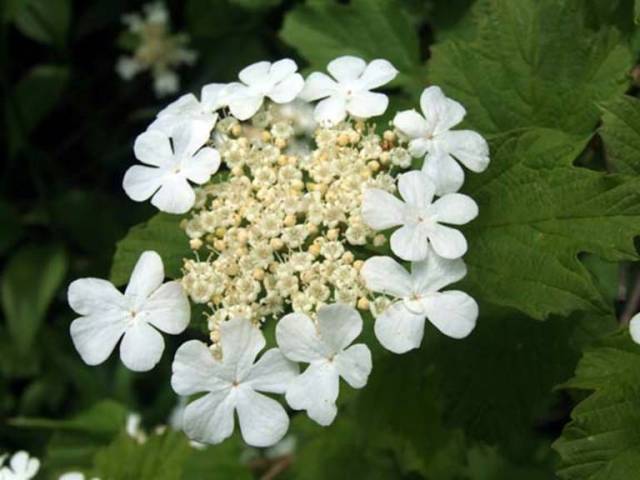
Mystery Perennial in Wisconsin The plant described—white flowers with a central smaller bloom, fuzzy maple-like leaves, bushy 2-foot habit, blooming in August in southeastern Wisconsin—matches oakleaf hydrangea (Hydrange
Identifying a Tall Plant with Cannabis-Like Leaves: Need More Clues
Information Needed for ID To identify your mothers plant, please provide: Indoor or outdoor? Wildflower or nursery-bought? Your general location (state/region). Flower color, size, petal count, bloom time. Plant height
Moonflower or Datura? Identifying Your 'Moon by Night' Plant and Its Risks
Identification Moon by night flower typically refers to Datura (jimsonweed, thornapple, angels trumpet)—large, white, trumpet-shaped flowers opening at night and on cloudy days. Key Facts Each bloom lasts one night; pla
Stephanotis Floribunda: Why Your Vigorous Vine Isn't Flowering Yet
Common Flowering Barriers Excess nitrogen: Lawn fertilizer runoff promotes leaves, not blooms. Shield from runoff. Immaturity: Can take 1–2 years after planting to first bloom. Cold damage: Temperatures below 30°F (-1°C
Deadheading Alstroemeria (Peruvian Lily) for Continuous Summer Blooms
Simple Deadheading When a flower fades, snip off the entire stem at the base (not just petals). This prevents seed formation and redirects energy to new flower buds. Care for All-Season Bloom Deadhead weekly during peak
Calla Lily Not Blooming for Years? Check Crowding, Fertilizer, and Dormancy
Top Reasons for No Flowers Wrong fertilizer: High nitrogen = leaves only. Use composted manure or low-N bloom booster. Crowded rhizomes: After 3 years, divide and repot. Insufficient light: Needs morning sun; afternoon
Nelly Moser Clematis Bloom Pattern: Two Flushes, Root Cooling, and Fertilizer Tips
Understanding the Bloom Cycle Nelly Moser (Group 2 clematis) blooms on old wood in late spring (first flush) and often again on new wood in mid-summer (second flush). Your plant is on schedule. Fertilizer Advice Miracle
Brown Leaf Edges on Ferns and Hostas: Drainage and Fertilizer Runoff
Two Common Causes 1. Wet Feet (Poor Drainage) Constant rain + slow drainage = root suffocation. Leaf margins brown and crisp. Amend soil with compost/grit; raise bed slightly. 2. Nitrogen Runoff from Lawn Fertilizer H
Spot-Treating Weeds in Ground Cover: The Paintbrush Method
Precision Application Broadleaf herbicides will damage most ground covers. Instead: Pour a small amount of glyphosate (Roundup) into a disposable cup. Dip a cheap paintbrush or sponge. Carefully paint the herbicide onto
Mother's Day Hydrangea Not Blooming? First, Identify the Type
Two Very Different Plants Florist hydrangea: Greenhouse-forced, often not hardy below Zone 9. Blooms once, may not rebloom outdoors. Hardy nursery shrub: H. macrophylla or other species sold at garden centers. Blooms on
Dividing Ornamental Grasses: Best Timing and Aftercare for Success
When to Divide Ideal: Early fall as growth slows and dormancy approaches. Acceptable: Anytime, with extra care. Procedure Choose a cool, cloudy day or evening. Dig up entire clump; divide with sharp spade or saw. Ensure
Understanding Perennial Spread Rates: Invasive Lists and Regional Resources
General Resource The University of Vermont maintains a list of invasive perennials, but regional suitability varies widely. What You Need Your location (state/zone) for relevant recommendations. Local extension service—
Moving Overgrown Mums: Timing and Technique for Minimal Shock
Optimal Transplant Window Fall: 30–45 days before first frost (allows root establishment). Spring/Summer: Possible now—cut back to 6, dig generous rootball, replant immediately. Step-by-Step Cut stems to 6 inches. Dig 1
Stella d'Oro Daylilies Yellowing After Division? Check for Rust and Slugs
Two Likely Culprits 1. Daylily Rust (Puccinia hemerocallidis) Yellow-orange pustules on leaf undersides. Causes premature yellowing and reduced bloom. See AHS Rust Guide for photos and management. 2. Slugs/Snails Feed
Diagnosing Wilting Coneflowers: Water, Grubs, or Something Else?
Common Causes Drought/heat: Water deeply once a week if no rain. Root-feeding grubs: Check taproot for white C-shaped larvae. Poor drainage: Soggy soil rots taproot. Transplant shock: Recent moves cause temporary wiltin
Propagating Trumpet Vine (Campsis radicans): Cuttings, Suckers, and Seeds
Best Methods Suckers (easiest): Dig up rooted shoots from base of mother plant in spring. Seeds: Collect pods in fall; sow fresh or stratify. Stem cuttings (slow): 4 semi-ripe wood in summer; dip in hormone; root in san
Canna Lily Toxicity: Safe for Pets and People, Unlike Calla Lilies
Canna vs. Calla Despite the common name canna lily, cannas (Canna × generalis) are not true lilies and are non-toxic or only mildly so. Calla lilies (Zantedeschia) are highly toxic. Safety References ASPCA: Cannas non-t
Copyright © www.100flowers.win Botanic Garden All Rights Reserved