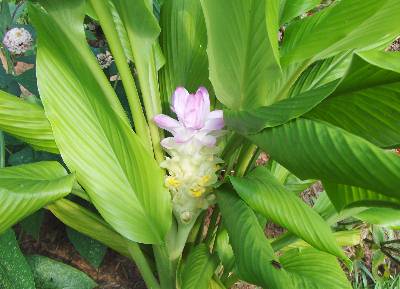

Hostas Along a Foundation: Safe, Beautiful Solution for Shady, Damp Areas
Foundation Safety Hostas (Hosta spp.) have fibrous, non-woody roots that do not threaten foundation walls. Tree roots are the real culprits for foundation damage. Ideal Conditions Met Shade between houses? Hostas thrive

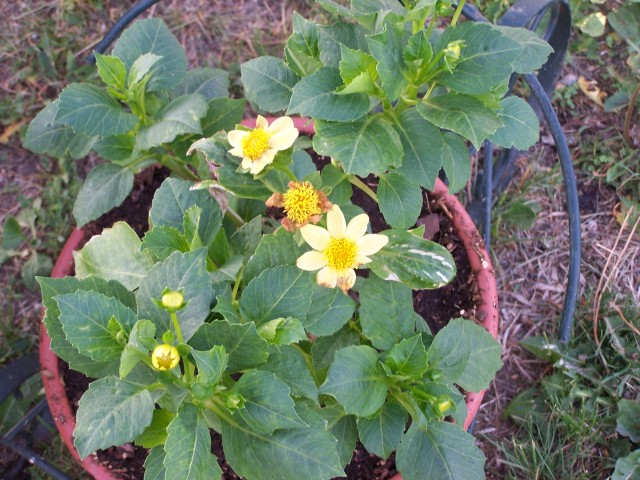
Mystery Yellow Flower from a 'Bleeding Heart' Package: It's a Dahlia!
The Mix-Up A root sold as bleeding heart (Dicentra) produced a 2–2.5 flat yellow flower with 8 petals and a fuzzy golden center. The photo confirms its a bedding dahlia (Dahlia × hybrida), likely a mispackaged tuber. Dah
Hollyhock Stalk Borer: Identifying and Managing This Destructive Pest
Symptoms A single stalk wilting, leaves curling and limp while neighboring plants are healthy suggests stalk borer (Papaipema nebris) infestation. Diagnosis and Treatment Inspect stem for entry holes, frass (sawdust-lik
Why Young Hellebores Won't Bloom: Patience, Light, and Fertilizer Balance
Common Reasons for No Flowers Excess nitrogen: Promotes leaves over blooms. Stop high-N fertilizers. Too much shade: Hellebores tolerate shade but need dappled light to flower well. Immaturity: Seed-grown plants take 3–
Why Brugmansia Buds Drop Before Opening: Heat Management for Angel's Trumpets
Heat Sensitivity Despite their tropical origins, Brugmansia (angels trumpet) aborts buds when exposed to excessive heat, especially intense afternoon sun in Zones 9–10. Corrective Actions Relocate: Move to a spot with m
Low-Maintenance, Long-Blooming Perennials for a Gravesite in Ohio
Top Picks for Zone 6a (Newark, OH) PlantHeightSpreadBloom PeriodNotes Stella dOro daylily12–15Moderate (divide 3 yrs)Early summer–frostReblooms reliably Coral bells (Heuchera)8–12SlowLate spring–summerFoliage color all
Weed Barrier Under a Pool Deck: Plastic vs. Landscape Fabric
Considerations for Hardscape Underlayment While plastic sheeting (visqueen) blocks weeds effectively, it has drawbacks compared to permeable landscape fabric: Plastic Pros Complete weed/light blockage. Low cost. Plasti
Propagating Oriental Poppies: Self-Seeding and Root Cuttings
Natural Reseeding Oriental poppies (Papaver orientale) readily self-sow. To encourage: Allow seed pods to dry on the plant. Shake pods over the bed in autumn to disperse seeds. Thin seedlings next spring to 12–18 inches
Mystery Plant Solved: Common Mullein (Verbascum thapsus)
Identification Your 3–4 ft tall plant with elongated fuzzy leaves, a cone-shaped spike of small yellow flowers blooming sequentially is common mullein (Verbascum thapsus), also called Aarons rod, flannel plant, or torch
Calla Lily 'Sweet Talk' Bloom Cycle: From Flower to Dormancy and Back
Understanding the Bloom Phase Calla lily (Zantedeschia) blooms last several weeks. Browning at the edges signals the flower is spent—this is normal, not a problem. Post-Bloom Care Snip off the entire flower stem a few i
Neoregelia 'Compacta' Losing Center Color? Understand the Bloom Cycle
Natural Color Changes Neoregelia bromeliads develop intense center color (pink to red) when initiating bloom. After flowering, the color fades back to green. This is normal. Care for Optimal Color Light: Bright, filtere
Best Plants for a Sunny Birdbath Water Feature in the Deep South
Choose True Aquatic or Marginal Plants A birdbath holds standing water, so select plants that tolerate—or require—wet roots. Top Picks for South Louisiana Parrots feather (Myriophyllum aquaticum): Feathery, trailing fol
Why Hydrangea Flowers Turn Green and How to Manage Bloom Color
Green Blooms: Natural Aging Hydrangea flowers (especially in the South) naturally turn green as they age. This is not a nutrient deficiency—its the normal life cycle of the sepals. Color Change Timing Soil pH adjustment
Growing Bigleaf Hydrangeas in Eastern Washington's Zone 6a Desert Climate
Plant in the Ground, Not Pots Container-grown hydrangeas suffer more root temperature fluctuation. In Zone 6a, plant directly in the garden with these adaptations: Site Selection Morning sun, afternoon shade (critical i
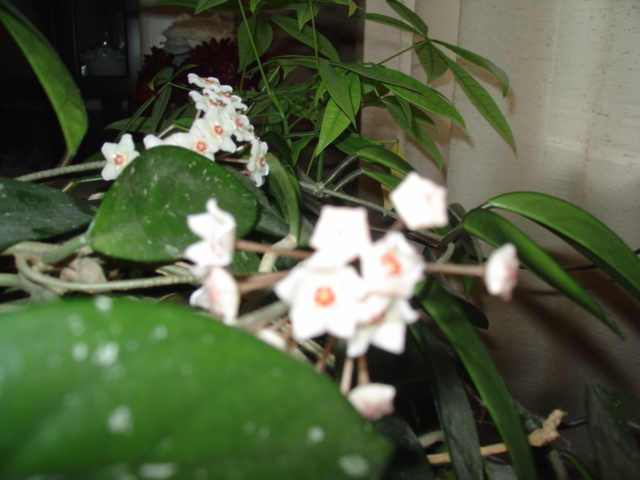
Mystery Houseplant Identified: Likely a Hoya (Wax Plant)
Identification Based on the description—thick leaves, clusters of star-shaped flowers with a colored center—the plant is likely a Hoya (wax plant), not Stephanotis. Common species include Hoya carnosa and Hoya lanceolata
Stargazer Lilies Stunted and Yellowing? Diagnose Water, Pests, and Timing
Key Factors for Healthy Lilies Stargazer lilies (Oriental hybrids) should reach 3+ feet. Stunted growth and yellowing tips suggest stress. Checklist Water and Drainage Soil must be consistently moist but never soggy. Am
Rose of Sharon Not Leafing Out After Transplant? Patience and Care Tips
Assessing the Situation If your Rose of Sharon (Hibiscus syriacus) shows green, flexible wood but no leaves well into spring (Zone 6B), its likely still establishing roots after a fall transplant. The plant is alive but
Perennial Planting Ideas to Highlight a Front Entry Sign
Design Principles for Sign Plantings The goal is to frame and accentuate the sign without obscuring it. Choose plants with varying heights, textures, and bloom times for year-round appeal. Recommended Combinations Struct
Managing Powdery Mildew on Black-Eyed Susans in Humid Climates
Cause and Immediate Relief Powdery mildew (white powdery coating on stems/leaves) thrives in overcrowded, humid conditions with wet foliage. In Atlantas late June heat, immediate steps: Stop overhead watering; use drip
Red Twig Dogwood Oozing White Substance: Spittlebugs or Borers?
Identifying the Milky Goo Two common culprits cause white exudate on red twig dogwoods (Cornus sericea): Spittlebugs (Frothy/Foamy) Nymphs produce a protective foam mass on stems. Harmless; wash off with a strong hose s
Copyright © www.100flowers.win Botanic Garden All Rights Reserved