
Why Lacecap Hydrangeas Have Incomplete Blooms: Causes and Fixes
Understanding Lacecap Bloom Structure Lacecap hydrangeas (Hydrangea macrophylla) feature a ring of showy sterile florets around a center of tiny fertile flowers. If the center remains compact and undeveloped, several fac

Growing Irises from Seed: A Step-by-Step Guide to Stratification and Sowing
Collecting and Preparing Iris Seeds German bearded irises (Iris germanica) occasionally produce seed pods after cross-pollination. Seedlings wont come true to the parent but offer exciting variation. Harvest and Stratifi
Dividing Asian Lilies: Restoring Vigor to Overcrowded Clumps
Signs Its Time to Divide If your Asian lily has produced smaller plants and fewer flowers over the past two years after a peak of five years, the bulbs are likely overcrowded. Division rejuvenates the planting. Step-by-S
Taming Lily of the Valley: Controlling an Aggressive Spreader
Why Its So Persistent Lily of the valley (Convallaria majalis) spreads via underground rhizomes, forming dense colonies that readily invade lawns and garden beds. Even small root fragments left behind can regenerate. Con
Perennial Cleanup Guide: When to Cut Back and Transplant in Wisconsin
Cutting Back Spent Perennials Once perennials have finished blooming and their foliage turns yellow or brown, its safe to cut them back to ground level. This applies to poppies, bleeding hearts, columbine, daffodils, and
When and How to Cut Back Asiatic Lilies for Healthier Plants
Timing Is Everything Asiatic lilies should only be cut back after their foliage has naturally yellowed or browned in late summer or early autumn. This allows the leaves to photosynthesize and store energy in the bulb for
Diagnosing Rhododendron Leaf Browning in Atlanta: Disease or Pests?
Symptoms and Possible Causes A rhododendron developing brown discoloration spreading from the leaf midrib could indicate several issues. In Atlantas climate, two primary suspects are: 1. Phytophthora Root Rot (Phytophtho
Why Newly Planted Stella d'Oro Daylilies Aren't Blooming Yet
Patience with First-Year Daylilies If you planted Stella dOro daylilies just a couple of months ago, its normal for them to bloom later than established clumps in your area. Theyre busy establishing root systems before p
Plumbago auriculata: Beautiful but Not Cold-Hardy for Pennsylvania Gardens
Know Your Zone Before Planting Cape plumbago (Plumbago auriculata) is a stunning, blue-flowered shrub native to South Africa. While it thrives in Zones 8b–11, it cannot survive Pennsylvania winters (Zone 6) outdoors. Key
Reviving Overcrowded Lilies: Division and Soil Amendments for Better Blooms
Why Lilies Stop Flowering If your lilies produce weak growth and few flowers after several years, overcrowding is likely the culprit. Lily bulbs multiply underground, eventually competing for nutrients and space, which r
Growing Roses in Southern California: Expert Resources and Tips
Rose Gardening in SoCal: Unique Challenges Southern Californias Mediterranean climate—mild, wet winters and hot, dry summers—requires specific rose varieties and care practices. Unlike cooler regions, roses here may not
Why Calla Lily Flowers Turn Green: Understanding the Natural Life Cycle
The Green Spathe: A Normal Stage If your Zantedeschia (calla lily) blooms have turned from white or purple to green, dont panic. This is a natural part of the plants reproductive cycle. Whats Happening? The showy flower
How to Prune Tree Peonies for Better Blooms and Health
Pruning Tree Peonies: Timing and Technique Tree peonies (Paeonia suffruticosa) benefit from selective pruning to improve air circulation, reduce disease risk, and concentrate energy on flowering. The best time to prune i
Why Are My Hydrangeas Losing Color? Heat Stress Solutions for Zone 8
Why Hydrangeas Fade in Summer Heat If your hydrangeas are losing their vibrant color during the hot summer months, youre not alone. In warm climates like Wilmington, NC (USDA Zone 8), intense afternoon sun can cause hydr
Intensia Phlox Hanging Basket Declining: Water Twice Daily in Heat
Intensia phlox is drought‑tolerant but in a hanging basket it dries fast. In hot/humid climate, water morning and evening. Give afternoon shade. Feed 12‑12‑12 every 2 weeks. Established plants toughen up.
Lacecap Hydrangea Branch Dieback: Anthracnose Suspected
Branch dieback on lacecap hydrangea in Chesapeake, VA suggests anthracnose. Rake/destroy fallen leaves, prune dead wood. Take sample to Chesapeake Extension (VT Extension). Plant resistant varieties, consider fungicides.
Tiger Lily Stem Browning Early: Check for Bulb Rot
Lower stem browning in early summer is abnormal—should happen late summer. Dig bulb; if rotten/smelly, discard and dont replant there for 2 years. Deadheading wont produce more flowers—lilies bloom once per season.
Autumn Sedum Buds in July: Normal, Don't Remove
Sedum Autumn Joy forms buds in July; they open late August/September. Dont cut—they wont rebud. Timing varies by latitude.
Transplanting Ornamental Grass: Late Summer Best, But Summer Works
Best: late August/early September. Cut to 6 inches, dig, replant, water heavily, add composted manure. Summer transplant okay with extra water—more stress but usually survives.
Kalanchoe Leaf Edge Damage: Likely Temporary Pest
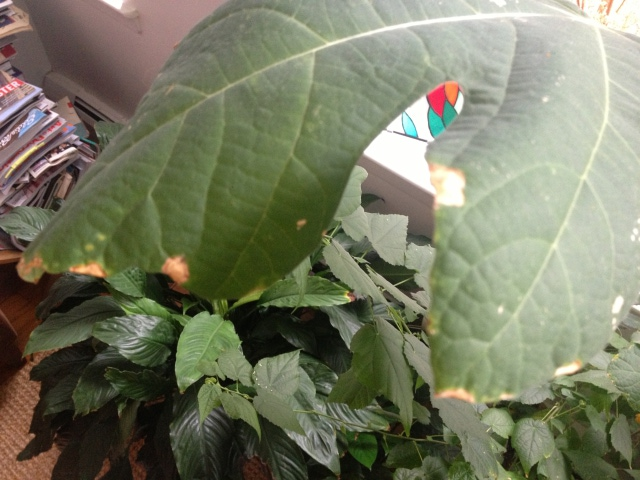
Kalanchoe has few pests (mites, mealybugs). Edge chewing suggests grasshoppers, slugs, or a passing insect. Watch; usually they move on. No major pest matches this pattern.
Copyright © www.100flowers.win Botanic Garden All Rights Reserved