


A grower in South Africa wanted to repot a Venus flytrap using a 5:3:2 peat:silica sand:perlite mix but couldn’t find true silica sand—only coarse, gray, stone-like material. They asked if that would work or if sand was even necessary.
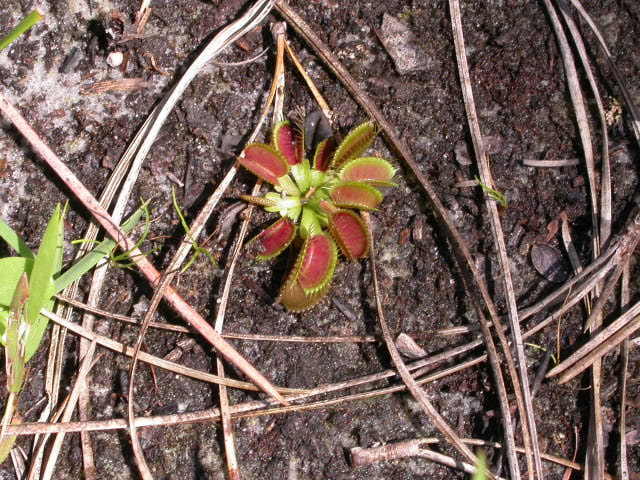
Jeff Dallas of Sarracenia Northwest clarified that horticultural-grade washed sand is perfectly acceptable if silica sand is unavailable. Even better: a simple 1:1 peat-perlite mix works well and avoids the hassle of sourcing sand. The reddening leaves after moving the plant to full sun are normal; some temporary burn may occur, but new growth will be strong and healthy.
Bottom line: Don’t overcomplicate the mix. Equal parts peat and perlite (or a quality washed sand) is all you need. Focus on mineral-free water, full sun acclimation, and a winter dormancy for long-term success.
Sand in Sprinkler Heads: Source Identification
Building a Wall on Sand: Engineering Considerations for Kuwait Project
Is Black Gold Washed Sand Safe for Venus Flytraps?
Quikrete Play Sand for Carnivorous Plants: Safe or Not?
Where to Buy Clean Sand for Bog Garden in Portland, Oregon
Bad Sand Kills Carnivorous Plants: Test Before You Pot
Play Sand vs Perlite for Carnivorous Plants: Silica Sand Required
Should You Compact Bedding Sand Before Laying Pavers?
Laying Brick Over Existing Concrete Patio
Backyard Beach Construction in New England: Drainage, Base, and Sand Specs
Pressure Washing Brick Paver Driveways Safely
Amending Red Clay Soil for Gerbera Daisies
Horticultural Sand vs. Building Sand for Turf Leveling: Don't Layer
Copyright © www.100flowers.win Botanic Garden All Rights Reserved