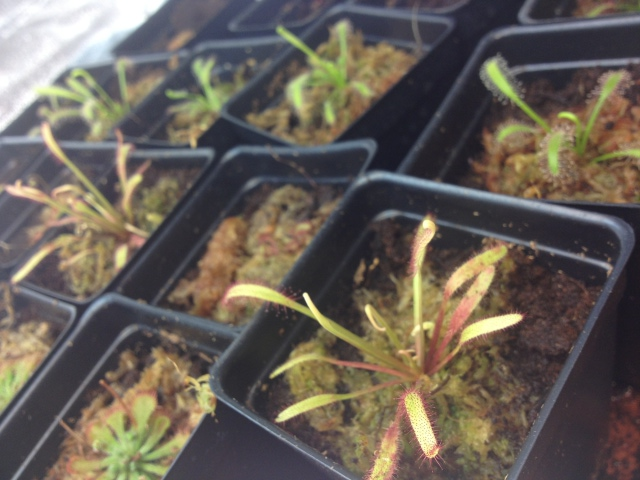
Yellowing Drosera alba Under T5 Lights: Heat Stress
Cool‑Growing Sundews Dislike Warm Temperatures Drosera alba (native to South African coastal mountains) turns yellow when temperatures are too high, even under perfect light. It prefers cool, sunny conditions. Seasonal P

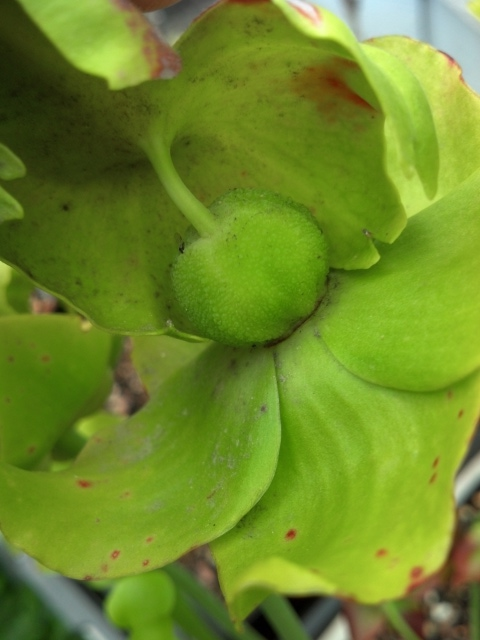
Reading Early Sarracenia Seed Pods: Pollinated or Not?
Size Tells the Story After petals drop, a pollinated ovary swells noticeably larger than an unpollinated one. Compare multiple pods on the same plant: Pollinated: significantly larger, well‑formed, continues growing. Un

Extended Flowering and Leaf Loss in Drosera spatulata
Energy Trade‑Off: Flowers vs. Leaves A D. spatulata that flowers continuously from spring into summer may divert energy from leaf and dew production. This is normal. What to Do If you don’t need seed, snip flower stalks
Cephalotus and VFT Seedlings: Separate Pots, Different Soils
Don’t Mix Cephalotus and Flytrap Seedlings Cephalotus prefers a sandier mix (2:1 sand:peat) and hates root disturbance. Dionaea seedlings thrive in 1:1 peat/perlite. Combining them compromises both. Give each its own pot
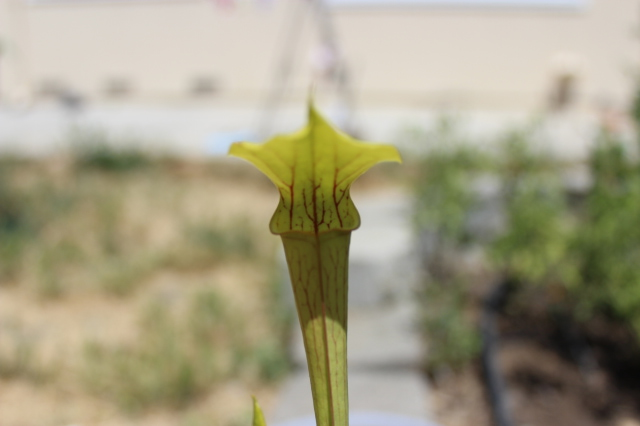
Identifying a Mystery Sarracenia: Likely Sarracenia alata
Photo Analysis Points to S. alata Based on the provided images—upright pitchers, red veining, smooth hood without ruffles—the plant is most consistent with Sarracenia alata. It does not appear to be a hybrid. Additional
Cephalotus Rescue: Ventilation Is Critical
Mold on Cephalotus? Open the Bag Daily Sealing a Cephalotus in a zip‑lock bag without airflow guarantees fungal problems. The fix is simple: Open the bag/terrarium once a day for fresh air exchange. Or grow in a well‑ve
New Dehumidifier Water Safe for Carnivorous Plants
Dehumidifier Condensate = Distilled Water A new dehumidifier produces essentially distilled water. Trace copper from condenser coils is negligible—if it were significant, the coils would corrode rapidly. Extra Caution (O
Vermiculite in Darlingtonia Soil: Acceptable but Perlite Is Better Long‑Term
Vermiculite Works for Cobra Lilies—With Caveats Darlingtonia tolerates higher mineral content than Sarracenia, so vermiculite’s slight mineral contribution is usually fine. It also holds water well. Why Perlite Is Prefer
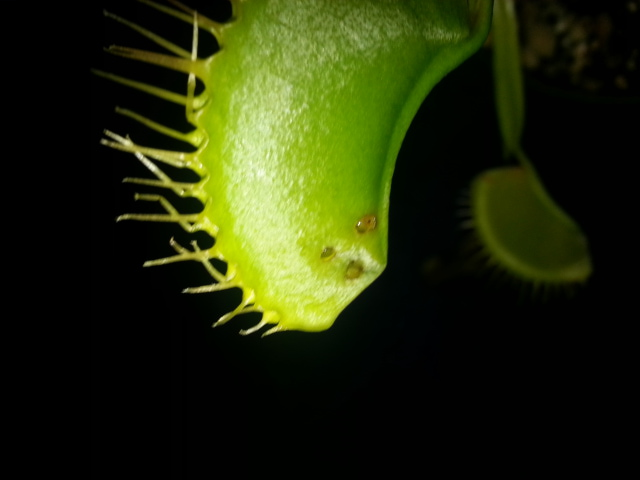
Small Holes in Venus Flytrap Traps: Prey Fighting Back
Beetles and Caterpillars Chew Their Way Out Tiny holes on traps that have caught insects are usually exit wounds from: Weevils, stink bugs, cucumber beetles – hard‑bodied, plant‑eating insects. Caterpillars (like the “w
Classroom Carnivorous Plants: Terrarium Is Wrong, Use Proper Pots
Four Species, Four Different Needs—No Single Terrarium Works A classroom aquarium cannot meet the divergent requirements of: Pinguicula agnata – cool nights, sandy alkaline soil, minimal water. Drosera capensis – subtro
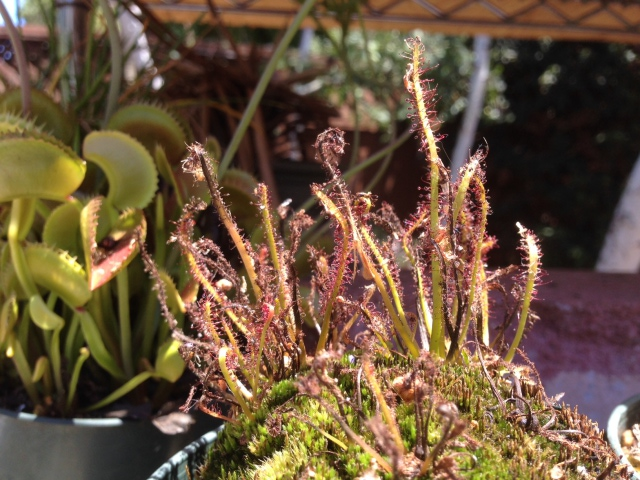
Early Summer Dormancy in Drosera × hybrida (intermedia × filiformis)
Hybrid Sundew May Enter Dormancy Early in Warm Climates Drosera × hybrida (intermedia × filiformis) often starts forming hibernacula (winter buds) in late summer. In San Jose’s long season, it may begin in June if spring
Lighting for Nepenthes Seeds: Upgrade the Burpee Grow Light Bulb
32W CFL Beats the Stock 23W for Seedlings The Burpee “Ultimate Grow Light” works for carnivorous plant seedlings, but the included 23W CFL is weak. Swap in a 32W compact fluorescent (e.g., Hydrofarm Agrosun 32W) for sign
Mealybugs on Drosera multifida: Systemic Treatment Required
Mealybugs Hide in Soil—Repot and Use Systemic Insecticide Mealybugs (related to scale) lay eggs in the medium. Contact sprays miss the crawlers. Effective protocol: Repot the Drosera in fresh media; discard old soil. Re
Growing Drosera capensis Outdoors in Portland, Oregon
Summer Outside, Winter Under Lights A D. capensis will thrive on a Portland porch with 5–6 hours of direct sun from late spring to early fall. Bring it indoors before the first hard frost (light freeze is okay). Indoor W
Sowing Venus Flytrap Seeds: Skip the Bag, Use Pots
Direct Sowing in Pots Beats the Plastic‑Bag Method Seed kits often instruct sowing in a sealed bag on a windowsill. This invites mold, algae, and damping‑off. Instead: Soak and drain peat moss for 24 hours to reduce alg
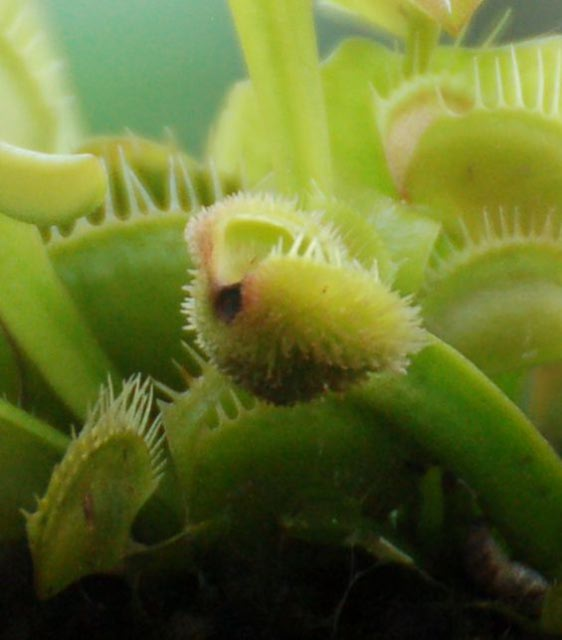
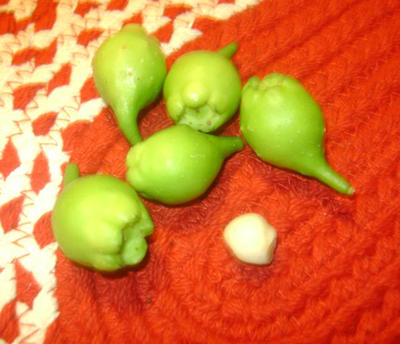
Mutated Venus Flytrap Traps: Normal Oddities
When a Trap Grows Weird, It’s Just a Mutation Venus flytraps occasionally produce deformed traps—swollen, hairy, fused, or misshapen. It’s a random genetic hiccup, not a disease or nutrient issue. What to Do Ignore it;
Air‑Conditioner Condensate Is Safe for Carnivorous Plant Seeds
AC Water = Distilled Water (Almost) Water from an air‑conditioning unit is essentially distilled—safe for carnivorous plants. Trace copper from coils is negligible unless the coils are heavily corroded. If Seeds Still Do
Elevating Pots on Bricks Does Not Water Plants
Why a Brick in a Water Tray Won’t Work Placing a pot on a brick inside a water‑filled tray prevents capillary uptake—the soil stays dry unless you top‑water constantly. This defeats the purpose of a tray. Proper Water‑Le
Nepenthes Seed Failure: Dioecious Plants Need Cross-Pollination, Seeds Short-Lived
Lauri collected a seedpod from a hanging pitcher plant (confirmed Nepenthes) last summer. Sowed in damp sphagnum—nothing grew. Asked about cold stratification, media. Clarification: Nepenthes ≠ Sarracenia Jeff Dallas: C
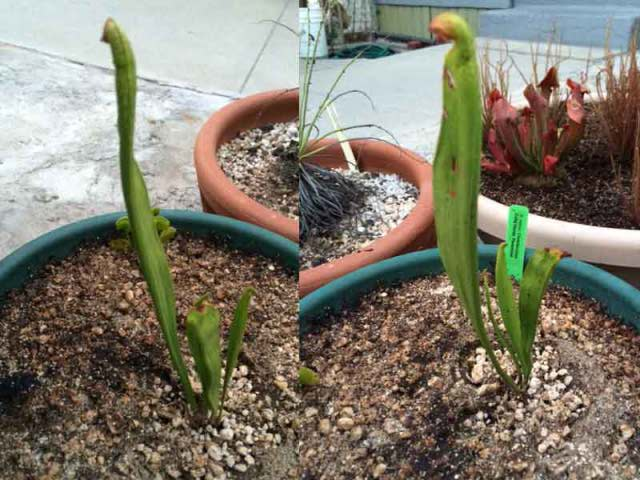
Slow Sarracenia minor 'Okefenokeensis': Root Focus and Seasonal Pattern
okefenokeensis Akira (Zone 9, SoCal) bought S. minor Okefenokeensis 1+ month ago. Slow growth, no fully opened pitchers, 8 tallest leaf. 7 hrs sun, 1:1 peat/sand, 12 pot, distilled water, top-watering daily. Other Sarra
Copyright © www.100flowers.win Botanic Garden All Rights Reserved