

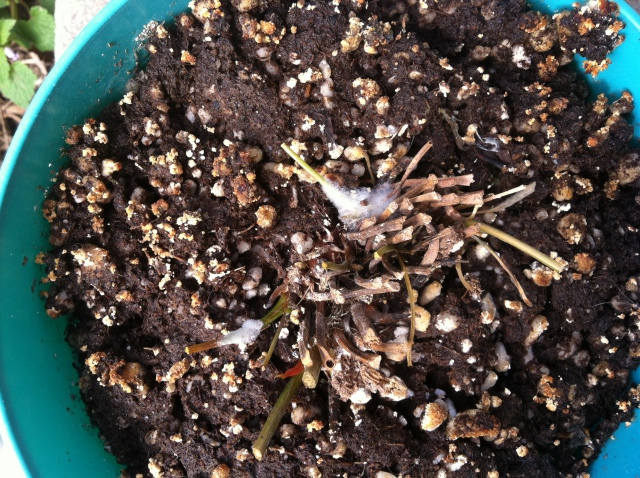
White Fungus on Sarracenia Rhizomes in Garage Dormancy
White fuzz on rhizomes Sarracenia from January purchase, overwintered in garage with sulfur spray, distilled water, SNW soil. White fuzz appeared. Only this plant affected? Action Plan Spray sulfur generously until n


Overwintering Carnivorous Plants in Chicago: Assessing Survival After Harsh Winter
Mulch Purpose: Not to Prevent Freezing Your heavy mulch (10+ inches) in a buried frame did its job: it prevents dehydration during prolonged freezes and buffers temperature swings—not to keep plants unfrozen. Plants froz
Storing Peat Moss Long-Term: Keep It Dry
Peat Moss Storage Rules Dry peat moss lasts indefinitely. Decomposition only begins when wet. Your bale (stored under a shed, with a 6-inch hole) will remain usable if you: Tape the hole or cover the entire bale with a
Leaving Carnivorous Plant Seedlings Unattended for Two Weeks
The Hard Truth: They Wont Survive Bog plant seedlings (VFT, Drosera) cannot go two weeks without water. They need constant moisture to germinate and survive. Trays typically need topping up every 2–3 days. Germination T
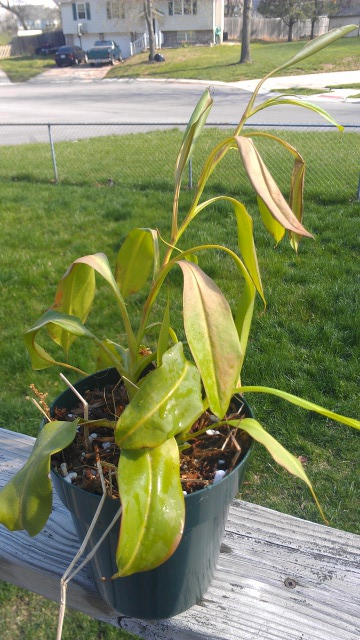
Nepenthes Acclimation Failure: Sunburn and Cold Damage
What Went Wrong Your Nepenthes alata × truncata suffered a classic acclimation failure: moved from stable indoor conditions (grow lights, warm temps) directly to outdoor spring conditions in Kansas City. Two simultaneous
Spring Hard Freeze Damage: Will Temperate Carnivorous Plants Survive?
Assessing Freeze Damage A hard freeze (28°F for 7–8 hours) on newly emerging temperate carnivorous plants (Sarracenia, Dionaea, Drosera) in Philadelphia is alarming but usually survivable. Key factors: Plants were just
EarthBox as Bog Garden: Feasibility for Sarracenia and Flytraps
Repurposing an EarthBox (sub-irrigated planter) for carnivorous plants—can the wicking system maintain adequate moisture for Sarracenia and Dionaea? Theoretical Compatibility EarthBoxes maintain consistent moisture via
Clear Slime on Pygmy Sundew Soil: Slug Trails vs. Algae vs. Mold
Clear slime covering Drosera nitidula × pulchella soil under fluorescent lights—no plant contact. Differential diagnosis needed. Possible Causes Slime mold: Usually colored (yellow, orange), not clear Slime algae: Typi
Feeding Venus Flytrap Seedlings: Timing, Methods, and Fertilizer Caution
A grower germinating Venus flytrap seeds asks about feeding newly opened traps with DBW mix (likely dried bloodworm preparation) to accelerate growth. Feeding Newly Opened Traps Wait 2-3 days after trap opens—immature
Feeding Carnivorous Plants When Insects Are Scarce: Alternative Nutrition Strategies
A coastal bluff grower (40-50 ft elevation) experiences minimal flying insects despite sea and mountain breezes. Venus flytraps go months without captures—should they be supplemented? Assess Plant Health, Not Trap Count
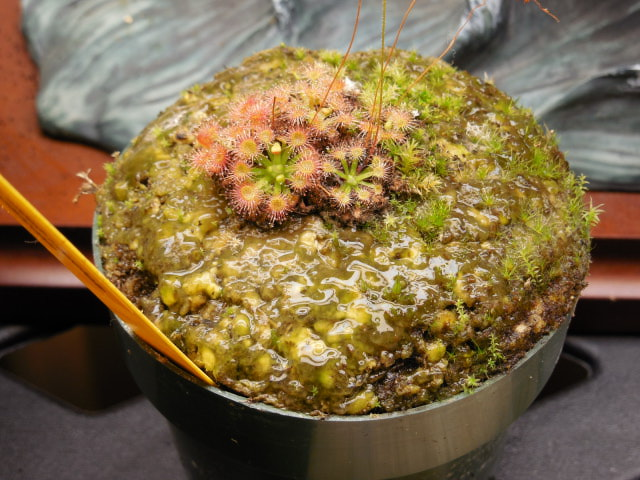
Green Slime Algae on Pygmy Sundew Soil: Removal and Prevention Under Artificial Lights
Green slime coating the soil surface of Drosera nitidula × pulchella grown under fluorescent lights—identified as slime algae, not mold. Requires mechanical removal plus environmental adjustment. Removal Protocol Scrap
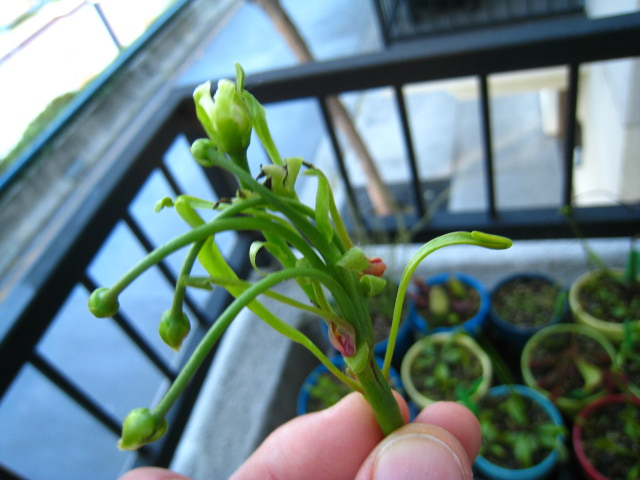
Mutant Venus Flytrap Flower Stalk: Hormonal Misfire Creates Plantlets
A Venus flytrap produced an abnormally thick, branched flower stalk with actual plantlets forming at nodes—complete with leaves and traps. A bird severed it, revealing the bizarre structure. Cause: Hormonal Misfiring Th
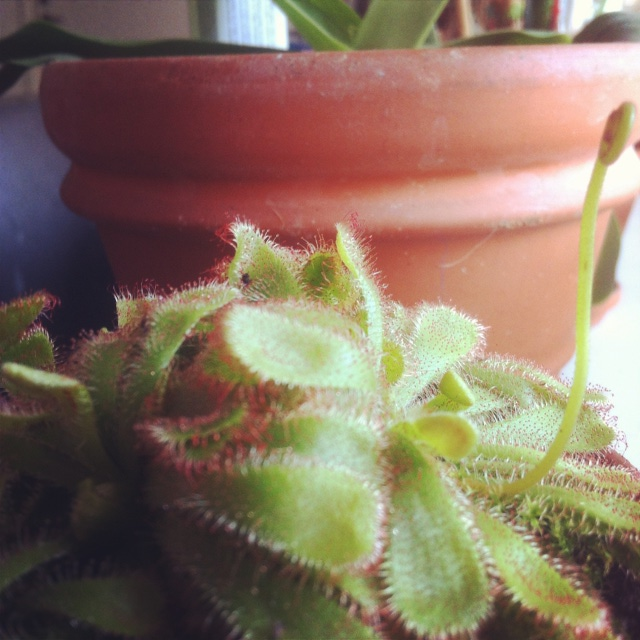
Drosera aliciae Care: Full Sun Requirement for South African Sundew
A new Drosera aliciae owner in Finland asks about balcony placement—direct sun or shade? The answer is definitive for this species. Sun-Loving Sundew D. aliciae originates from South Africas sunny habitats. With very fe
Perlite Alternatives for Sarracenia Soil: Silica Sand from North Carolina Coastal Plain
Cant find perlite without fertilizer additives? A North Carolina grower has access to the ideal natural alternative: silica sand from the coastal plain—the same material Sarracenia grow in naturally. Why Perlite Works (
Mosquito Control for Large Collections: Dunks vs. Bits for 30+ Trays
Managing mosquitoes across 30+ water trays requires both immediate and long-term solutions. Both Mosquito Dunks and Mosquito Bits use Bacillus thuringiensis israelensis (Bti)—safe for plants, animals, and beneficial inse
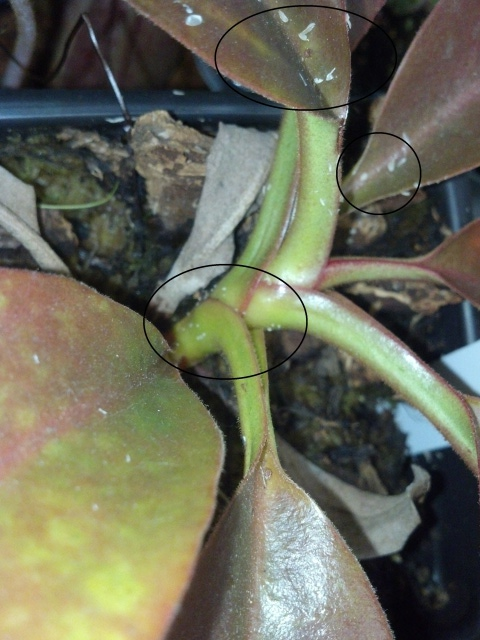
Mystery White Grains on Nepenthes: Sphagnum Debris vs. Scale Insects
A terrarium-grown Nepenthes shows white grains on leaves and base—initially alarming as potential scale insects. Close examination reveals a harmless cause. Diagnosis: Dried Sphagnum Debris Long-fiber sphagnum moss part
Understanding Water Mineral Content: Hardness, TDS, and Carnivorous Plant Safety
Water quality questions often center on mineral content—but what does that actually mean for carnivorous plants? Defining Water Hardness Hardness broadly refers to all dissolved minerals: calcium, magnesium, iron, heavy
Slug Control in Sarracenia Bog Gardens: Safe Bait Placement Strategies
Slugs attacking potted Sarracenia in a bog garden? Manual removal plus strategic bait placement protects plants without mineral contamination. Step 1: Manual Removal Inspect shady sides of pots, under rims, and around p
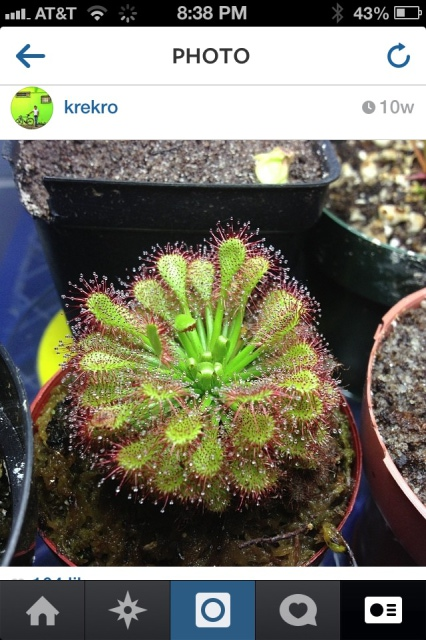
Drosera Hybrid Identity and Light Deficiency: Intermedia × Brevifolia Care
A growers Drosera intermedia turned out to be a hybrid (D. intermedia × brevifolia) producing offshoots and losing red coloration under a Burpee grow light. Diagnosis: insufficient light intensity. Identifying the Hybri
Preventing Fungus When Repotting Venus Flytraps: Sulfur Treatment Protocol
Repotting a Venus flytrap with visible mold on old soil? A simple sulfur fungicide application during repotting prevents carryover contamination. Step-by-Step Clean Repotting Rinse roots thoroughly – Remove all old soi
Copyright © www.100flowers.win Botanic Garden All Rights Reserved