
Feeding Mexican Butterworts Indoors: Alternative Food Sources When Insects Are Scarce
Feeding Options Rehydrated bloodworms (fish food) placed on leaves. High-protein fish flakes moistened with a drop of water. Foliar spray: orchid fertilizer at ¼ strength, weekly. Resources Detailed guides: Sarracenia

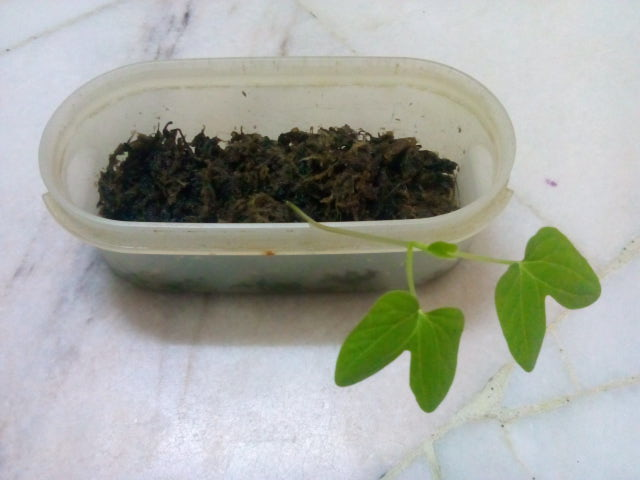
Identifying a Mis-sold Plant: Why This Is Not a Venus Flytrap
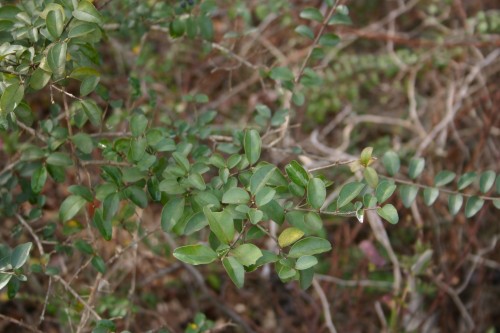
Red Flags A true Dionaea would die within weeks if fertilized (orchid moss contains fertilizer). The pictured plant is a non-carnivorous shrub. Buying Advice Purchase only from reputable carnivorous plant nurseries. Avo
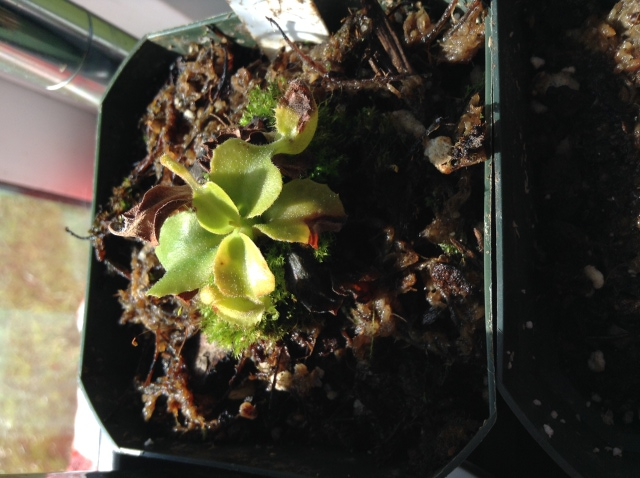
Encouraging Growth in Slow-Growing Nepenthes Truncata 'Pasian': Fertilization and Humidity Tips
Fertilize Orchid fertilizer at ¼ strength, every two weeks. This can stimulate growth in highland N. truncata, which is naturally slow. Humidity Boost Wide pebble tray under the pot + surrounding houseplants raises ambi
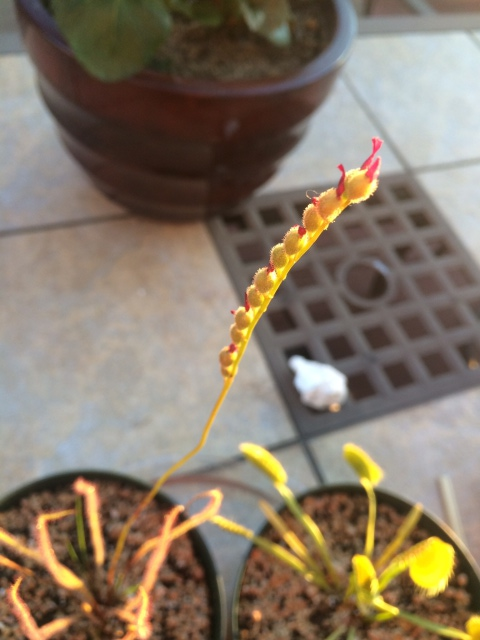
Collecting Seeds from Drosera Filiformis: Timing and Winter Dormancy Expectations
Seed Maturation After flowers shrivel, the stalk turns black. Pods ripen bottom-to-top over 1–2 weeks. When pods crack slightly, tap the stalk over white paper to collect seeds. Dormancy Follows The plant will then form
Sourcing Acephate 97UP for Scale Control: Online Suppliers and Mixing Ratio
Where to Buy Orchid growers commonly use Acephate; check orchid supply sites. One reliable source: domyownpestcontrol.com. Mixing Ratio 1 teaspoon per gallon of water. Apply as a spray + soil drench; repeat in 30 days.
Caring for Nepenthes Muluensis x Lowii: Avoiding Refrigerator Temperature Swings
Stability Over Simulation Daily moves to a 40–50°F refrigerator stress the plant. Nepenthes hate disturbance; they need a stable microclimate to adapt and pitcher. Better Approach Pick a bright windowsill (4+ hours dire
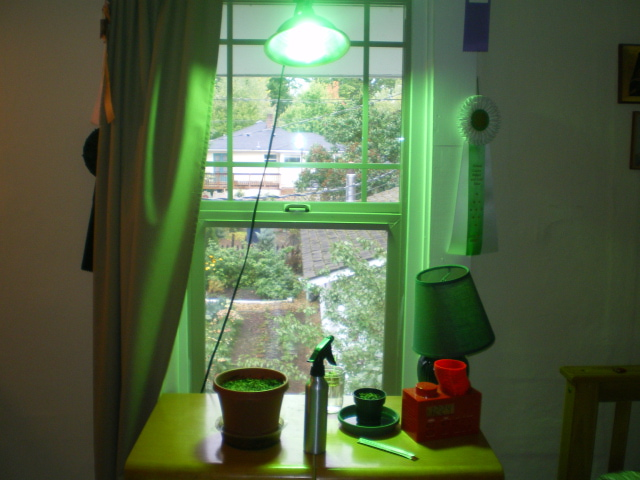
Providing Climbing Support and Shelf Space for Indoor Nepenthes on a Windowsill
Trellis Options Bamboo stakes + twist ties. Coated wire wrapped around stems. Commercial houseplant trellises (garden centers). Vertical Space Install a coated-wire shelf in the window to multiply growing area. Wire s
Germinating Nepenthes Seeds: Maintaining High Humidity with Propagation Domes
Humidity Is Key Under lights, ambient humidity is too low. Use clear propagation domes over seed trays (e.g., 1020 tray with dome). They’re easier to monitor and more reliable than plastic bags. If you have a humid gree
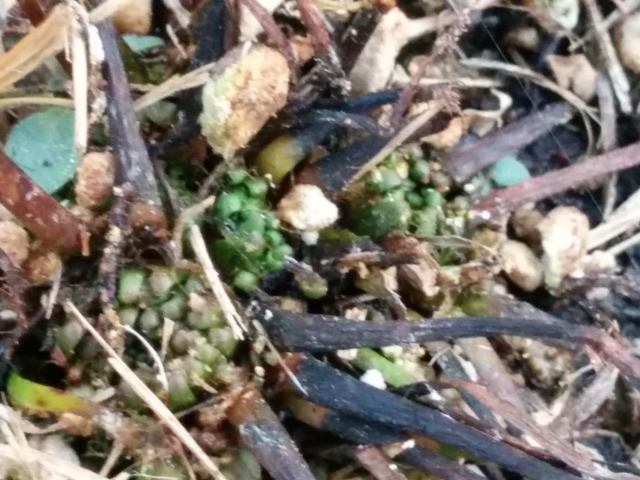
Recognizing Hibernacula in Temperate Sundews: Normal Dormancy for Drosera Filiformis
Winter Resting Buds The small green buds at the base are hibernacula—normal for D. filiformis in autumn. The plant will appear dead through winter, then re-emerge in spring, unfurling like a fern. Early Dormancy Adaptat
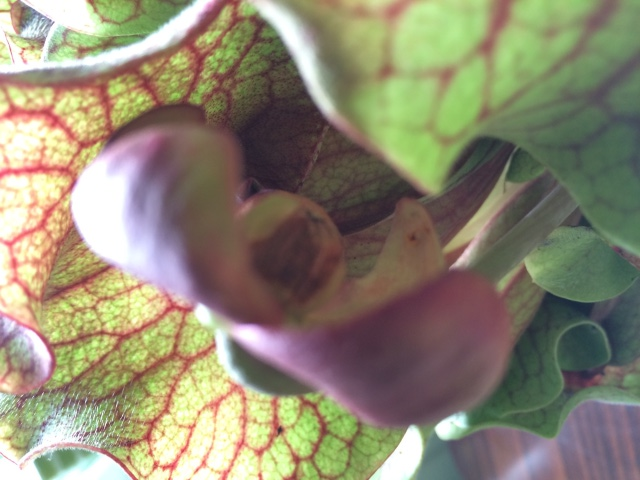
How to Tell If a Sarracenia Purpurea Flower Has Been Pollinated: Ovary Development Signs
Visual Cue A plump, round ovary indicates successful pollination. In a couple weeks, it will brown completely and split open, revealing seeds. Flower
Choosing the Right Color Temperature for Nepenthes Under T5 HO Fluorescent Lights
3000K Is Too Warm 3000K mimics High Pressure Sodium—plants grow but rarely pitcher. Nepenthes need 5000–6500K for proper pitcher development. Recommendation Use 6500K T5 HO tubes (standard grow-light spectrum). Most Nep
Mosquito Dunks (Bti) Round dunks take ~3 days to kill larvae; permeating soil takes longer. Double the dose for heavy infestations. Top-water with dunk-soaked water to distribute toxin deeper. Faster Knockdown Mosquito
Preventing Phytophthora Root Rot in Darlingtonia: Cultural Practices Over Chemical Drenches
Tebuconazole (Bayer Disease Control) Can be used as a root dip at transplant or soil drench. It suppresses but does not cure Phytophthora. Best Prevention: Culture Well-draining media (coarse sand, perlite, peat). Pots
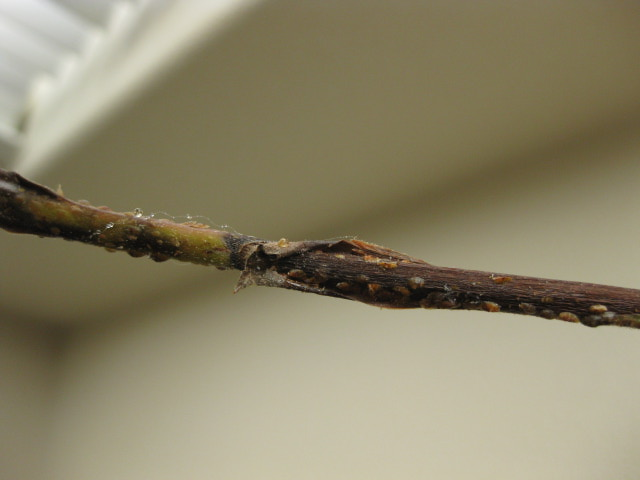
Identifying and Treating Scale Insects on Nepenthes: Systemic Insecticide Application
Recognizing Scale Sticky leaves (honeydew) are the first sign. Adult scales appear as immobile bumps on stems and leaf undersides. Crawlers are microscopic. Effective Treatment: Acephate (Orthene) Systemic organophosph
Overwintering Temperate Sundew Leaf Cuttings: Outdoor vs Indoor Strategies
Decision Based on Size and Frost Date If plantlets are large enough to form hibernacula before hard frost, keep them outdoors with frost protection (cold frame, mulch). In Columbia, SC, first frost is typically November—
Ant Infestations in Bog Gardens: Distinguishing Ant Damage from Natural Dormancy
Seasonal Decline vs. Ant Damage Mid-October: Sarracenia and Dionaea naturally approach dormancy—older leaves/traps brown and drop. This can look like decline. Send a photo for confirmation. Ant Control Use boric acid-ba
Growing Drosera Regia in Warm Climates: Cooling Strategies with Terracotta Pots and Water Management
Summer Cooling Tactics Large unglazed terracotta pot: evaporative cooling through walls. Daily top-watering with cool water, especially evenings. Nighttime temperature drop is critical; lack of it causes heat exhaustion
Recovering Drosera Adelae from Light Stress: Pruning Dead Growth and Adjusting Light Levels
Symptoms of Excess Light D. adelae is shade-tolerant. Sudden exposure to intense light (Metal Halide, T5 HO) causes browning, mold on dead tissue, and loss of dew. The plant was likely grown in lower light before you rec
Matching Clamp Fixtures to CFL Wattage: Safety Check for Grow Light Setups
Fixture Rating vs. Actual Wattage Clamp fixture rated for 150W incandescent (hot). Your CFL draws only 42W actual—well within limit. CFLs run much cooler. Practical Tip Ballast base on some CFLs may not fully seat in de
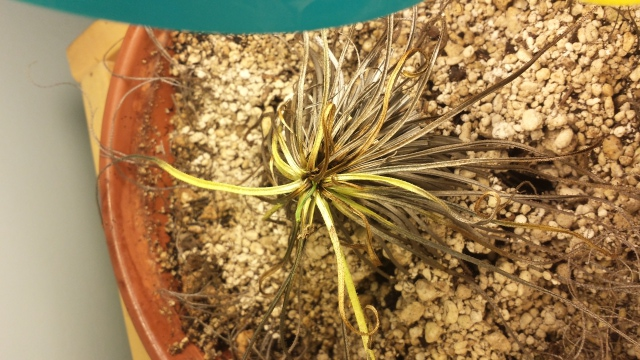
When Droserophyllum Lutescens Is Beyond Saving: Recognizing Root Loss and Starting Over
Terminal Decline Once Drosophyllum (Dewy Pine) shows extensive browning and collapse, the root system is usually dead. No recovery is possible. Next Steps Obtain fresh seed and restart. Ensure a well-draining, alkaline
Copyright © www.100flowers.win Botanic Garden All Rights Reserved