
Should You Let Venus Flytraps Flower? Expert Guidelines for Pollination
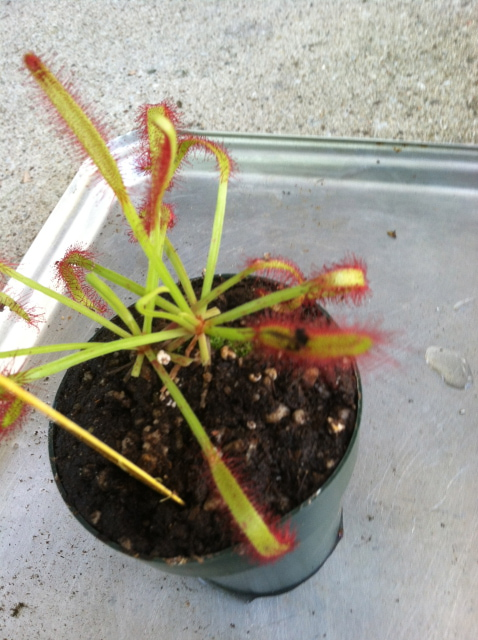
To Flower or Not to Flower Flowering costs energy. Young, recently transplanted, or weak plants (like those from “death cubes”) should have flower stalks removed as soon as they appear. Well-established plants (2+ years

Dealing with White Mold on Carnivorous Plant Soil: Causes and Solutions
Identifying the Problem White fuzzy mold on peat-based soil is common in indoor setups, especially during winter when homes are sealed. Spores land on moist peat and germinate. Initially harmless, heavy growth can smothe
Sarracenia Dormancy: Understanding Pitcher Browning and Seasonal Growth
Why Sarracenia Pitchers Brown in Autumn As days shorten and temperatures drop, Sarracenia naturally slow down. The browning of pitcher lids while the tube remains red is a classic sign the plant is entering dormancy. New
Separating Drosera Capensis and Aliciae: When and How to Divide Your Sundews
Dividing Drosera Capensis and Aliciae When your Drosera aliciae has produced multiple crowns, you can separate them into individual pots once the new shoots are well developed. Wait until the plantlets have a decent root
Overwintering Sarracenia in Pittsburgh Garage: Practical Steps
A Pittsburgh grower has S. ‘Scarlet Belle’, ‘Tarnok’, ‘Yellow Jacket’ in tubs; asks about garage storage (unheated) vs. outdoor mulching. Garage Is Best for Small Collection Keep damp, not waterlogged. Trim dead foliage
Venus Flytrap Dormancy: Two Months Minimum, Not Tropical Culture
A grower asks if care sheet permission to “bring out of dormancy early” means growing flytrap like a tropical sundew all winter. “Early” Means Late February, Not Now Natural emergence here is early April. Less than 2 mo
Drosera capensis/spatulata Under Red-Only LED: Light Quality Issue
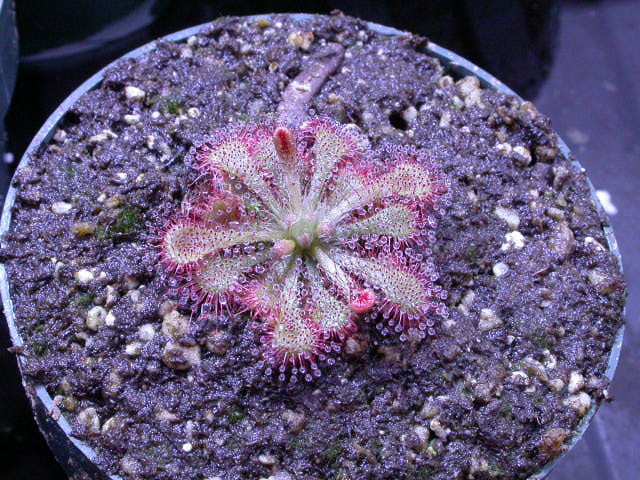
A grower moved new D. capensis and D. spatulata indoors under a red-only LED (sold as grow light) after outdoor shuffling. D. capensis turned intense red, one leaf curled, gland heads blackened mid-leaf. D. spatulata new
Nepenthes glabrata Leaf Discoloration Resolved by Cooler Nights
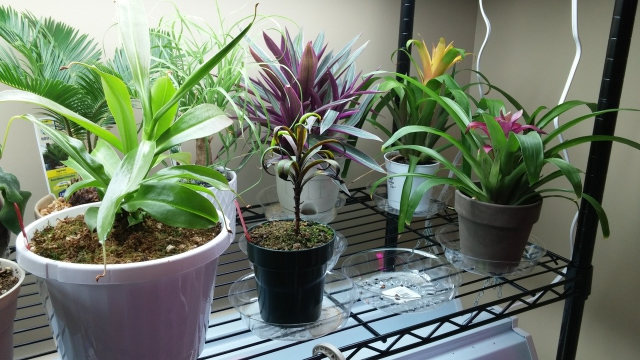
A grower’s N. glabrata showed blotchy yellow/brown leaves. Suspecting high night temps (75°F), lowered to 55°F; new growth is bright green. Day 85°F, 12-hr 6500K light, sphagnum/perlite, DI water. Also used Trichoderma a
Cephalotus Outdoors in German Winter: Not Recommended
A Cologne grower keeps Cephalotus outside (nights 2–3°C, rarely below 5°C) with Dionaea/Sarracenia. Asks if it needs dormancy and can tolerate sub-zero. German Winters Are Too Cold Cephalotus handles brief frosts but no
Sarracenia Seedling Roots Exiting Pot Bottom: Time to Up-Pot
A grower’s indoor Sarracenia seedlings (skipping dormancy) have roots dangling in the water tray. Common and Harmless If Tray Stays Wet Not a problem while water is present. It signals the plant needs a larger pot. Spec
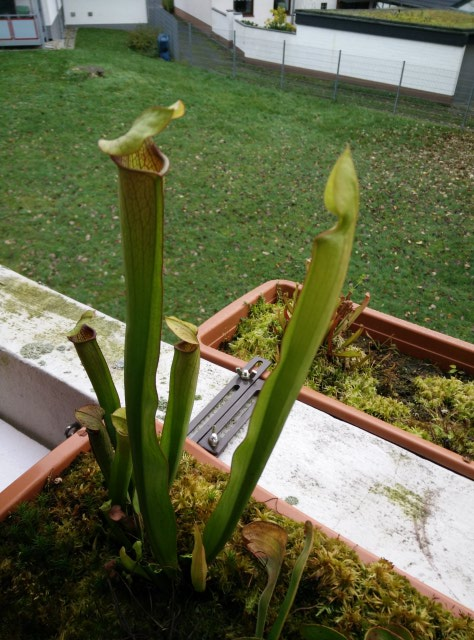
Winter Sarracenia Trimming: Phyllodia Stay, New Pitchers Trimmed Selectively
A grower trims pitchers ruthlessly in winter per prior advice, but asks: (1) why leave phyllodia on S. flava/oreophila if they transpire? (2) Should new pitchers on S. leucophylla/rubra be trimmed now? Phyllodia Are Ada
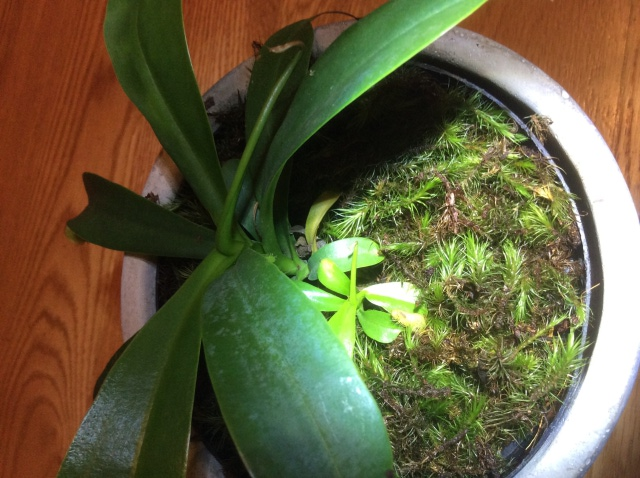
Unknown Moss as Nepenthes Mulch: Test Cautiously
Same South African grower (different name) asks about needle-leaved dried moss as mulch for Nepenthes in coco husk/perlite. Species Unknown—Monitor Closely Without ID, safety is uncertain. Some mosses are fine; others b
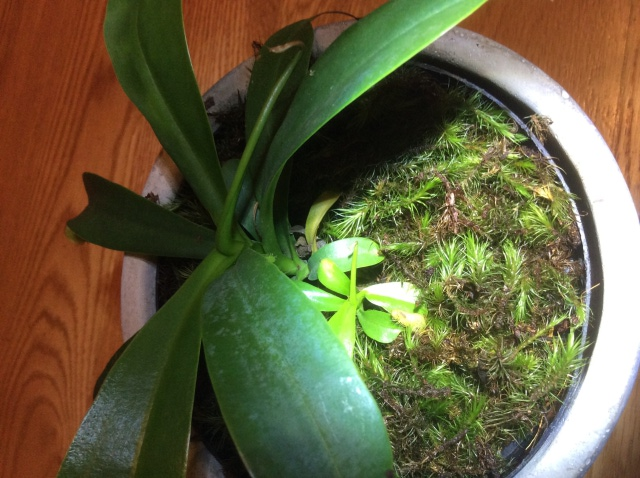
Non-Sphagnum Moss Mulch for Nepenthes: Safe as Top-Dressing Only
A South African grower uses 3:1 coco husk:perlite for Nepenthes; surface dries fast (45% day/39% night RH). Couldn’t find sphagnum; bought dried “florist moss” with needle-like leaves. Asks if safe as mulch. Top-Dressin
Fungus Gnat Larvae on Pinguicula grandiflora Resting Buds: Mosquito Dunks Solution
A grower found a few fungus gnat larvae near P. grandiflora resting buds during dormancy cleanup. Use Bti (Mosquito Dunks) Water Soak a Mosquito Dunk in a watering can for 2 days; water the plant and any houseplants. Th
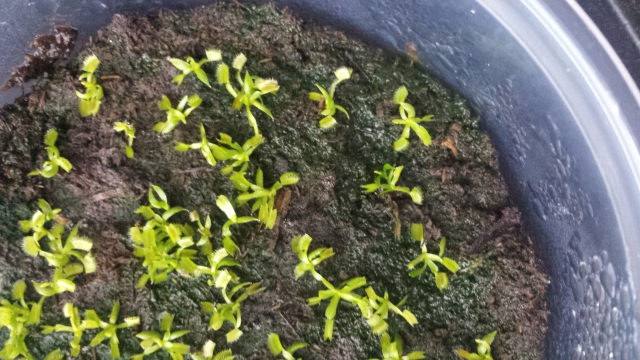
Venus Flytrap Seedlings: First Winter Can Skip Dormancy
A grower sowed Dionaea seeds late September; asks if they can skip first dormancy under lights like Sarracenia seedlings. First Year OK; Second Year Requires Dormancy Keep under lights the first winter. By year two, the
Venus Flytrap Dormancy Trimming: Leave a Few Winter Leaves
A Zone 6A/7 grower asks whether to trim all leaves before garage dormancy (tray freezes on cold nights). Trim Long Leaves; Keep 3 Small Traps In a sheltered garage, remove long leaves, leave ~3 small winter traps. Flytr
Cold-Hardy Sundews and Butterworts for High-Elevation Pest Control
A rancher at high elevation with cold winters wants carnivorous plants for organic gnat control in the garden, possibly in a greenhouse. Hardy Species Exist, But Not for In-Ground Pest Control Cold-hardy sundews: D. rot
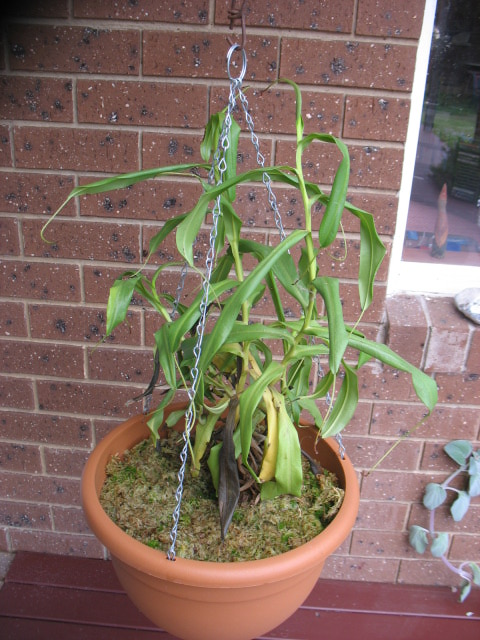
Nepenthes in Self-Watering Pot: Root Rot from Pure Sphagnum
An Australian grower’s 6-year Nepenthes (hanging pot, south-facing veranda, filtered sun) went limp and stopped pitchering after repotting into pure sphagnum in a self-watering pot. Media Too Waterlogged; Repot with Per
Cephalotus follicularis in San Antonio: Winter OK, Summer Fatal
A San Antonio grower (Zone 8b/9) asks if Cephalotus can live outdoors year-round. Winter: Possibly; Summer: No Brief frosts to ~28°F are tolerated (SW Australia climate ≈ Central CA). But San Antonio summers are far too
Physan 20 Fungicide: Overuse Can Burn Roots
A German grower sprays Physan 20 monthly in winter, drenching crowns/rhizomes, and asks about overuse risks. Quaternary Ammonium Compounds Can Burn Tissue Physan 20 is a disinfectant-class chemical. Overuse burns roots
Copyright © www.100flowers.win Botanic Garden All Rights Reserved