


Buffalonut (Pyrularia pubera) is a native, parasitic shrub found in the Appalachian mountains, including North Georgia. It attaches to the roots of host trees and shrubs—primarily oaks, pines, and other hardwoods—via specialized structures called haustoria, drawing water and nutrients.
Do not eat and do not feed to wildlife. The fruit contains toxic compounds that can cause severe gastrointestinal distress, neurological symptoms, and even death if consumed in large quantities. Squirrels and other animals typically avoid it instinctively.
Despite its toxicity, buffalonut is a natural component of healthy mountain ecosystems. Its parasitic habit is usually not lethal to mature host trees. It's an interesting find for native plant enthusiasts—but one to admire from a distance.
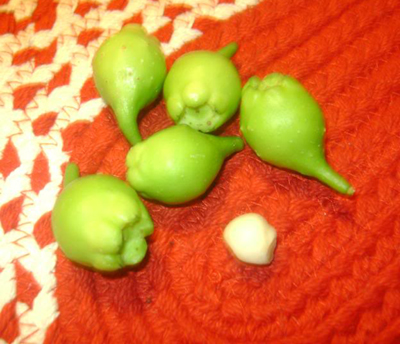
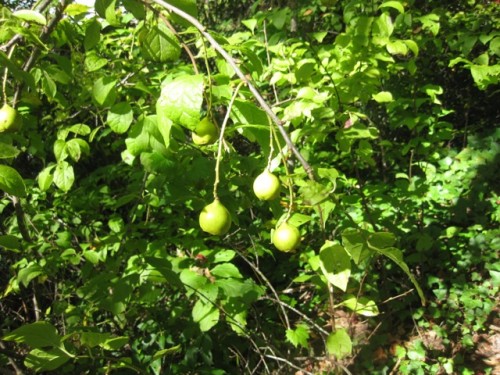
buffalonut
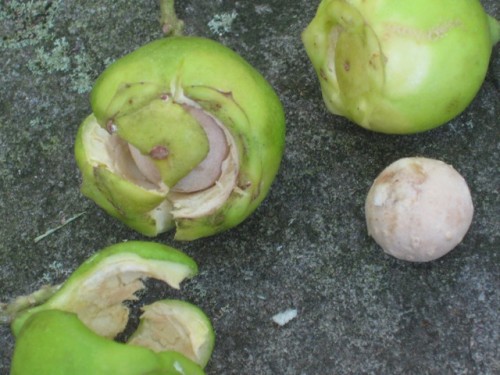
buffalonut
Why Growing Pecans from Seed Is Unreliable
Nutsedge (Nutgrass) Invasion: Why It's Nearly Impossible to Eradicate
Solarization for Nutsedge Control in St. Augustine/Bermuda Lawns
Identifying and Controlling Nutsedge (Nutgrass) Organically
Battling Nutsedge and Crabgrass in a Cincinnati Lawn
Organic Nutsedge Control in Arizona Lawns: Building Soil Health to Suppress Weeds
Hazelnut Tree Not Producing Nuts? You Likely Need a Pollinator Partner
Preventing Hickory Nut Production: Chemical Options and Realities
Walnut Toxicity: Redbud Death, Beech Survival List
Identifying Chinaberry: A Toxic, Invasive Tree
Nutgrass in Zoysia: Sugar Feeds Microbes, Not Weeds
Low-Maintenance Landscaping: Six Strategies for Easy Yard Care
Winter Landscaping Ideas: 6 Ways to Add Beauty to Your Cold-Season Garden
Copyright © www.100flowers.win Botanic Garden All Rights Reserved