Cold Damage and Light Deficiency in Nepenthes: Recovery Steps for Indoor Growers
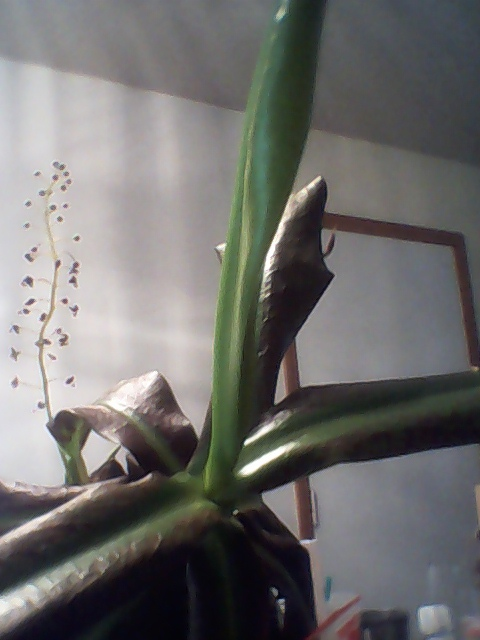
Diagnosis: Cold Damage + Low Light Brown patches on leaf edges, brown midrib near tip, leaf curling—classic cold damage. Plants were on an uninsulated porch; night temps likely dropped too low. Indoor 60W household light

Controlling Mold After Scale Insect Treatment on Nepenthes: Flushing, Fungicides, and Prevention
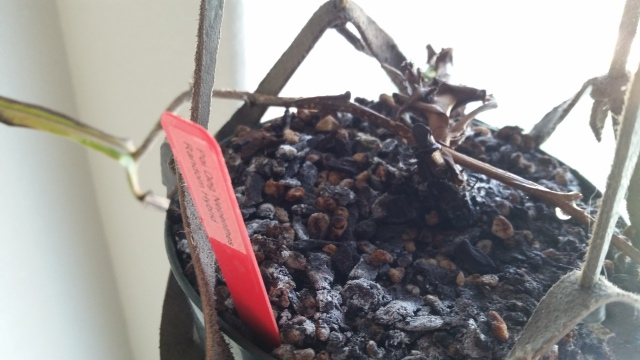
Why Mold Explodes Post-Treatment Dead scale insects and their honeydew create a nutrient-rich substrate for mold. The infestation itself, not the insecticide, triggers the outbreak. Immediate Steps Take plants outside;

Managing Live Sphagnum Top Dressing for Sarracenia and Venus Flytraps During Dormancy
Sarracenia: Leave It Live sphagnum creates an acidic, antifungal surface—beneficial for Sarracenia. It’s natural for them. Venus Flytraps: Monitor Crown If sphagnum engulfs the crown, gently pull it back to prevent crow
Variability Is the Norm Even within a genus, species have distinct preferences: soil moisture, depth, pH, temperature range. Local climate, water quality, and growing method (tray vs. top-water) further shift optimal con
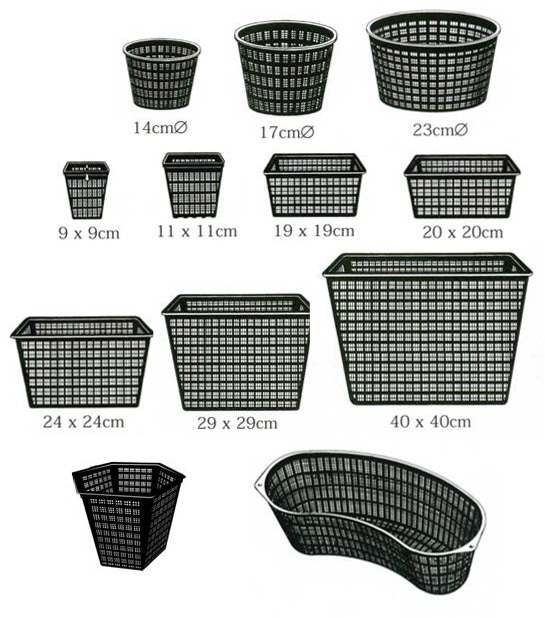
Why Aquatic Plastic Pots Aren't Ideal for Cephalotus and Darlingtonia: Better Alternatives
Grid Pots: Designed for Ponds Aquatic pots dry too fast, expose roots, and are meant for submerged marginal plants. They lack the moisture retention Cephalotus needs (sandy mix) and the evaporative cooling Darlingtonia r
Winter Mulching Strategies for Carnivorous Plants in Cold, Dry Climates
Effective Protection for Zones 6/7 Trim dead foliage from Sarracenia and Dionaea (leave a few small flytrap traps). Spray with sulfur fungicide. Wrap the entire pot in breathable fabric (weed barrier, Remay). Bury the w
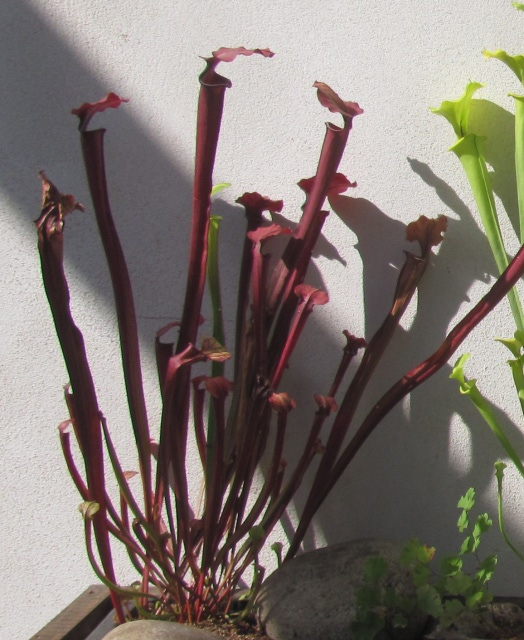
Sarracenia Hybrid Identification: Flava Atropurpurea Cross and 'Loch Ness' Cultivar
Plant 1: S. flava atropurpurea × S. rubra gulfensis Thin pitchers and small pitcher morphology point to this natural hybrid combination. Plant 2: S. × excellens ‘Loch Ness’ Classic S. leucophylla × S. minor hybrid, orig
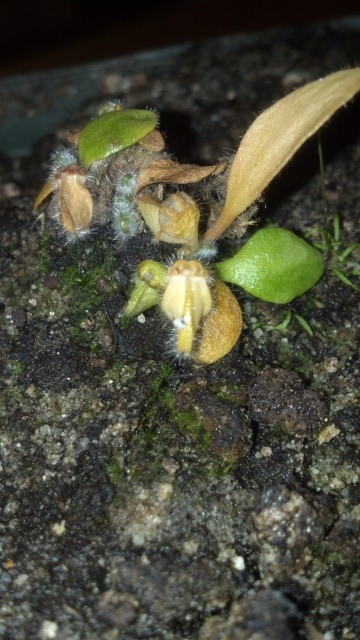
Cyclic Yellowing in Cephalotus: Heat Stress, Light Intensity, and Terrarium Conditions
Diagnosing the Cycle Repeated yellowing of new pitchers suggests environmental stress. In a terrarium under CFLs, check: Temperature: High temps + bright light = sun-bleaching. Light distance: CFLs too close can overhea
Growing Drosera Regia: Soil Mix, Pot Size, and Light Requirements for King Sundews
Soil Mix Use a light, well-draining mix: 2 parts perlite : 1 part peat, or the “coarse mix” (1 sand : 2 perlite : 1 peat). This cools roots and prevents rot. Pot Size Go as large as space allows—12-inch deep terracotta
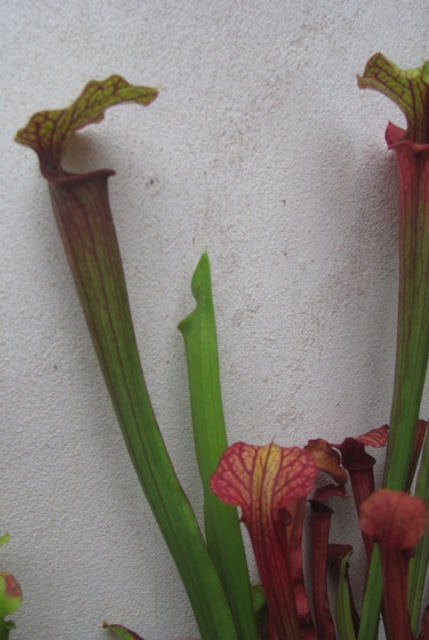
Identifying Unknown Sarracenia Hybrids: Using Photo Resources and Expert Tips
Complex Hybrid Challenges Your plant shows traits of multiple species, suggesting a complex hybrid. Without known parentage (e.g., open-pollinated seedling), exact ID is impossible. Best Identification Tool Compare your
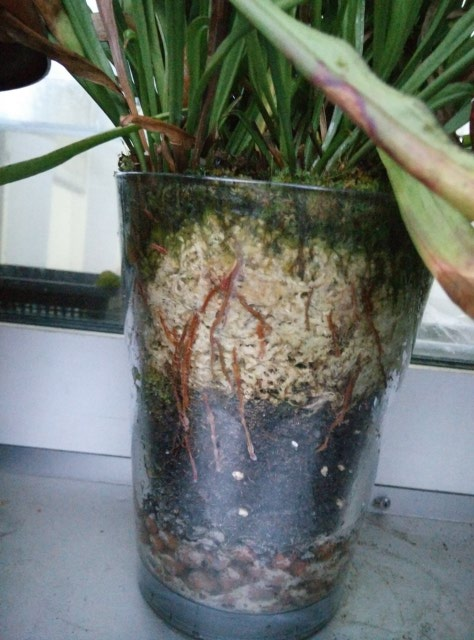
Removing Sarracenia from Undrained Glass Containers: Safe Repotting Techniques
Easy Extraction Because the vase is straight-sided and glass, the root ball should slide out intact. At late winter dormancy, grasp the leaf mass firmly and pull gently. No need to break the glass or dig with tools.
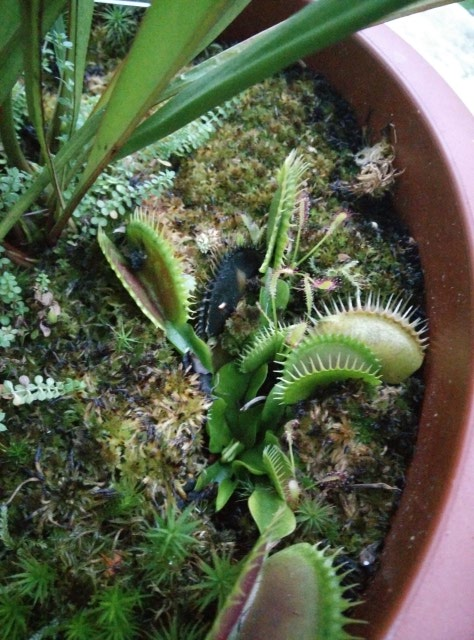
Venus Flytrap Rhizome Growth: When to Repot and Seasonal Trap Orientation
Natural Rhizome Behavior Dionaea rhizomes naturally grow deeper over time. Wild plants exhibit the same habit. No need to repot solely for this unless the pot is crowded or the medium is breaking down. Seasonal Trap Pos
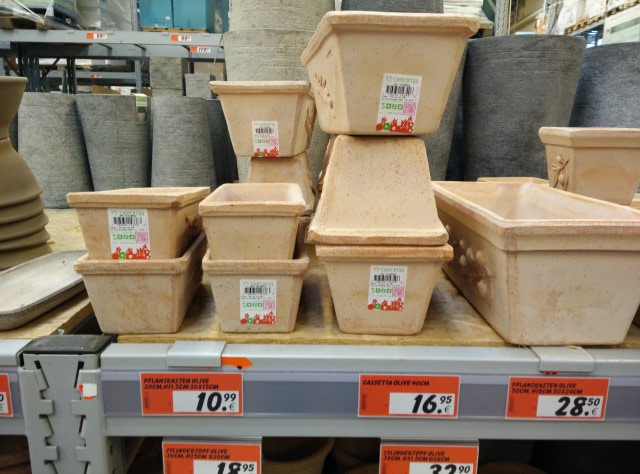
Choosing the Right Terracotta Pots for Darlingtonia, Cephalotus, and Drosophyllum
Porosity vs. Durability Standard terracotta provides ample evaporative cooling for Darlingtonia roots. Italian terracotta is more porous but may be more brittle or prone to chipping. Test a few; the cooling effect of reg
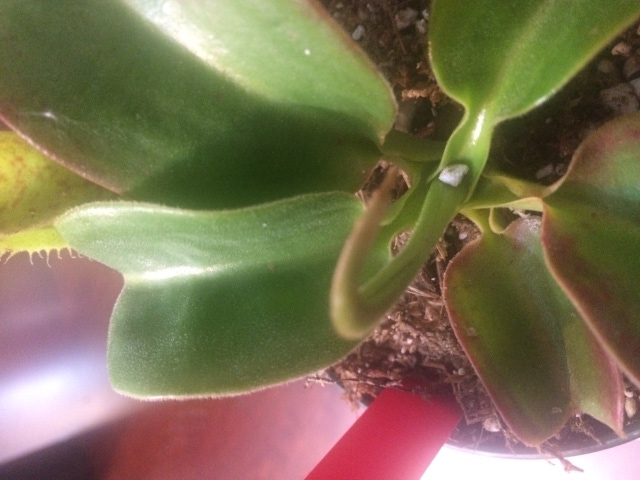
Diagnosing Leaf Browning in New Nepenthes: Acclimation, Lighting, and Species ID
Acclimation Stress Newly shipped Nepenthes often show edge browning as they adjust to new humidity, light, and water. Give 2–3 weeks before judging. The fuzzy brown tip on new leaves is normal emerging trichomes. Lighti
Troubleshooting Stunted Sarracenia Alata: Division Stress and Cool Summers
Recent Division + Flowering = Stunting If your S. alata was a fresh division and the flower wasn’t removed, the plant diverted energy to flowering at the expense of pitcher growth. Next season it should normalize. Cool
Winter Protection for Potted Carnivorous Plants: Mulching, Covering, and Pitcher Trimming
Protecting Pots in Freezing, Dry Conditions Cold alone rarely kills temperate carnivores; dehydration from frozen, windy conditions does. Place pots on the ground (not on benches) against a building for radiant heat. Wra
Boosting Pinguicula Gigantea Growth: Soil Amendments and Feeding Strategies
Soil pH Matters Mexican butterworts like P. gigantea naturally grow in alkaline, gypsum/limestone soils. Add 1 tablespoon of powdered dolomitic lime per cup of your peat/sand/pumice mix. This simple amendment often trigg
Evaluating LED Grow Lights for Nepenthes and Seedlings: What Works Best
LED vs. Fluorescent LED grow lights vary widely in spectrum and intensity. Many full-sun carnivores (sundews, Sarracenia) thrive under bright LEDs if the lux level is high enough. Nepenthes are more sensitive to spectrum
Reviving Drosera Capensis: Proper Watering and Lighting for Cape Sundews
Water: The Critical Factor Drosera capensis is a bog plant—its soil must stay constantly wet. Use the tray method: keep the pot in ¼ inch of distilled water. Never let the medium dry out. The thick roots of D. capensis a
Using Pest Strips for Scale and Mite Control on Carnivorous Plants
How Pest Strips Work Pest strips (dichlorvos) release a vapor that kills a wide range of arthropods, including scale insects and spider mites. They are highly effective in enclosed spaces (“kill boxes”). Safety Consider
Copyright © www.100flowers.win Botanic Garden All Rights Reserved