

Troubleshooting Browning Sarracenia in Arizona Heat
The Challenge: Growing Sarracenia in Extreme Heat Growing North American pitcher plants in Scottsdale, Arizona (low 100s°F days, single-digit humidity) presents unique challenges. While these plants love full sun, the co


Transplanting Baby Nepenthes: When and How to Separate Offsets
Can You Separate Baby Nepenthes? Yes, you can transplant the small basal shoots (often called babies) that form around the base of mature Nepenthes. These offsets develop their own root systems and can be potted individu
Why Your Venus Flytrap Is Browning After Terrarium Repotting
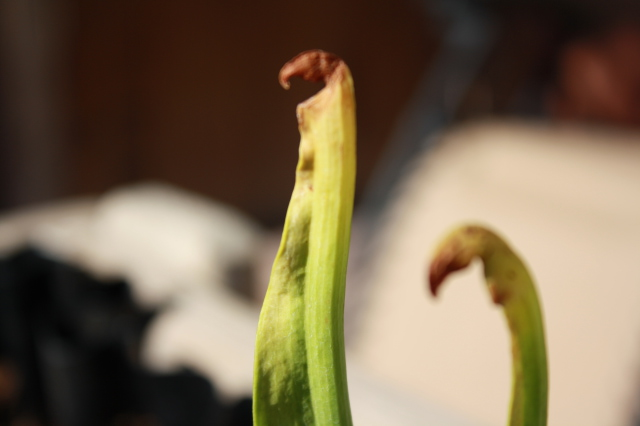
Understanding the Problem Many new Venus flytrap owners make the mistake of placing their plants in enclosed terrariums, thinking the high humidity mimics their native bog environment. However, Venus flytraps actually th
Nepenthes Not Pitchering Indoors: Light Distance and UV
Move Plants Closer to the Window; Check for UV‑Blocking Glass Two Nepenthes (Miranda and Lady Pauline × spatulata) 2 feet from a SW window get insufficient light. Light intensity drops exponentially with distance. Fixes
Trimming Dead Leaves on Drosera spatulata
Optional Cosmetic Cleanup Rosetted sundews like D. spatulata naturally keep a skirt of dead leaves. Removing them is fine if easy; it reduces mold risk in humid conditions. If they’re stubborn, leave them—no harm done.
Brown Spots on Nepenthes 'Miranda' Leaves: Sunburn or Leaf Miners?
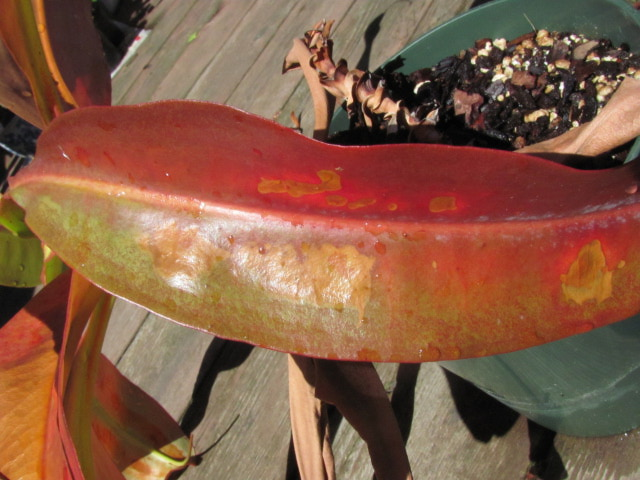
Two Likely Causes for Mid‑Leaf Necrosis A 5‑year‑old N. Miranda developing brown patches on middle‑aged leaves in spring (before moving outdoors) suggests: Early sunburn: Plant is less UV‑adapted after winter indoors. M
Groundcovers for Sarracenia Pots: Carnivorous Plants Only
Live Sphagnum and Hardy Carnivores Make the Best Mulch Non‑carnivorous groundcovers become invasive in the nutrient‑poor, wet conditions Sarracenia need. Instead: Live sphagnum: Sow in winter around the plant. Hardy sun
When to Move a Seedling Pitcher Plant Outdoors
Year 3–4 for Safe Outdoor Transition A pitcher plant from a kit (likely Sarracenia) with 16 small pitchers after ~1 year is on track. By year 3 it will resemble its adult form; year 4–5 brings first flowers. Accelerate w
Cephalotus Placement in Zone 9 Florida: Morning Sun, Terracotta Pot
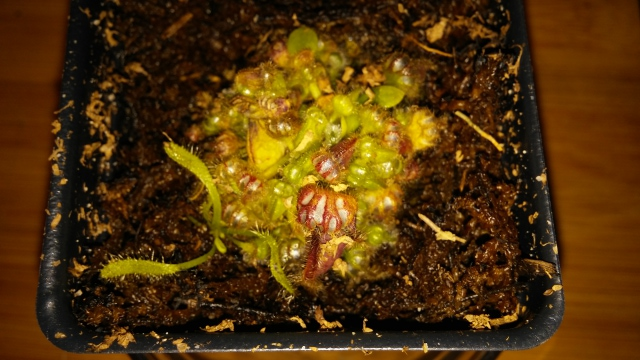
Outdoor Is Better—If You Pick the Right Spot In Pasco County, FL (zone 9), summer nights stay in the 70s°F—warm for Cephalotus, but outdoors with morning sun and afternoon shade beats a dim windowsill. Optimize Condition
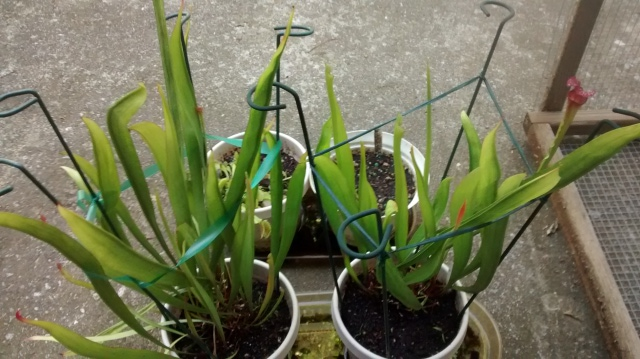
Daina's Delight Sarracenia: Early Summer Phyllodia and Low Light
Flat Leaves in June Are Normal; Pale Color Means More Sun Needed Sarracenia Dainas Delight (leucophylla parentage) produces phyllodia (non‑carnivorous leaves) in early summer—this is genetic, not a problem. The Real Issu
Drosera binata Leaf Tip Die‑Back: Copper Stakes and Dormancy
Blackened Fiddleheads Signal Root Zone Toxicity or Missing Rest New leaves blackening at the tip before unfurling on a D. binata suggests: Copper stakes: If copper wire was driven into the soil, it poisons roots. No win
Venus Flytrap Seedlings: Slow Growth Is Normal
You Beat the Odds—Most Kit Seeds Are Dead Congratulations on 8/40 germination! Most “seed kit” seeds are far past their 90‑day viability. Your seedlings are growing at normal speed—flytraps take 3–5 years to mature from
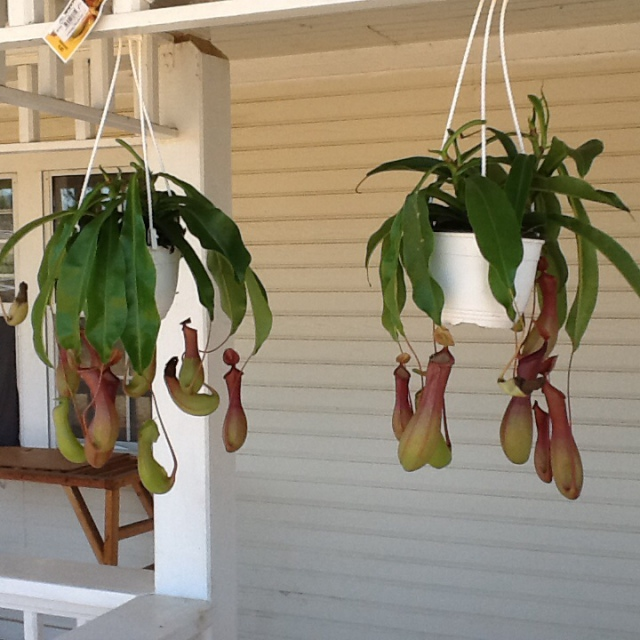
Identifying a Monkey Cup: deRoose's Alata Hybrid
Commercial Hybrid: (alata × ventricosa) × alata The plant in your photos is “deRoose’s alata,” a mass‑produced Nepenthes hybrid. It’s vigorous, easy to grow, and an excellent re‑entry plant for hobbyists returning after
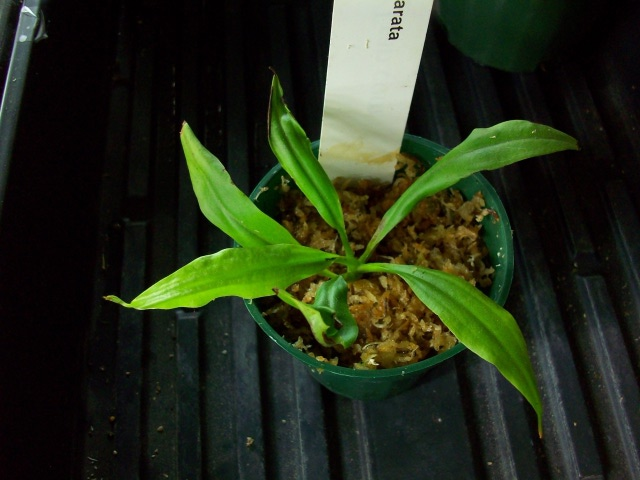
T5 HO Lighting for a Nepenthes bicalcarata Closet Grow
Choosing and Using a 4‑Foot 2‑Lamp T5 Fixture Both the HTG Supply and Sunblaze 8‑lamp units deliver ~10,000 lumens—over 3× a T8. For a 10‑gallon tank: Use 6500K (daylight) bulbs for vegetative growth. Mount on the tank
Can Carnivorous Plants Grow in Garden Soil?
No—They Need Artificial Bog Conditions Typical yard soil is too rich in nutrients and not wet enough. Carnivorous plants require low‑nutrient, acidic, peat‑based media. Outdoor Options Container bog gardens (lined pond
Heliamphora Recovery: Cool Nights, Top‑Watering, Light Feeding
Slow but Steady Comeback for a Young Heliamphora New pitchers emerging after a rough start indicate the plant is alive. To support it: Place in the coolest part of the greenhouse (night temps near outdoor lows). Top‑wat
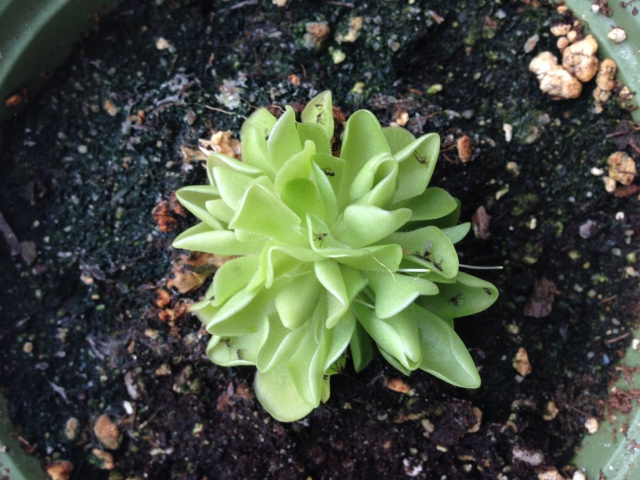
Pinguicula moranensis Producing Multiple Offshoots After Dormancy
Clumping Is Normal for Mexican Butterworts A P. moranensis that emerged from winter with four growth points and small, sticky leaves is behaving normally. It went dormant, then produced multiple offshoots (pups). Options
Damaged Sarracenia Hood: Cut or Keep?
Personal Choice—Either Is Fine A torn hood on a Sarracenia Dainas Delight pitcher won’t harm the plant. Rain enters pitchers naturally even with intact lids. Cut it off for aesthetics. Leave it and stake the pitcher upr
Copper Wire Stakes and Dormancy: Two Causes of Drosera binata Decline
Toxic Copper and Missing Winter Rest A Drosera binata that declines after staking with copper wire likely suffered copper toxicity—copper is poisonous to all plants. If the wire was stuck in the soil, it leached into the
Planting Bare‑Root Darlingtonia in a North Carolina Bog
Bog Garden vs. Potted: Both Work in Zone 8 Walnut Cove, NC (USDA 8) matches the Oregon nursery climate. You can: Plant directly in the bog: Keep drip irrigation at the crown. No seasonal moving needed. Keep potted: Use
Copyright © www.100flowers.win Botanic Garden All Rights Reserved