


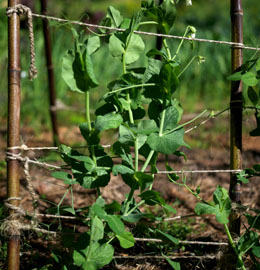
A trellis transforms sprawling vines into vertical producers—saving space, improving air flow, easing harvest, and adding garden architecture. Build one in hours with basic materials.
Starting a Vegetable Garden: The 30-Day Challenge Begins
How to Start a Vegetable Garden: 6 Steps from Soil to Harvest
How to Build an Indoor Herb Garden: Step-by-Step Guide
How to Create an Organic Vegetable Garden Plan
How to Build a Raised Garden Bed: Simple DIY Guide
Growing a Vegetable Garden from Seed: Outdoor Planting Steps for Beginners
Planning Your First Vegetable Garden: From Site Selection to Staple Crops
Starting a Vegetable Garden: A Beginner's Guide to Planning, Planting, and Harvesting
How to Build a Backyard Pond: Complete DIY Guide
How to Grow a Vertical Vegetable Garden: A Beginner’s Step-by-Step Guide
Vegetable Gardening for Beginners: A Complete Guide to Growing Your Own Food
Planning and Planting a Successful Vegetable Garden from Scratch
How to Start a Cool-Season Vegetable Garden for Fall, Winter, and Spring Harvests
Copyright © www.100flowers.win Botanic Garden All Rights Reserved