
No Carnivorous Plant Survives 120°F: Choose Heat-Tolerant Species or Cool the Conservatory
Reality Check 120°F (49°C) kills all carnivorous plants. Even the most heat-tolerant (VFT, Sarracenia) max out at 110°F for short periods with ample water. Best of Your List Drosera binata and D. rotundifolia are most h

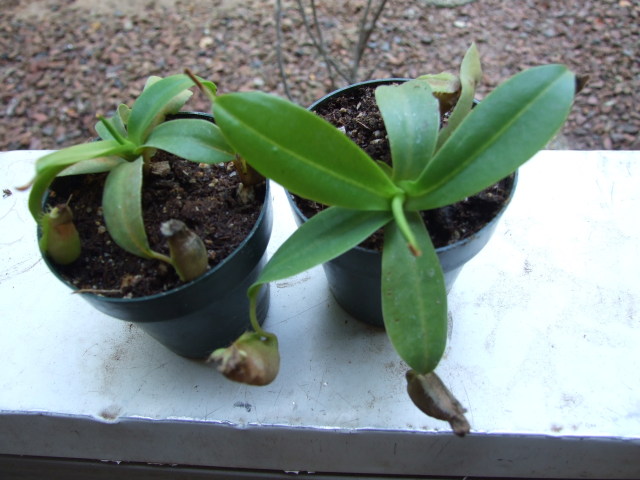
Nepenthes talangensis After Tip Cutting: Patience for Basal Shoot Emergence
What to Expect New growth emerges from a dormant node below the cut. This can take 3-4 months. Maintain stable conditions: Bright light, consistent 60-70°F. Even moisture; no big wet/dry swings. No fertilizer. If No G
Deer-Damaged Sarracenia 'Judith Hindle': Replant in Bog Now and Trim Foliage
Immediate Steps Replant in bog garden ASAP; keep roots moist. Cut off all pitchers/leaves to reduce transpiration. Roots will regenerate; plant is resilient if not dried out. Prevention Cut back foliage in fall to det
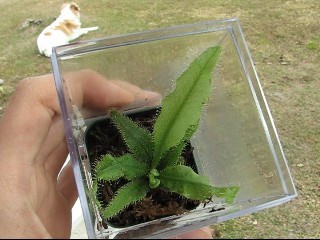
Complete Care Guide for a Lowes Drosera adelae: Acclimation, Soil, Water, and Light
Acclimation (2 Weeks) Keep in cube; punch ¼-inch holes every 3 days until lid removable. Provide bright indirect light (no direct sun). Potting Use 50/50 peat/perlite (no Miracle-Gro). Buy from carnivorous plant nurse
Dark Stiff Roots and Worms in Sarracenia: Signs of Soil Breakdown and Nursery Quality Issues
Root Color Healthy Sarracenia roots are white. Dark, stiff roots indicate anaerobic conditions from decomposed soil or excessive water depth. Worms Earthworms in pots signal broken-down media (too much organic matter).
Why Venus Flytrap Traps Stay Closed: Low Light Prevents Digestion and Reopening
Energy Deficit Digestion requires massive energy from photosynthesis. Indoor light (even south window) is insufficient. Traps close but lack energy to complete digestion and reopen. Rescue Plan Move to full sun outdoor
Mold on Dormant Sarracenia purpurea: Safe Fungicide Use and Prevention
Correct Response Removing the moldy leaf was right. Improve air circulation in the garage. Sulfur Fungicide Safety Sulfur (90%) is safe for carnivorous plants. Cover live sphagnum with foil/paper before spraying. Spray
Growing Darlingtonia in North Carolina Piedmont Heat, and Sourcing Endangered Sarracenia Legally
Darlingtonia in Hot Summers With excellent drainage, a drip irrigation system (cool water), and night cooling, Darlingtonia can reach good size in NC piedmont. Native Oregon populations experience 90°F days with cool nig
Growing Cephalotus and Intermediate Nepenthes Outdoors Year-Round in Key West (Zone 11)
Climate Suitability Key Wests frost-free, warm climate (min 50°F) is excellent for both. Nepenthes will vine beautifully on a shaded patio. Cephalotus prefers slightly cooler root run; use a large, insulated pot in dappl
Sarracenia Root Function: True Roots Absorb Nutrients and Tannins, Not Just Anchors
Root Physiology Sarracenia have true roots that absorb water, minerals, and beneficial tannins from peat. Theyre adapted to nutrient-poor bogs, so leaf absorption dominates, but roots are functional. Implication for Cul
Full-Sun Fern Companions for Sarracenia and Venus Flytrap Bog Gardens
Recommended: Cinnamon Fern Osmundastrum cinnamomeum is a native bog fern that thrives in full sun, wet acidic soil—perfect alongside Sarracenia and VFTs. Finding More Search specialty fern nurseries for wetland ferns fu
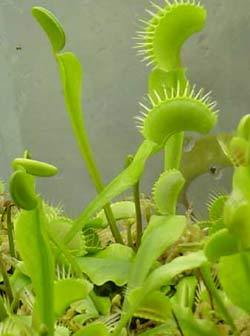
First Venus Flytrap ('Dente') Care Guide: Light, Water, Soil, and Dormancy Basics
Immediate Setup Pot in 50/50 peat/perlite (no fertilizer). Sit in ¼-½ inch distilled/rain/RO water. Place in sunny window for now (if freezing outside). Move outdoors full sun when nights stay above freezing. Key Rule
Nepenthes Basal Rot in a Shared Pot: Overcrowding, Drainage, or Disease?
Likely Causes Overcrowding: Three plants in one pot compete for root space and airflow. Waterlogging: Moist but not wet is hard to maintain in a shared pot; bottom rot suggests anaerobic conditions. Species mix: Differe
Heliamphora Frozen in Transit: Assessing Damage and Recovery Chances
Immediate Action Unpack, place in cool (50-60°F), bright location. Keep soil moist with pure water. Do not force warmth. Signs of Life vs. Death Good: Leaves remain firm, green; new growth emerges in weeks. Bad: Leaves
Early Venus Flytrap Dormancy Break: Repot Now and Keep Outside with Cold Protection
Repot Immediately Late February emergence is normal. Repotting now (before vigorous growth) is fine and wont harm plants. Location Decision Preferred: Keep outside. Cover if hard freeze (<20°F) returns. Greenhouse risk
Repotting vs. Soil Change for Cephalotus, and Why Drosera adelae Leaf Tips Die Back
Terminology Repotting usually means new pot + new soil. Changing soil implies same pot. Used interchangeably; both refresh the medium. Leaf Tip Dieback on D. adelae Older leaves naturally die back from the tips, forming
Young Grower's Venus Flytrap Setup Review: Soil Mix Correction and Winter Protection
Soil Mix Fix Replace vermiculite and desert sand with 50/50 peat/perlite or peat/washed sand. Vermiculite and reptile sand can be alkaline, harming acid-loving VFTs. Winter Care in Ohio (Zone 6) During deep freezes (<2
Early Spring Cold Frame for Carnivorous Plant Bogs in New York
A New York grower (90 miles north of NYC) plans a PVC/clear plastic cold frame over bogs in early March to jump-start growth. Concerns: sub-freezing daytime temps for a week, and humidity shock when uncovering. Cold Fra
Drosera adelae Disaster: Freeze, Fertilizer Burn, Sun Scorch, and Drought—Is It Dead?
A novice bought D. adelae from Lowes, removed the cube immediately, then mother used Miracle-Gro perlite and fertilized soil, bagged it in direct sun. By day 5: crispy, dry, in toxic soil. Asks if trimming leaves and rep
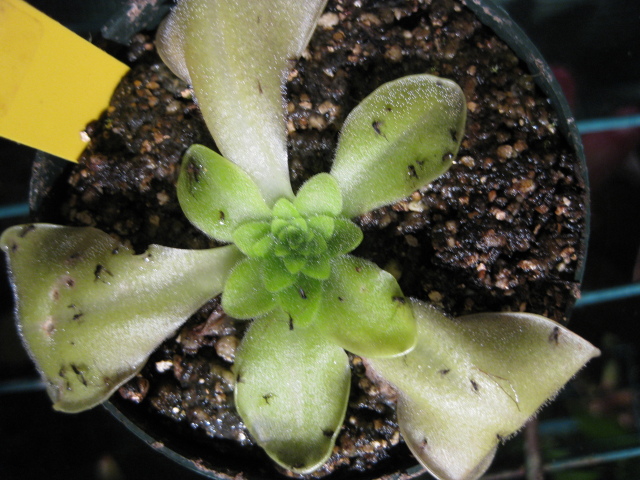
Managing Mexican Butterwort (Pinguicula) Dry Dormancy in a Cool Greenhouse
Trigger Recognition Overnight lows of 50°F (10°C) and shortening days trigger the succulent winter rosette. The plant pulls in carnivorous leaves and forms a tight, non-carnivorous center. Care During Dry Phase Reduce
Copyright © www.100flowers.win Botanic Garden All Rights Reserved