Rescuing a Sarracenia from Potting Soil: Dormancy, Water, and ID Correction
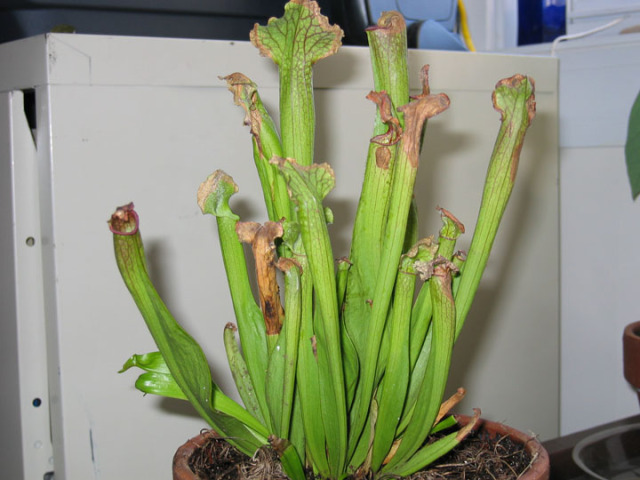
A Rhode Island grower repotted a S. minor (actually Sarracenia Judith Hindle) from standard potting soil into 3:1 peat:perlite in a terra cotta pot. Pitchers browned but new growth is greener. Questions: trim dead tips?


Window Light for Drosera capensis, Nepenthes, and Pinguicula
A grower with an 8-hour direct-sun window asked if it suits Drosera capensis, Nepenthes Deroose Alata, N. × miranda, and Pinguicula moranensis. Assessment Excellent for sundew and Nepenthes. Both thrive in bright, direc
Venus Flytrap Dying? Tap Water and Dormancy Are Likely Culprits
A new flytrap owner reported blackening leaves, traps that wouldnt close, and new growth dying back—all while using tap water and keeping the plant on a kitchen windowsill. Primary Suspect: Tap Water 50 ppm dissolved mi
Nepenthes truncata Flowering but No Pitchers: Winter, Blooming, and Patience
A New York City growers massive Nepenthes truncata (identified from photos) was flowering but producing only leaves, no pitchers, despite a south-facing window and distilled water. Why No Pitchers? Winter short days –
Venus Flytraps and Darlingtonia in a Bog Garden: Soil, Hardiness, and Color
A North Carolina (zone 7) grower planning a bog garden asked if Venus flytraps can share Darlingtonia soil mix and whether Darlingtonia color depends on sun or genetics. Soil Compatibility Yes. Flytraps grow well in Dar
Rescuing a Leggy, Pitcherless Nepenthes 'Deroose Alata': Light, Soil, and Pruning
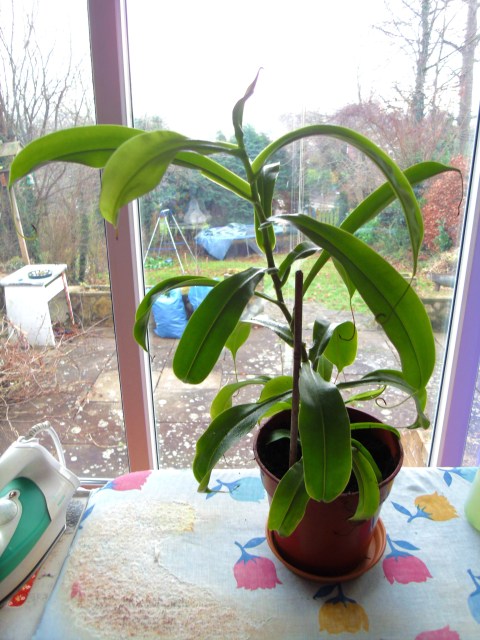
A growers Nepenthes Deroose Alata grew rapidly up a stake but produced zero pitchers. The plant was in compost, fed orchid fertilizer, and kept in low light per the nursery tag (Do not give much light). Critical Correct
Growing Sarracenia in Hydroponics: Possible but Pointless
A grower asked if Sarracenia rubra could thrive in a pure-water hydroponic system, reasoning that since the plant eats insects, it doesnt need soil nutrients. The Verdict It works experimentally—rockwool-grown Sarraceni
Orange Leaves on Nepenthes truncata: Normal Aging or Problem?
A three-month-old Nepenthes truncata showed one fully orange leaf and orange tips on two others. Conditions: bright light + 2 hours direct sun, 60W fluorescent supplement, distilled water, 20–50% humidity, soil kept mois
Venus Flytrap Soil: Why Forest Moss Fails and the Correct Mix
A new grower asked if forest moss could replace peat or sphagnum for a Venus flytrap terrarium. Never use forest moss. It harbors unknown organisms, nutrients, and pH levels that will kill flytraps. The Gold-Standard Mi
Designing a Mixed Terrarium: Cephalotus, Heliamphora, Drosera, Nepenthes, Utricularia
A hobbyist planned a terrarium with Cephalotus, Heliamphora minor × heterodoxa, Drosera capensis, Nepenthes burkei, and Utricularia longifolia. All are excellent terrarium candidates, but their differing soil needs mean
Identifying and Treating Scale on Nepenthes: Organic Options
A grower noticed small green bumps on Nepenthes leaves near an orchid with confirmed scale. The bumps lacked the typical white/pale waxy covering of mature scale, raising the question: are they early-stage scale or norma
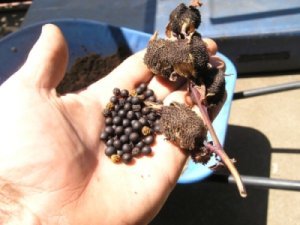
Cold Stratifying Sarracenia Seeds: Avoiding Freeze Damage and Mold
A Wisconsin grower asked whether Sarracenia purpurea ssp. purpurea and S. leucophylla seeds can freeze in outdoor pots during stratification. The short answer: avoid hard freezes. Pots lack the insulation of ground soil,
Treating Powdery Mildew on Cephalotus: Safe Fungicide Options
A newly arrived Cephalotus (Albany pitcher plant) showed significant powdery mildew. The grower treated it with a systemic fungicide containing penconazole and asked about application frequency, browning leaf tips, and g
Saving a Heat-Stressed Nepenthes alata and Sarracenia in a Conservatory
Extreme heat is the silent killer of many carnivorous plants. When a grower in New Zealand moved a new Nepenthes alata into a conservatory where temperatures hit 158°F (70°C) in sun and 115°F (46°C) in shade, the plant r
Nepenthes ventricosa Flower Care: Staking, Energy, and Pollen Storage
Congratulations on your Nepenthes ventricosa producing its first flower stalk! A blooming pitcher plant is a clear sign youre providing excellent care. Heres what you need to know about managing the inflorescence, the pl
Orange Coloration on Nepenthes truncata: Light-Induced Pigment vs. Fungal Rust Spot
Diagnostic Test Wipe the orange area with a damp paper towel. If color transfers, its likely fungal (rust/algae) – treat with sulfur/Neem. If color is integral to leaf, its anthocyanin from high light – normal and desira
Acclimating Drosera capensis from a Humidity Dome: Expected Leaf Burn and Outdoor Timing
Acclimation Protocol Cutting 3 holes every 3 days for 2 weeks is perfect. Blackening tips on old leaves is normal hardening off burn. Trim dead leaves. Critical: Keep Soil Wet Never let medium dry during transition. Ou
Expected Longevity Sarracenia, Nepenthes, D. filiformis: Decades to indefinite (clonal). D. muscipula: Many years with division. P. primuliflora: 3-5 years typical, but produces plantlets (keikis) on leaf tips for easy
Soil Mix Peat, lava rock, bark – good base. Live sphagnum on top – excellent for moisture and aesthetics. Long-fiber dried sphagnum in mix – not recommended; holds too much water. Winter Protection (Zone 7) Mulch hea
Designing a 20-Gallon Carnivorous Plant Terrarium and Growing VFTs in Kentucky (Zone 6)
Terrarium Species (Fluorescent Light Required) Small Nepenthes: N. ventricosa, N. ampullaria. Cephalotus follicularis (Australian pitcher plant). Mexican Pinguicula and Drosera adelae. No temperate species (Sarracenia,

Copyright © www.100flowers.win Botanic Garden All Rights Reserved