

Fabric Planters for Sarracenia in Ponds: Yes, With the Right Mix
Fabric planters (like Aquascape pots) work well for Sarracenia in pond margins **if you modify the soil mix**. Critical Adjustment Omit perlite – it floats. Use **pumice or coarse sand** instead for drainage and weight.

Is My Nepenthes 'Miranda' Dying? No – It's Just Blushing in the Sun
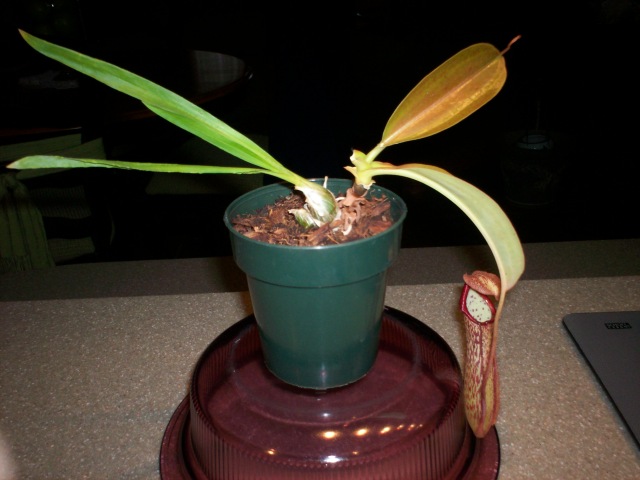
A customer worried their Nepenthes × Miranda was dying because leaves turned brown and withered while still producing pitchers. The diagnosis: **healthy sun stress coloration**, not decline. Whats Really Happening N. M
Moss on Carnivorous Plant Soil: Harmless or Harmful?
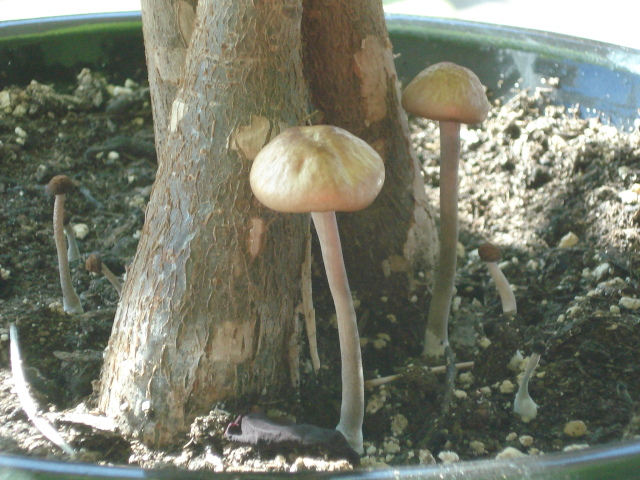
Finding non-sphagnum moss on your Nepenthes or Drosera soil is common and usually **no cause for alarm**. Its a natural colonizer of peat-based mixes. When to Act If the moss stays thin – leave it; its benign. If it fo
Winter Care for Sarracenia purpurea venosa and S. rosea: To Trim or Not?
S. purpurea venosa and S. rosea naturally shed some leaves in winter. The best approach: **selectively remove browned leaves but leave healthy ones**. If plants form dense, intertwined mats, a full cutback is fine – they
Growing Heliamphora on a Windowsill: The Double-Pot Method for Cool Roots
Heliamphora minor can thrive on a sunny windowsill in mild climates (like Hacienda Heights, CA) – but only if you protect its roots from heat. The secret: **double potting**. How Double Potting Works Place the planted
Why Sarracenia leucophylla 'Titan' Pitchers Vary in Size – And How Climate Decides It
Not all S. leucophylla Titan plants develop the massive, wide-mouthed pitchers the cultivar is famous for. The reason? Genetics vary across natural populations, and – crucially – **summer night temperatures control pitch
T5 Lighting for Tropical Sundews: Setup, Distance, and Safety
A 4-foot, 4-bulb T5 fixture (20,000 lumens, mixed 6500K/3000K) is an excellent choice for expanding a tropical sundew collection. It delivers intense, efficient light – but T5s run warmer than older T12 tubes, so careful
Can Nepenthes and Mexican Butterworts Share a Pot? Yes – Here's Why
Planting Nepenthes and Mexican Pinguicula (butterworts) together works beautifully. Both prefer well-drained, airy media and tolerate light fertilization. The Nepenthes vining habit provides dappled shade that butterwort
Waterlogged Sarracenia: Diagnosing and Recovering from Winter Rot
Finding brown, mushy rhizomes on your Sarracenia after a wet winter is a heartbreaking but common issue. Heres how to assess the damage, save what you can, and prevent recurrence. Is the Rhizome Dead? Unpot the plant an
Why Your Forked Sundew Isn't Producing Dew: The Terrarium Trap
If your Drosera binata (forked leaf sundew) has little dew despite bright light and constant moisture, the terrarium itself is likely the culprit. Terrariums are the number one killer of carnivorous plants – heres why an
Repotting Sarracenia and Nepenthes: When, Why, and How to Do It Right
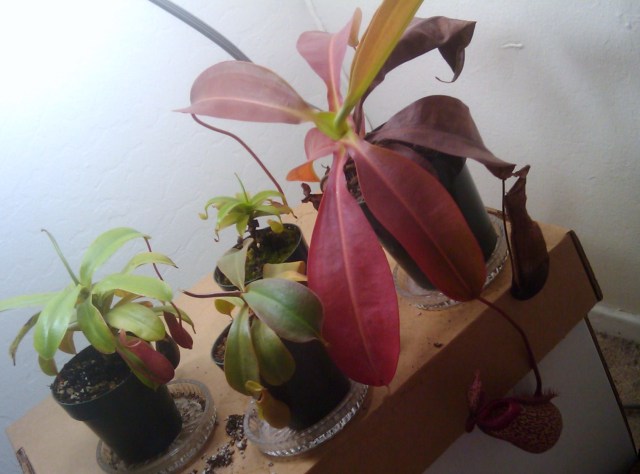
Repotting is a critical but often misunderstood aspect of carnivorous plant care. The needs of North American pitcher plants (Sarracenia) differ significantly from those of tropical pitcher plants (Nepenthes). Heres a pr
Can Cape Sundews Thrive in Coconut Fiber? Expert Advice on Safe Growing Media
Many carnivorous plant enthusiasts wonder if coconut fiber products like Eco Earth are suitable for growing Cape sundews (Drosera capensis). The short answer: its best to avoid them. Why Coconut Fiber Isnt Recommended S
Rescuing Sarracenia from Miracle-Gro Peat/Perlite: Emergency Repotting
A grower used Miracle-Gro peat/perlite (fertilized) for 2–5 years on S. flava, leucophylla, purpurea, VFTs. Heavy top-watering with RO water. Sarracenia still growing (flower spikes, pitchers), but VFTs mostly dead (10 s
Repotting Nepenthes: Minimize Root Disturbance, Rinse Gently
A grower repotted N. burkei; lower leaves yellowing, tips yellow. Offshoots healthy. Asks if orchid bark should be left on roots to avoid damage. Best Practice Soak root ball in distilled water, gently shake and work of
Dividing a Nepenthes by Splitting the Stem: High Risk of Failure
A grower bought an Asian pitcher plant in Florida, kept in bright window, misted. After 3 months no pitchers. Separated into two pieces, repotted – now leaves browning. Assessment Nepenthes propagate via vine cuttings in
Nepenthes truncata 'Queen of Hearts × King of Spades' Seedling: Light and Acclimation
A grower reserved a seedling for March shipping. Conditions: east window (3 hrs direct AM sun, bright rest of day), 48W T5 (4000 lumens), 70s°F day/60s°F night, 35% winter/45–50% summer RH. Advice Its a N. truncata – con
Sarracenia Rhizome Division: Pitcher Size Recovery Timeline
A grower asks if divided Sarracenia rhizomes produce smaller pitchers initially. Answer Usually leaves are smaller the first year, back to full size by second year. Depends on species and rhizome section size.
Outdoor Summer Nepenthes in 100°F+ Heat: Not Recommended for Sensitive Species
A grower plans to move N. copelandii and N. albomarginata outdoors under a tree in summer (100°F+ days, 20–30% RH). Also growing D. multifida. Advice Plants prefer stable conditions. Outdoors = acclimation stress, pests,
Choosing Carnivorous Plant Soil in Germany: Live Sphagnum vs. Peat Mixes
A German grower seeks substrate for VFT repotting. Options: live sphagnum, dried sphagnum (loose/pressed), nursery earth mix (peat, perlite, coconut fiber). Recommendation Top choices: nursery mix (#4) and live sphagnum
Sarracenia Pollination: Two Flowers Needed, Hybrids Possible
A grower asks if two S. flava flowers are needed for pollination. Answer Yes, two flowers required for successful pollination. Best if on different plants, but same-plant crosses work. Any Sarracenia can be cross-pollina
Copyright © www.100flowers.win Botanic Garden All Rights Reserved