


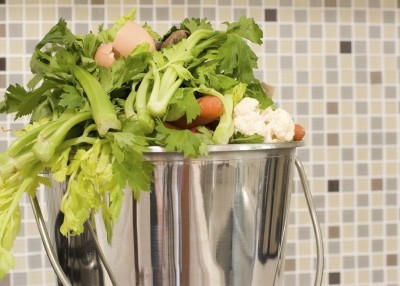
Kitchen composting transforms "garbage" into garden gold. Benefits: improved soil water retention/drainage, weed suppression, nutrient addition. Here's how to start.
Leafy greens break down fastest. Chop everything to ≤1-inch cubes for speed. Meat/dairy slowest—most sources advise against them. Proper temperature/moisture essential for tough items. Cover scraps to deter animals.
Vermicomposting: worms process debris into premium castings. Great for kitchen-scale composting.
Multiple bins/tumblers yield finer compost; ground piles produce chunkier but effective material.
Composting at Home: Turn Kitchen Scraps into Garden Gold
Composting with Hay Bales: Build a Bin That Becomes Compost Itself
Can You Compost Meat Scraps? Safe Practices & Risks Explained
Composting Cotton Gin Trash: Nutrient Value & Methods for Farmers & Gardeners
Composting with Hay: Building Bins and Testing for Herbicide Contamination
Can You Compost Meat? Risks, Benefits, and Safe Practices
Composting Cotton Gin Trash: Turning Agricultural Waste into Garden Nutrients
Compost: The Complete Guide to Buying, Evaluating, and Using Nature's Best Soil Builder
How to Revamp Your Kitchen: Layouts, Budgeting, and Smart Upgrades
How to Make Compost for Your Garden: A Beginner's Guide
Building a Composting Toilet: A Water-Saving Waste Solution
Composting Leaves: The Complete Guide to Making Leaf Mold & Leaf Compost
Composting Leaves: Create Rich Garden Soil from Fall Foliage
How to Prepare Garden Soil: Tilling, Amendments, and Seasonal Nutrition
Copyright © www.100flowers.win Botanic Garden All Rights Reserved