

Dwarf Grapefruit in Greenhouse: Leaf Yellowing and Browning
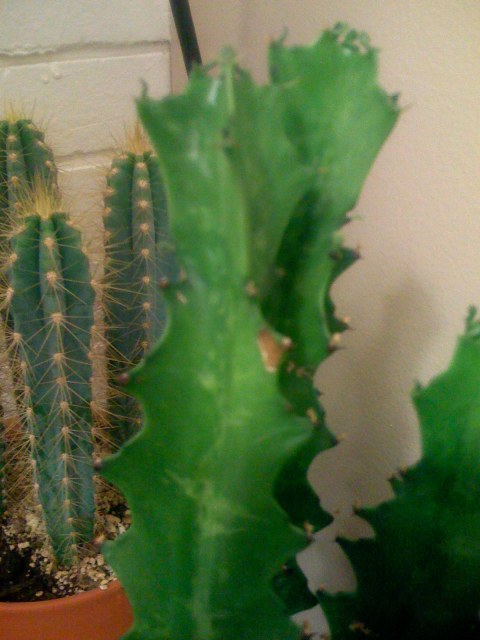
Dwarf grapefruit in greenhouse (100°F day/50°F night) in wooden box with sandy soil, horse manure, compost, black cinder sand. Watered every other day. Bloomed, has marble-sized fruit. Leaves yellow then brown. Analysis

Black Sooty Mold on Holly: Health Risk and Treatment
After trimming holly bushes covered in black mold, a gardener experienced flu-like symptoms: muscle tightness, out-of-body sensation, vomiting. Mold Exposure Reaction Yes, sooty mold spores can cause respiratory/immune
Meyer Lemon Fruit Drop: Post-Bloom Stress and Fungus
Potted Meyer lemon blooms beautifully, sets tiny green fruit that turn yellow in 2–3 days, brown in 2 more, then drop. Tree came with two large ripe lemons, so it can fruit. Fertilized with citrus food and Miracle-Gro; w
Hydrangea Brown Leaf Spots: Cercospora vs. Anthracnose
Hydrangea in western NC has recurring brown leaf spots for 4 years; blooms well. Two Main Diseases Cercospora leaf spot: Many small spots; may coalesce into large dead areas. Anthracnose: Larger spots, often target-sha
Gumbo Limbo Spiraling Whitefly: Identification and Control
The cotton candy coating on a gumbo limbo is identified as the Gumbo Limbo Spiraling Whitefly, a relatively new Florida pest. Whiteflies (Hemiptera) suck sap from leaf undersides, causing wilting, yellowing, stunting, le
White Cottony Growth on Gumbo Limbo Branch: Need Photo for ID
A 4-year-old gumbo limbo has a branch wrapped in whitish fur resembling cotton candy. Unclear if fungal or insect (spider, cocoon). Next Step Submit a clear, close-up photo for identification. Review images on computer
Petunia Pests: Caterpillars, Aphids, and Control Options
Petunias in Las Vegas show black dots on leaves, black larvae underneath, and green half-inch worms. Pest Identification Green worms: Caterpillars (likely tobacco budworm or similar). Black dots/larvae: Could be caterp
Ferns on Oak Dying Despite Rain: Chemical or Weather Injury?
Ferns on a large rural oak (near Weyerhaeuser forest) are crispy despite rain; oak leaves sparse and tiny. Possible Causes Herbicide drift from forest management (common near timberlands). Sudden cold snap after tender
Pomegranate Sudden Decline: Root Rot Suspected
A 4-year-old Wonderful pomegranate rapidly declined: green leaves with red flowers turned yellow, curled, then brown—whole tree in a month. Bark flaking at base (6 inches up), tiny white powdery spots in cracks. Branches
Bradford Pear Leaf Spots: Entomosporium, Rust, or Nutrition?
Bradford pear leaves are pale green with brown spots on both sides. No obvious insects. Three main possibilities: 1. Entomosporium Leaf Spot Common in humid spring; minor in hot summer. Manage by raking/destroying falle
Maple Tar Spot: Spore Timing and Management
A maple diagnosed with tar spot raises questions about reinfection cycles and fungicide use on fallen leaves. Key Facts Spring ascospores (sexual spores) are infectious; produced on overwintered leaves. Summer conidia
Double Althea (Rose of Sharon) Leafing Out Only on Half the Tree
An 8-year-old double pink althea failed to leaf out fully by June 1st—only tiny leaves on half the canopy, the other half bare. No visible pests or mold. Investigation Checklist Base inspection: Look for bark damage, r
Mushrooms in Orchid Pot: Fungus Gnats or Saprophytic Fungi?
Small, thin-stemmed white mushrooms with tiny caps appear in an orchid pot. The grower worries about a larger problem. Assessment and Simple Fix Mushrooms indicate decomposing organic matter in the potting medium—usuall
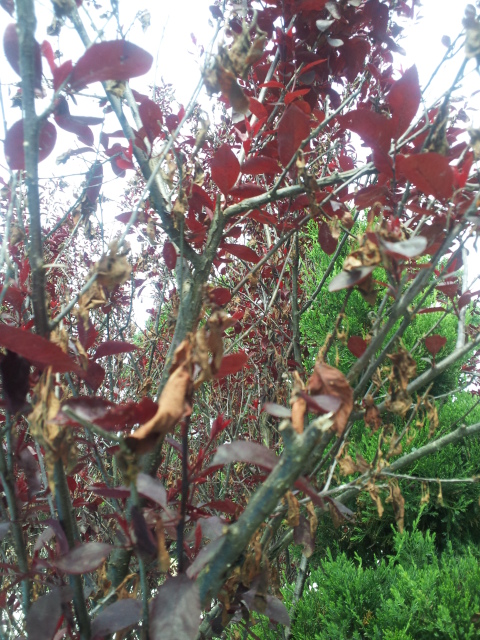
Purple Leaf Sand Cherry "Scorched" Appearance: Need Clearer Diagnosis
A purple leaf sand cherry looks scorched. The submitted photo is out of focus, preventing accurate diagnosis. Key Diagnostic Questions Are twigs dying back from the tips? Is there bark damage or cankers at the base?
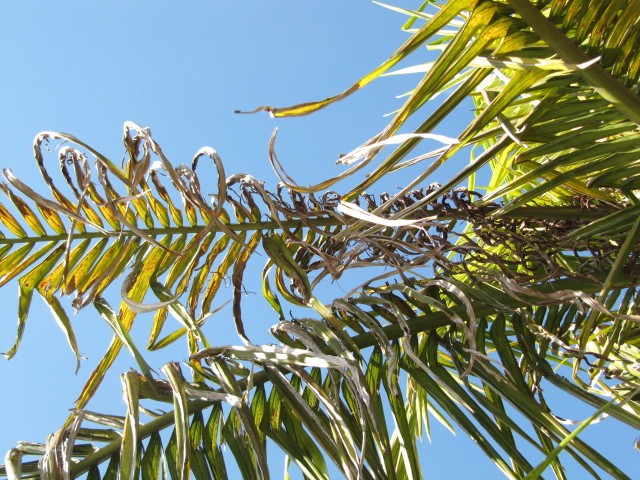
King Palm Decline: Spider Mites Ruled Out, High pH Identified
A 10-year-old King Palm in San Diego produces new fronds that frizzle within days. Initial suspect: spider mites. Test (rapping fronds over white paper) negative. Soil Test Reveals Critical Issues A soil tester showed:
Peach Tree Borers: Gummy Sap and Grubs at Base
Two peach trees have sparse leaves but set fruit. One exudes clear gummy sap at the base; probing revealed a grub-like worm. The gardener fears tree loss and spread to a new planting. Diagnosis: Peach Tree Borers The sa
Hydrangea Leaf Spots: Likely Cercospora Fungus
Hydrangea in western NC has had a recurring leaf issue for four years despite beautiful blooms. The previous experts link was broken. Common Culprit: Cercospora Leaf Spot This fungal disease appears as ¼-inch chocolate-
Lemon Plant Losing Leaves, Stem Drying: Critical Light Deficiency
A lemon plant in Lahore, Pakistan, receives only 30 minutes of indirect sunlight daily. Leaves are falling, and the upper stem is drying and turning brown. Diagnosis: Severe Light Starvation Citrus requires full sun (6–
Armillaria Root Rot in Podocarpus Hedge: Finding Resistant Replacements
Lab-confirmed Armillaria root rot (shoestring fungus) in a Podocarpus hedge (Zone 9b) requires removal and replanting with resistant species. The fungus has a broad host range, making substitution tricky. Holly Suscepti
Plumcot Fruit Oozing Clear Resin: Plum Curculio Beetle Damage
Plumcot fruit shows small holes with clear liquid that hardens into crystal-like droplets. This resin is the plants defense response to wounding—typically from insect boring. Identifying the Culprit The most common offe
Copyright © www.100flowers.win Botanic Garden All Rights Reserved